
The Department of Primary Industries (DPI) north Queensland pasture team is setting up some new demonstrations and research trials looking at the best methods of establishing new pastures in the region. After a decade of testing new grass and legume cultivars, these sites will now focus on efficient and practical ways to establish and manage these varieties on commercial properties to get the most out of them for productivity and profitability. They also provide the opportunity to explore questions around grazing land management, carbon on properties and emerging tools to measure pasture and animal performance.
Key take-home messages
- Adding legumes to grass pastures benefits livestock production by increasing the amount of high quality (protein and energy) feed in the diet, particularly during the early to mid-dry season when grasses are haying off. This can significantly reduce nitrogen supplement costs.
- There are a range of new legumes available for producers to add to the older reliable cultivars with good options for most land-types in north Queensland. New production systems, particularly the development of ‘production paddocks’ for weaners and steers, are showing considerable promise following recent DPI/MLA research.
- Under the new Queensland Pasture Resilience Program, new demonstration sites are being developed across north Queensland to test and demonstrate these new legumes and production systems. These are to be used to generate producer discussion and help with adoption, plus an updated series of extension resources.
Why legume demonstrations and why now?
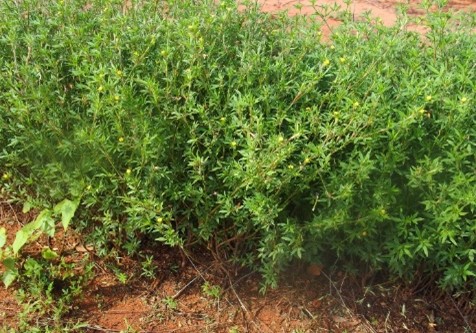
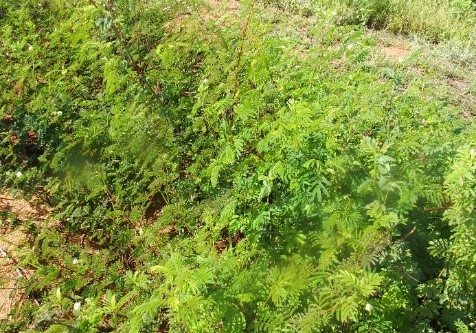
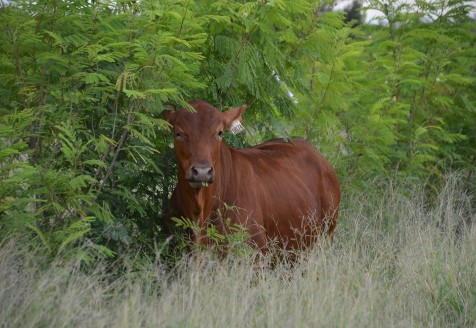
Well adapted and palatable legumes enable the introduction of atmospheric nitrogen into pasture systems to drive plant growth and provide high quality leaves (and small stems) over extended times of the year. This enables cattle to supplement their nitrogen (as protein) needs as grasses decline in feed quality over the dry season and can significantly reduce the use of expensive nitrogen supplements in the dry season. New pasture legumes and grasses developed over the last 20 years were tested along with older reliable cultivars in recent DPI/MLA trials across north Queensland. Some of the most useful legumes for areas with an extended dry season include stylos, desmanthus and leucaena (pictured below).
Scaling up of the research has seen the testing of combinations of best grasses and legumes to suit ‘production paddocks’ for weaners and steers with excellent results: pasture yields 2-4 times those of native pastures in good condition. A new DPI/MLA program, the North Queensland Pasture Resilience Project, was recently developed to further test and promote legume pasture systems in north Queensland. This is the first year of the project and there is a key focus on developing demonstrations to assist producers with pasture planning and adoption.
Three types of legumes well adapted to seasonally dry conditions:
Where is the research?
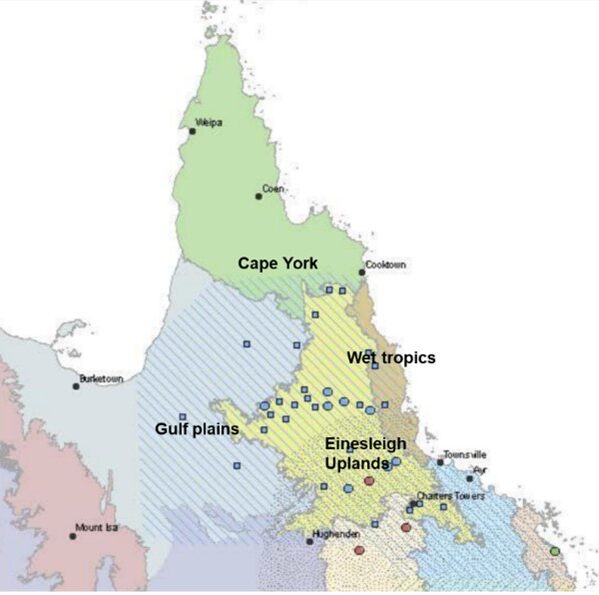
Most of the demonstrations are focussed on the seasonally dry zone of north Queensland, including Gulf River, Burdekin and Herbert catchments. The properties where the work is being done include weaner and feeder steer operations in areas of natural woodland and treeless plains, plus some historically cleared areas on soils of moderate to high fertility. Soil types include red and black basalt soils, alluvials, red earths and duplex (‘Goldfields’) soils.
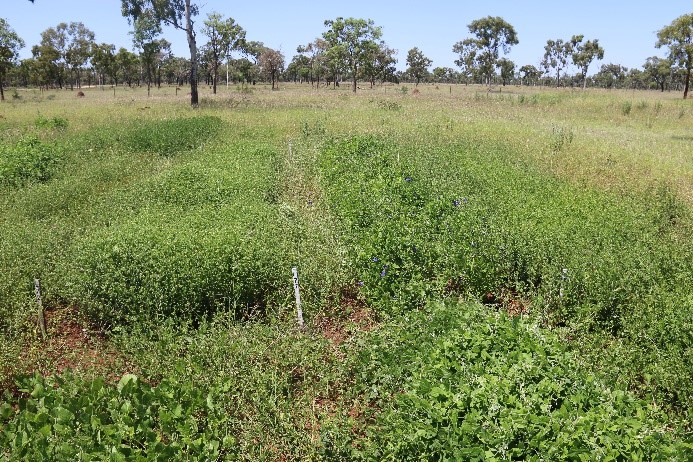
How are the trials set up?
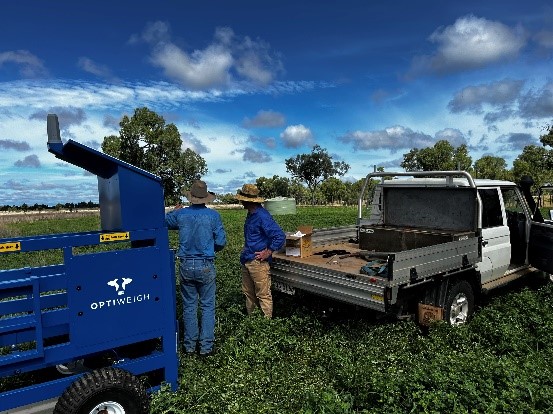
The demonstrations are co-designed with beef producers and usually focus on a research question or demonstrating a proof of concept around establishing or managing legume pastures. The team aims for a practical focus where uptake is more financially realistic or has lower risk. There is also an advisory committee of producers, extension specialists, pasture researchers and seed industry representatives to help with design and extension. The sites are developed and maintained by the DPI team, host producers and contractors. Field data are mostly collected by the DPI team, although producers or collaborating DPI staff help with weighing cattle at some of the larger sites. Ag-tech is used where possible to reduce workloads (Optiweigh™) or ensure animal welfare (cameras on waters).
Trials focussed on plant adaptation and pasture production
These are on-property trials using the promising cultivars of grasses and legumes identified in the earlier small-plot studies and developed in previous DPI/MLA projects. The grasses and legumes were sown as combinations and managed as they might be for dry-season weaner paddocks. Fertiliser phosphorous and/or sulphur were applied during establishment only to top-up nutrient levels based on soil tests. The plots were grazed during the dry season with an occasional light wet-season graze to maintain good grass/legume balance.
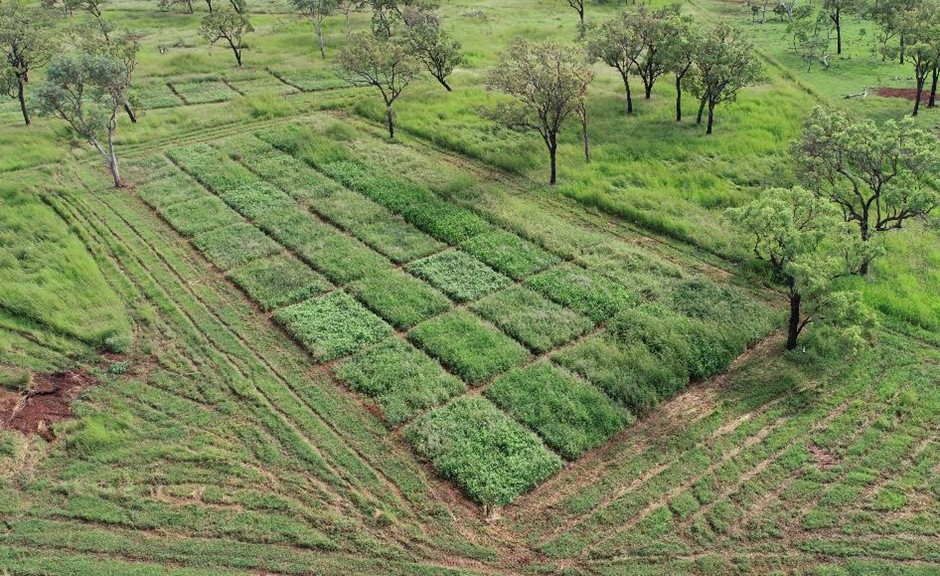
There are up to 64 combinations of grasses and legumes at each site and each combination is repeated three times. The plots have been good for confirming which grasses and legumes are adapted to different soil types and identifying the more competitive grasses and legumes and which combine better than others. The better combinations produced 2-4 times the amount of pasture of undeveloped native pastures in good condition with good yields of high-quality legume leaf in the dry season. There are three of these trials in north Queensland and one in central Queensland which have been continued under the current project (Table 1).
Table 1. Trials to test combinations of grasses and legumes
| Closest town | Soil type | What sown | Configuration |
|---|---|---|---|
| Mt Surprise | Red basalt | 8 grasses x 8 legumes | One x one plots |
| Georgetown | Sandy duplex (‘Goldfields’) | 7 grasses x 9 legumes | Legumes mixed |
| Charters Towers (DAF Spyglass Research Facility) | Red earth | 7 grasses x 9 legumes | One x one plots |
| Moura | Brown clay | 9 grasses x 9 legumes | Legumes mixed |
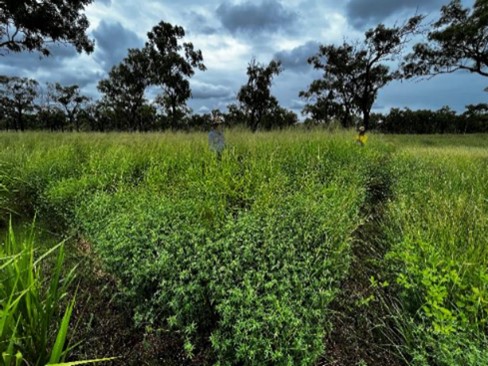
Photos of the Mt Surprise site:
Paddock-scale research demonstrations
These include four large-scale trials, some still under development, to test and demonstrate ways to establish legumes or manage in dedicated paddocks for raising weaners or steers (‘production paddocks’). Each aims to address a different research question raised by producers living in different regions (Table 2). These are replicated trials with a dedicated effort to collect animal and pasture production data to try to understand the effect certain methods on the grazing system and to look at the economics of putting them into practice. We measure pasture composition and yields, animal liveweight gain and diet quality to get a picture of how the whole pasture system works. Baseline carbon is also being measured at one site to understand how the adoption of deep-rooted legumes like stylos could influence soil carbon levels over time. These trials are up to ~120 ha in total size and require the development of considerable infrastructure including replicated paddocks and temporary yards and careful selection and allocation of cattle to different treatment paddocks. All involve considerable involvement and dedication by the land owners and the sown pastures team.
Table 2. Paddock-scale research demonstrations to test legume pasture management
| Closest town | Soil type | What is being tested? |
|---|---|---|
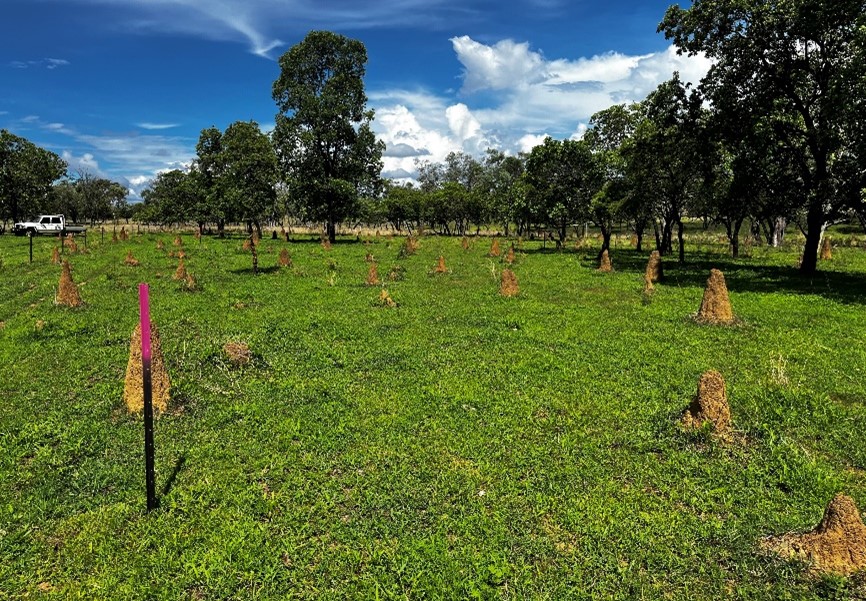
| Mt Surprise | Red basalt | Methods to establish stylo in dense Indian couch and grader grass dominated woodlands and comparing productivity compared to unimproved native pastures. |
| Charters Towers (DAF Spyglass Research Facility) | Alluvial | The productivity and costs of strip-sown systems to introduce legumes into vigorous grass pastures. Three legumes (leucaena, desmanthus mix or stylo mix) or grasses. |
| Mt Garnet | Red earth | Methods to achieve a good balance between leucaena rows and the inter-row pasture while targeting animal productivity and reducing costs associated with managing leucaena. |
| Georgetown | Sandy duplex (‘Goldfields’) | The fertilising of existing paddocks of stylos on infertile soils and managing grazing for a good legume/grass balance. |
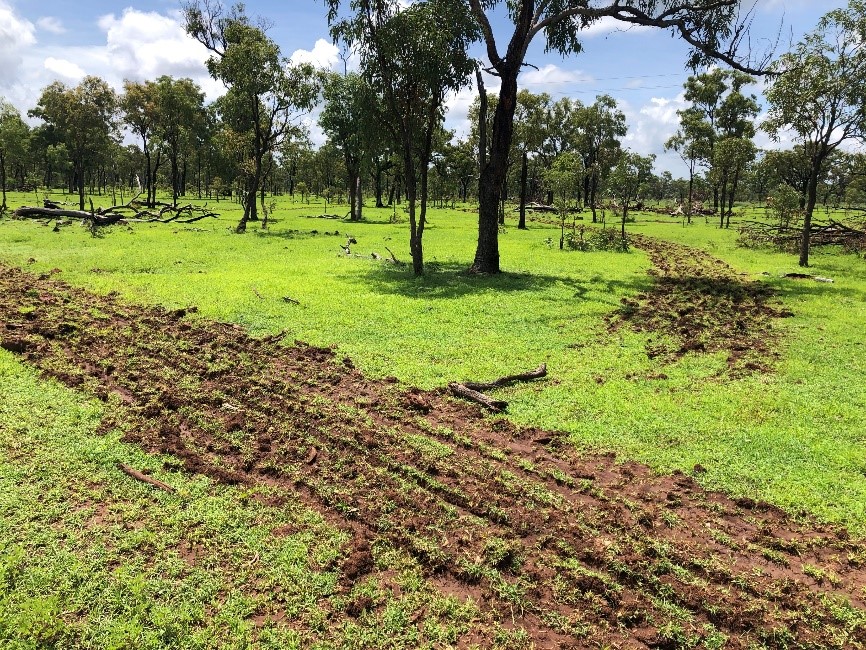
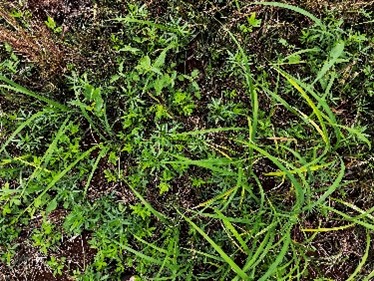
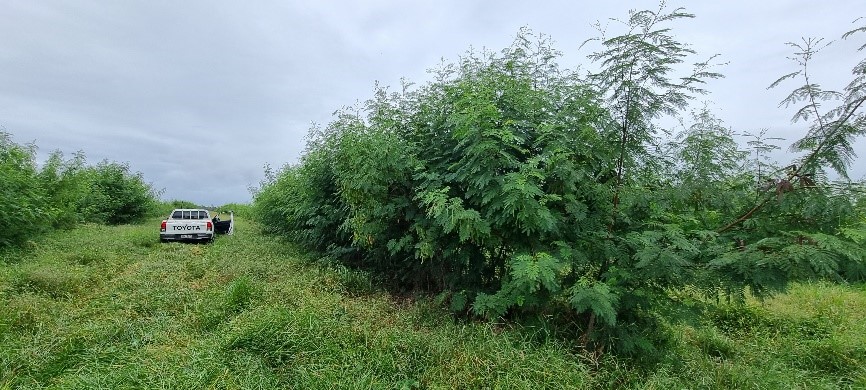
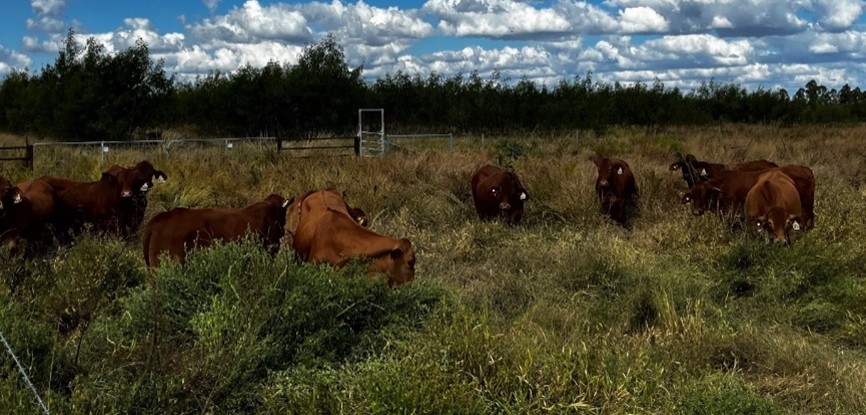
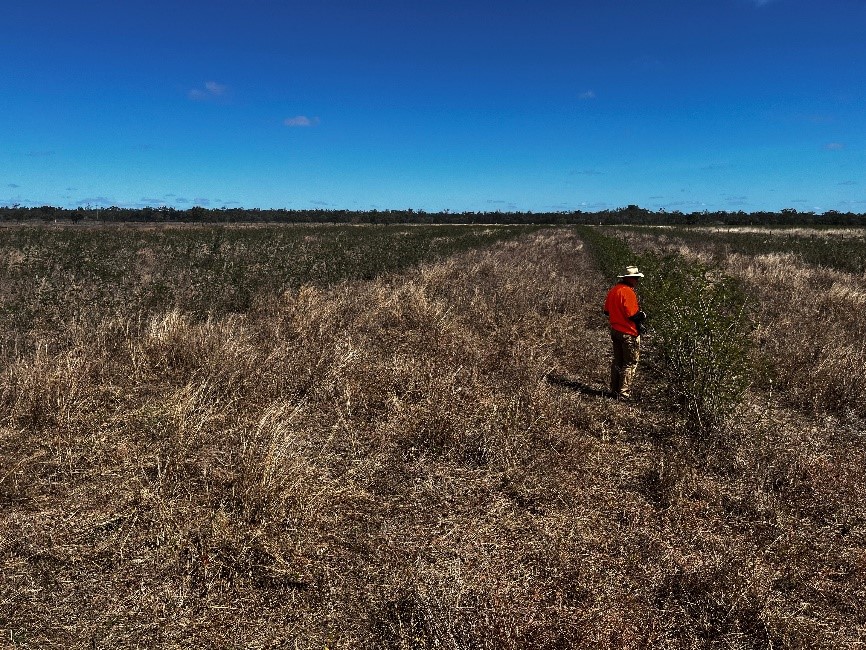
Photos of each site are included below:
Practical ‘what if’ and ‘how to’ demonstrations
These are under development and include relatively simple demonstrations on properties to tackle a particular problem or demonstrate a new practice to share with other producers through small group days. Some are small plot trials testing a range of options, while others are at paddock scale to collect some new information or test and demonstrate ag tech. Some of these test the historical boundaries of legume adoption and often involve testing particular legumes in new environments to provide options for producers. This recognises that successful establishment and long-term productivity of legume pastures requires choosing the right legume for the land-type and grazing system being used. Simple field data are measured based around what the demonstration was trying to achieve for discussion at small-group producer days and summarising as case studies. These might include animal LWG, success of establishment or changes to pasture composition or quality depending on the research question being considered. These are an important part of the work as the sites act as a point to get people together providing the opportunity to ask questions and discuss options in a relaxed setting. The team is aiming to develop more of these over the next few years as the opportunity arises.
Table 3. On-property demonstrations for problem solving and discussion
| Closest town | Soil type | What is being look at? |
|---|---|---|
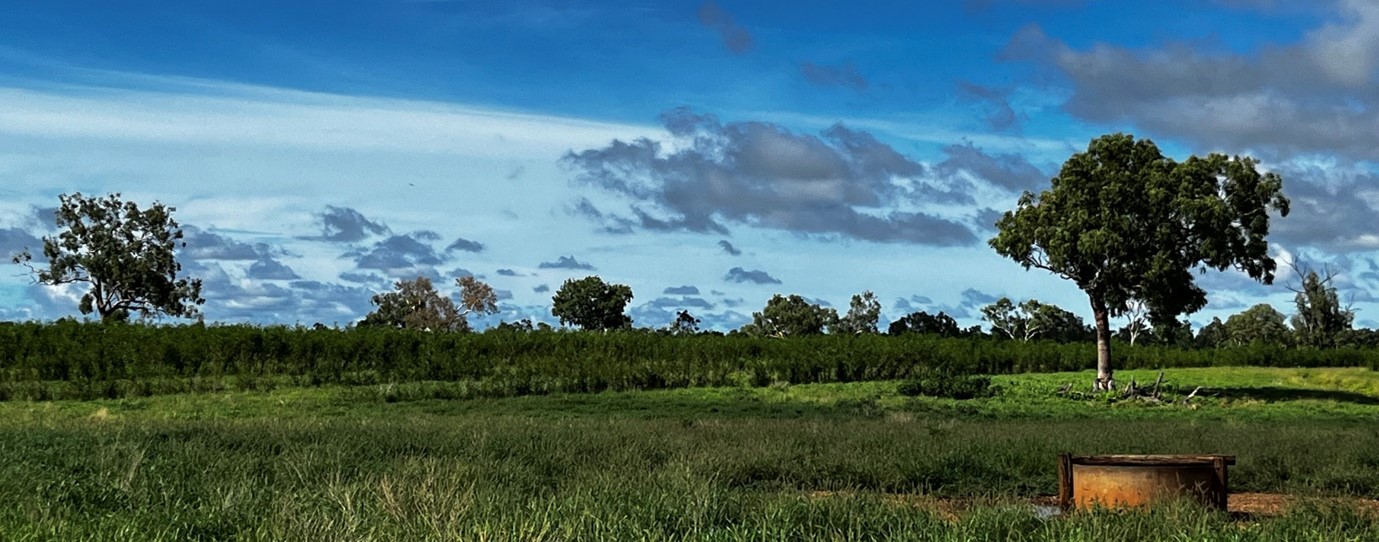
| Georgetown | Alluvial | Animal performance of leucaena on alluvial soils using Optiweigh™ to compare LWG with native grass pastures. Paddock scale. |
| Charters Towers | Black basalt | Establishment of Desmanthus and Caatinga stylo on black clay soils using cultivated strips or broadcast. Paddock scale. |
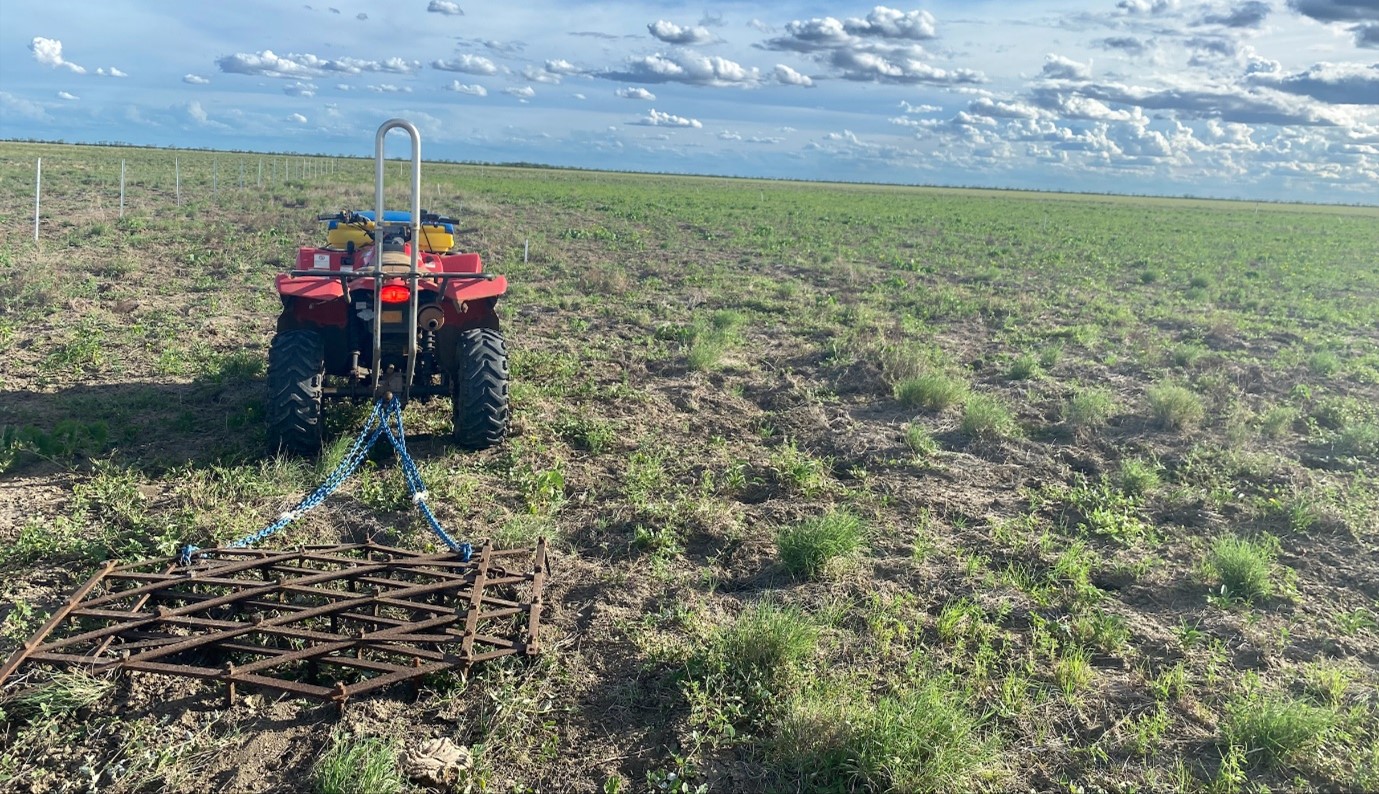
| Richmond Julia Creek | Cracking clays | Methods to assist pasture recovery on black clay soils after the 2019 floods, including monitoring of recovery at paddock scale and testing options in small plots to encourage plant growth on badly affected soils. |
| Chillagoe | Clay-loam | Grass and legume options for production paddocks on black clay soils used for cropping. Small plot study of grass x legume combinations. |
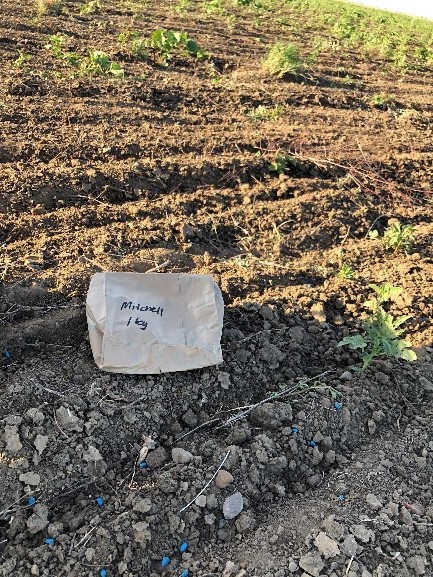
Some photos of the Georgetown and Richmond are included below:
Interested in finding out more?
All of this work is made possible through the North Queensland Pasture Resilience Project, which is a partnership between the Department of Agriculture and Fisheries, Meat & Livestock Australia and the Australian Government through the MLA Donor Company. A strong focus of the project is to encourage the adoption and use of legume pastures in north Queensland. The DPI project team includes research and extension officers based in Mareeba and Charters Towers who regularly travel across north Queensland to work at the various sites and for small producer group days and larger field days. If you would like to know more or get involved in the program, please contact one or more of the following team members:
| Research | Extension |
|---|---|
| Kendrick Cox Mareeba 0348 138 262 kendrick.cox@dpi.qld.gov.au | Karl McKellar Charters Towers 0418 189 920 karl.mcKellar@dpi.qld.gov.au |
| Craig Lemin Mareeba 0467 804 870 craig.lemin@dpi.qld.gov.au | Bernie English Mareeba 0427 146 063 bernie.english@dpi.qld.gov.au |
