
Stylos are the big adjustable wrench in the northern pastures toolkit – tough, flexible, long-lasting and proven. Countless demonstrations and economic analyses over 30+ years show how the adoption of shrubby (Seca, Siran) and Caribbean (Amiga, Verano) stylos, and more recently Caatinga (Primar, Unica), stylos can increase cattle growth and carrying capacity on native and sown pastures by improving dry season diet quality and pasture productivity overall. The stylos are ‘low maintenance’ and will persist and remain productive on a range of soil types provided they are not overgrazed. However, producers have observed stylo plants with strange brush-like shoots emerging from branches and sometimes dead plants. Are these things connected and should I be worried? In this article, we revisit 20 year old research conducted in north Queensland designed to come to terms with ‘little leaf’ syndrome.
Key take-home messages
- Stylo little leaf is a disease caused by a range of bacterium-like organisms called phytoplasmas which are injected into plants by a common leaf hopper when feeding on sap.
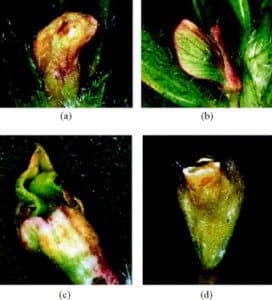
- Symptoms include a proliferation of small leaves or branches (‘witches broom’ effect) or the transition of flowers into leaf-like structures (dubbed ‘reversion’). Parts of, or occasionally whole, plants can die and seed production can be substantially reduced.
- Concern about stylo little leaf building in stylo seed crops over a number of years prompted a field study in north Queensland in the late 1990s and early 2000s. Field trials and genetic testing found shrubby stylo is the worst affected, but most stylos can be affected to some degree. Also, the ‘reversion’ condition was associated with only two phytoplasmas.
- Despite very high rates of infection being detected, and infection increasing as plants grown together age, very few plants succumb to the disease.
- Spell grazing and encouraging a seeding event through wet season spelling every 3-5 years should ensure there are plenty of healthy stylo plants in your pasture. Special management is needed in seed crops.
So, what is little leaf?
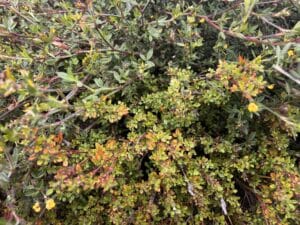
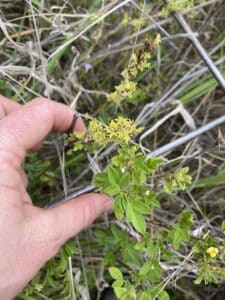
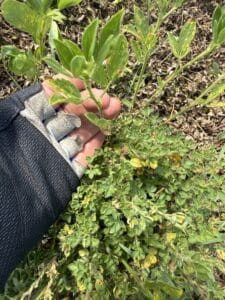
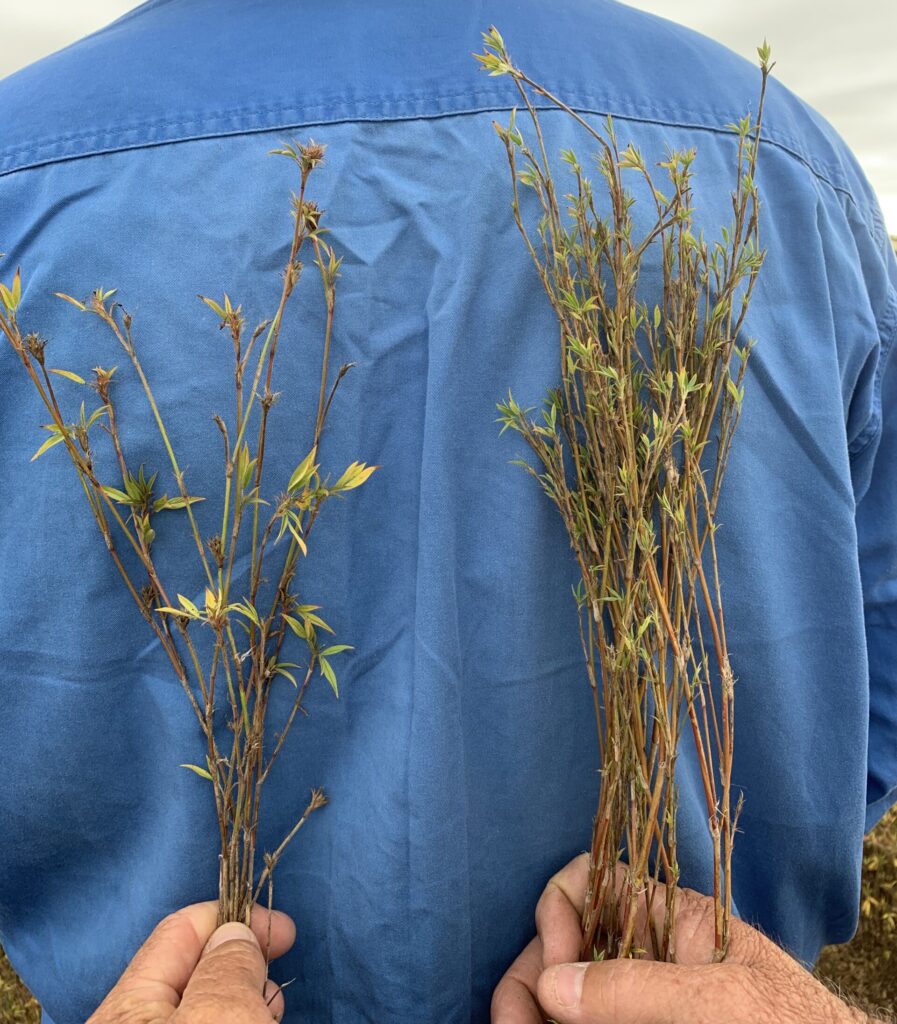
Have you ever noticed the occasional stylo plant with ‘witches broom’ branches coming off one or two main branches? The leaves are also typically smaller than normal (no surprises there given the name) and bunched together. Chances are you have seen it in shrubby stylo sometime over the growing season when the plant is beyond the seedling stage and often flowering. Examples are shown below. That is likely ‘little leaf’ and the term is used to cover a range of similar plant distortions. You may also have noticed similar symptoms in a range of other broadleaved plants: this includes other legumes like the atros or phasey bean or other plant families including plants found in pasture such as bluetop. In some cases the small branches and leaves is associated with a yellowing and the plant, or at least the affected part of the plant, looks sick.
The damage doesn’t stop there. Little leaf is also associated with a condition called ‘phyllody’ whereby flowers change form and become leaf-like (even turning green!) and sterile. This obviously reduces seed production and therefore reduces the amount of seed that can be added to soil for the recruitment of new stylo plants over time. Not ideal.
What causes little leaf?
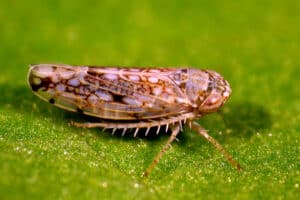
As is common in plants, the thing that causes the problem is a very small, simple organism which gets transmitted by an insect. In this case it is a phytoplasma, which can be thought of as a bacterium without walls. It is injected into the plant by leafhoppers, also known as jassids, a group of insects which (mostly, some are carnivores) suck the sap out of living plants using specialised mouthparts. While feeding, the leafhopper can pick up some more phytoplasma which spreads from the gut and moves through the leafhopper (including its brain!) and finds its way into the salivary glands enabling injection into another plant. Leafhoppers are highly mobile so can spread the phytoplasma readily to other plants.
There are a range of phytoplasma/leafhopper diseases affecting agricultural crops including tomato ‘big bud’ and sweet potato little leaf and it so happens stylos are also affected. In stylos, the phytoplasma is commonly moved around by the brown leafhopper (Orosius argentatus also Orosius orientalis). It is one of the most common leaf hoppers in Australia and, unlike as the name suggests, it can be green or brown depending on what it is feeding on. This leafhopper is also associated with little leaf in other pasture pea family legumes such as lucerne so it is no surprise it can feed on stylos too.
Trouble with seed crops
Although little leaf had been seen on occasional stylo plants within pastures, genuine concern began when stylo (principally Seca and Siran shrubby stylos) seed crops grown in north Queensland began to show large amounts of little leaf symptoms in the mid- to late 1990s. At the time, it was common practice to manage the seed crops as multi-year crops, with plants regrowing each wet season after harvest in the dry season: each crop included surviving plants plus new recruits as seedlings and crops could last for 3-4 years managed in this way. John Rains, a champion of stylo seed production and owner of Southedge Seeds, teamed up with Dr John (Hoppo) Hopkinson of the DPI at Walkamin to investigate. They were particularly concerned about ‘reversion’ whereby flowers were changing into warped leaf-like structures. They also noticed the little leaf and reversion symptoms was worse in ratooned crops and appeared to build up over growing seasons to the point where seed yields were being badly affected – bad news as there were hundreds of tons of stylo being produced at the time and some promising new ones, Primar and Unica Caatinga stylos, had only recently been released. Although strategies were discussed to manage this problem through changing cropping cycles, there was a clear gap in knowledge. What to do? Hire a PhD student, of course!
The stylo little leaf and reversion study
The study was done by Stephanie De La Rue at the DPI Southedge Research Station (since sold) within the north Queensland commercial stylo seed production area and only a few kilometres from commercial stylo seed crops. The core team included Stephanie with supervision from Drs John Hopkinson (Queensland DPI) and Karen Gibb (Northern Territory University), plus some dedicated field staff ready to toil in the heat. The aim was to identify which kinds of phytoplasma caused the different symptoms (little leaf, ‘witches broom’ branching or the ‘reversion’ of flowers into the small leaf like structures which couldn’t produce seed (example photos from the study below). This involved field sampling of plants with symptoms and using polymerase chain reaction (PCR) to identify different strains. A new phytoplasma (vigna little leaf) was found to join previously known phytoplasmas (sweet potato little leaf, tomato big bud, pigeon pea little leaf and stylosanthes little leaf). It was difficult to associate a particular phytoplasma type with specific little leaf symptoms, but two (pigeon pea and a sweet potation little leaf variant) were associated with different types of ‘reversion’.
Next, Stephanie aimed to determine the susceptibility of the different species of stylos (Caatinga, Caribbean, common and shrubby) to stylo little leaf, testing a range of cultivars for each (along with some experimental lines) – very useful if different seed crops need to be treated differently or some cultivars are poorer options. This was done in 1999 and it was found all stylos except Verano Caribbean and Unica Caatinga stylos were affected and the shrubby stylos were the most damaged. This susceptibility of shrubby stylos tallies with our experience as researchers and extension officers looking at seed crops and pastures in north Queensland.
Finally, a field trial was conducted using 2,500 spaced Seca shrubby stylo plants grown over two seasons (1999 and 2000) to ‘map’ the spread of disease over time and measure the effects on seed production. The work involved long, somewhat tedious hours in the dense and sticky field trials with no way of knowing if your legs were near a snake! Stylo little leaf was found in 15% of plants in the first year with phytoplasmas climbing to 40% in year 2. Despite the large amount of infection, the impact on plant death was minimal (1-4% of infected plants)! The studies also found that infected plants did not seem to overly infect neighbouring plants (presumably because transmitting leafhoppers were flying between plants). The other key finding was that seed yields were only affected if the plants were infected early in the crop cycle and it was concluded that Stylosanthes little leaf was not going to be the dearth nell for seed production.
So, what does that all mean for me and the stylos on my property?
In short, rest easy. Little leaf or reversion in stylos is common, particularly in shrubby stylos, and can cause the death of parts of plants or a few whole plants and reduce seed production. However, stylos can regenerate very well from the ample seed they produce, so plant populations should be fine provided you are grazing your stylos with rest and allowing for seeding every few years through a wet season spell. As for seed production, grow as annual crops and try to clean headlands prior to sowing crops to reduce the risk of leafhoppers infecting the seed crop early in its production cycle.
Further reading
For those keen to follow up with a good research paper, some of the key results are presented in the Field Crops Research article Phytoplasma host range and symptom expression in the pasture legume Stylosanthes.
Written by Kendrick Cox from Mareeba and DPI, as part of the Queensland Pasture Resilience Program which is a partnership between the Department of Primary Industries, Meat & Livestock Australia and the Australian Government through the MLA Donor Company.
