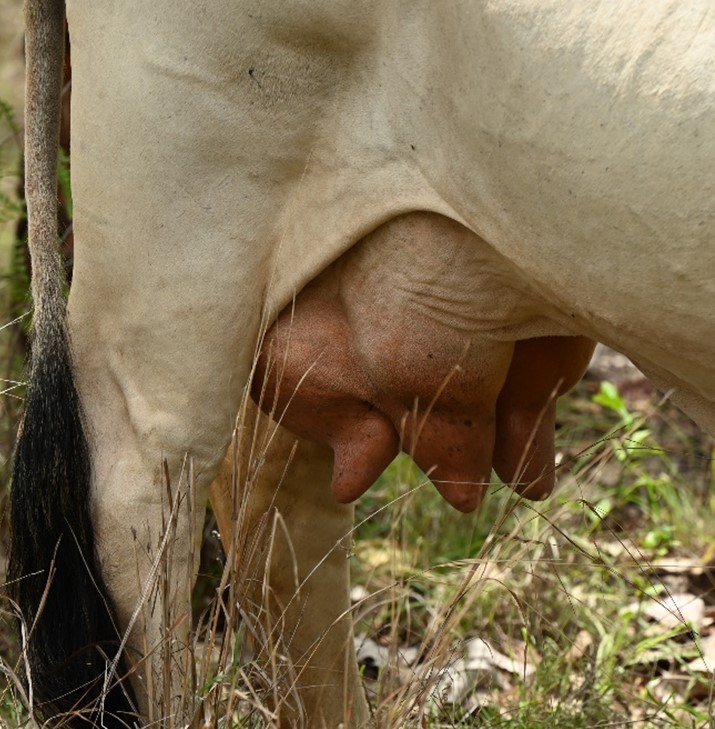
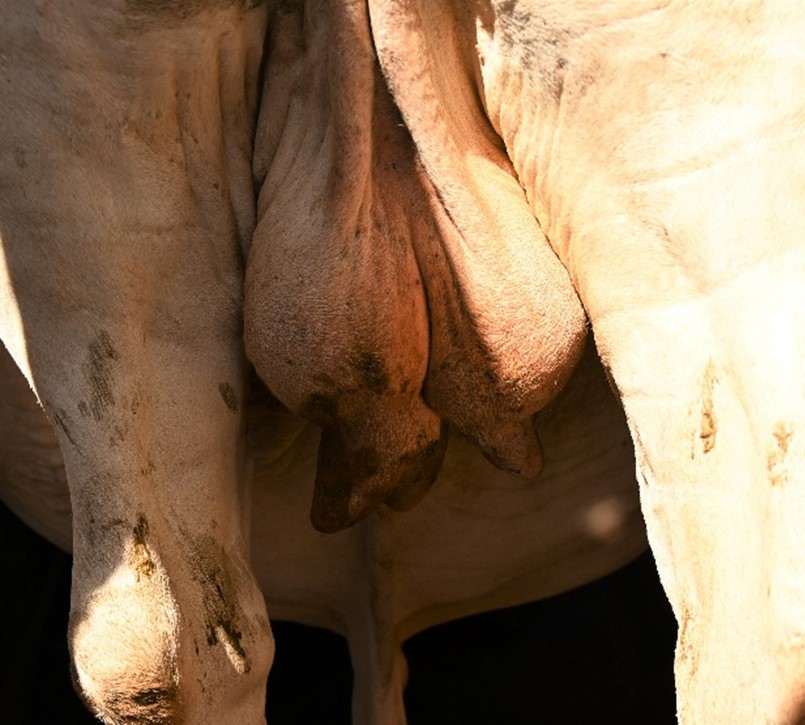
After identifying bottle teats as a significant potential cause of calf loss in the CalfWatch project, the Northern Territory Livestock Industries team photographed some cows shortly after calving with varying degrees of bottle teats, and then took follow up pictures at weaning. Some of these “before and after” photos are shown below.
An observation reported in Bottle teats causing calf loss: An update from CalfWatch was that a noteable number of cows that had bottle teats at calving, had somewhat normal looking udders 3-6 weeks later once the milk supply had been sucked down by the growing calf or the cow had ceased lactation after losing a calf.
If this is consistent with many commercial northern breeder herds where it is impractical to monitor cows during the postpartum period, there is a high chance cows with bottle teats are not being identified to be culled at the next weaning muster. Should the cow with bottle teats have failed to rear a calf but has since reconceived, then some management systems may allow her to remain in the breeding herd and continue to regularly lose calves. In contrast, if the cow has bottle teats but the calf survives, she will likely pass on her udder and teat conformation to her offspring, as it is moderately heritable (udder attachment = 0.2 to 0.3; teat size = 0.5).
This theory suggests herd productivity could be improved by culling harder on breeder teat and udder structure and considering teat and udder structure when selecting replacement heifers.
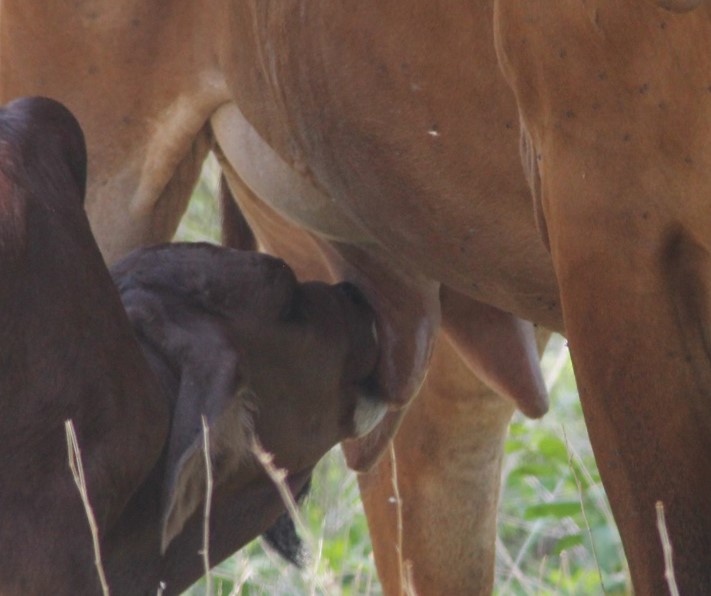 | 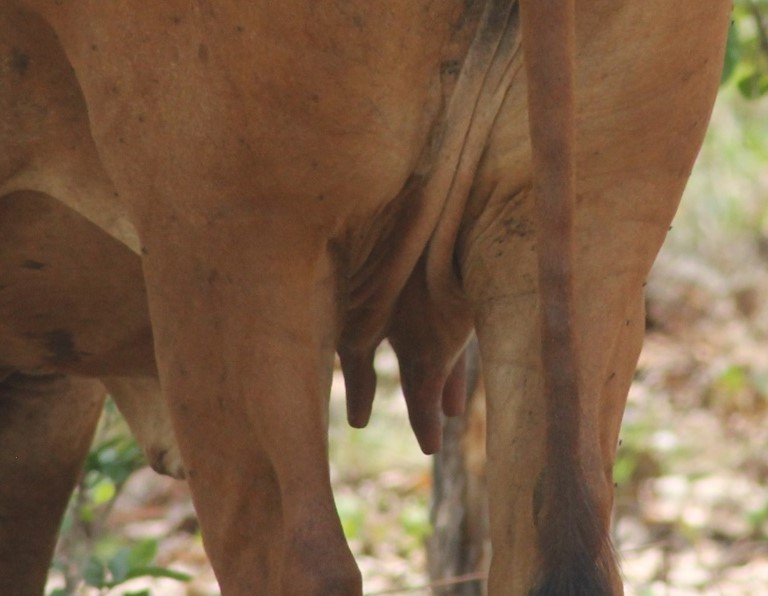 |
| Cow 22011: 19 November 2021 | Cow 22011: 9 December 2021 (wet) |
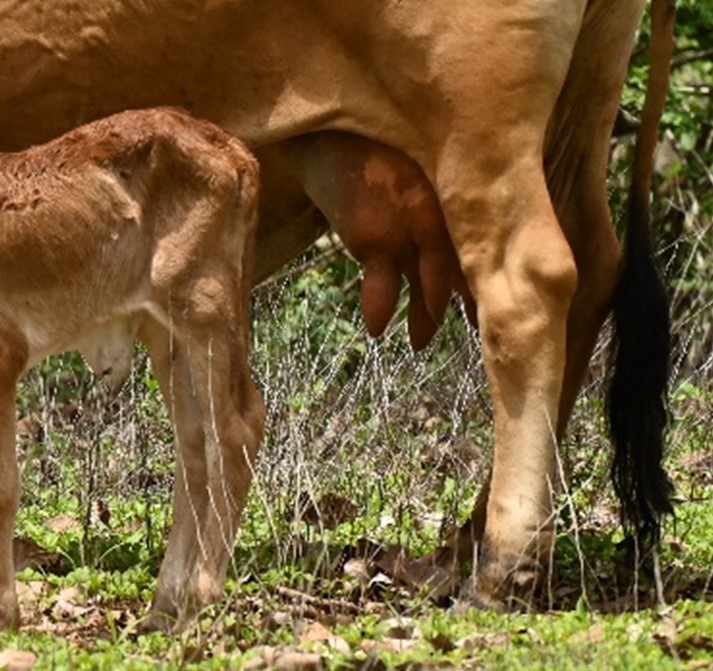 | 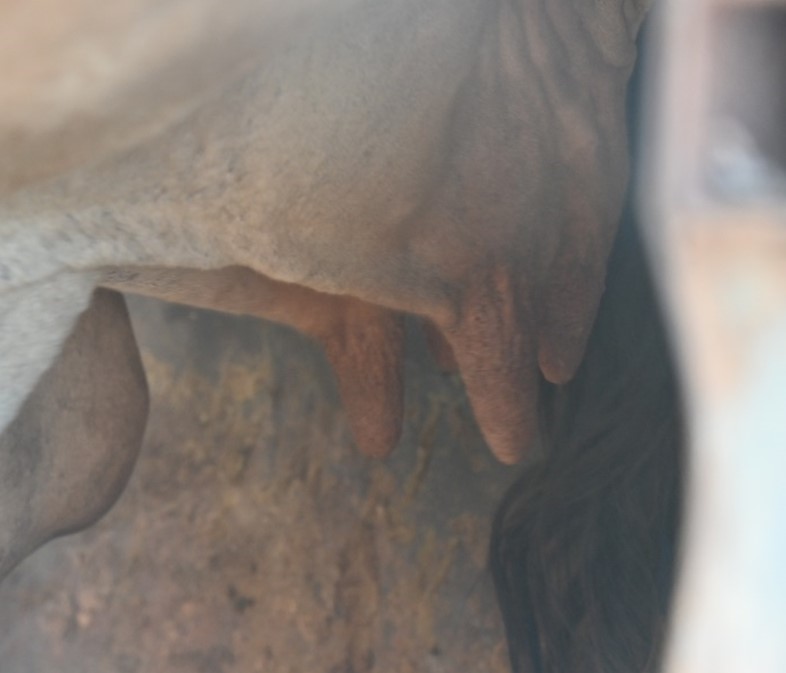 |
| Cow 4083: 20 December 2022 | Cow 4083: 2 May 2023 (dry, pregnant) |
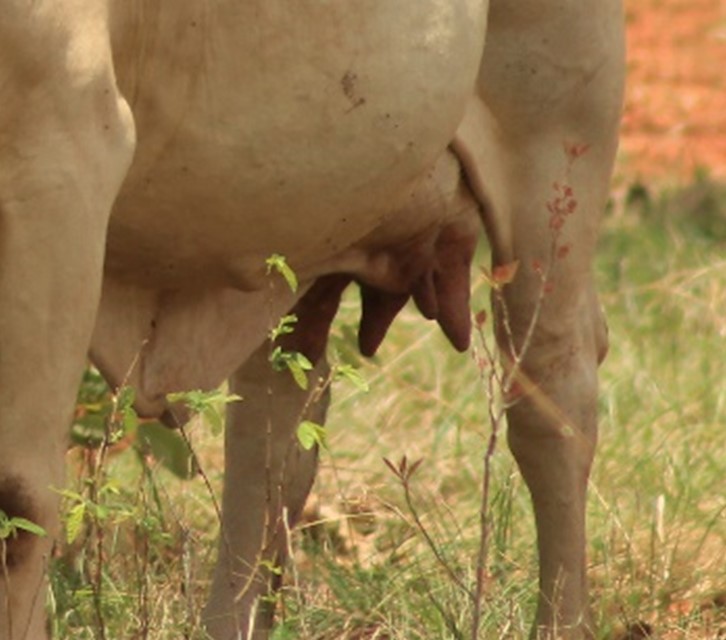 | 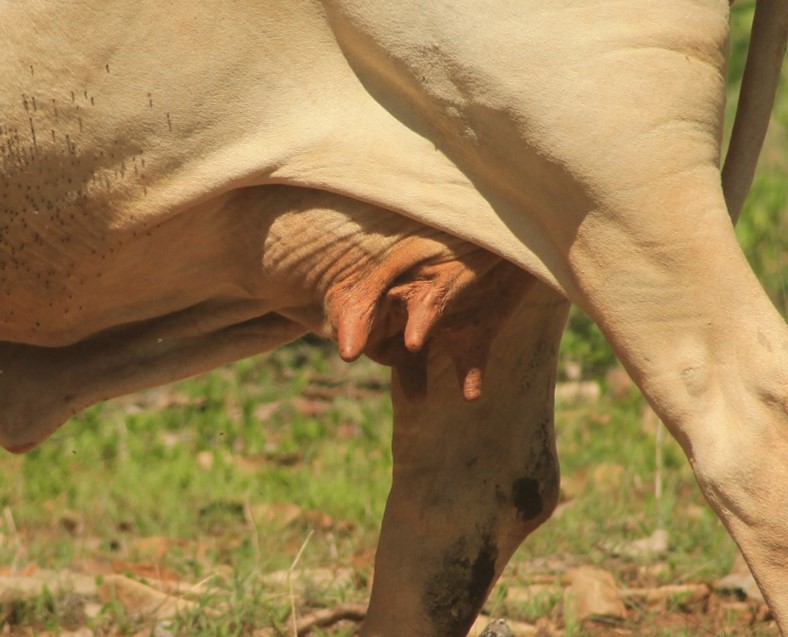 |
| Cow 4121: 25 November 2022 | Cow 4121: 2 December 2022 |
| 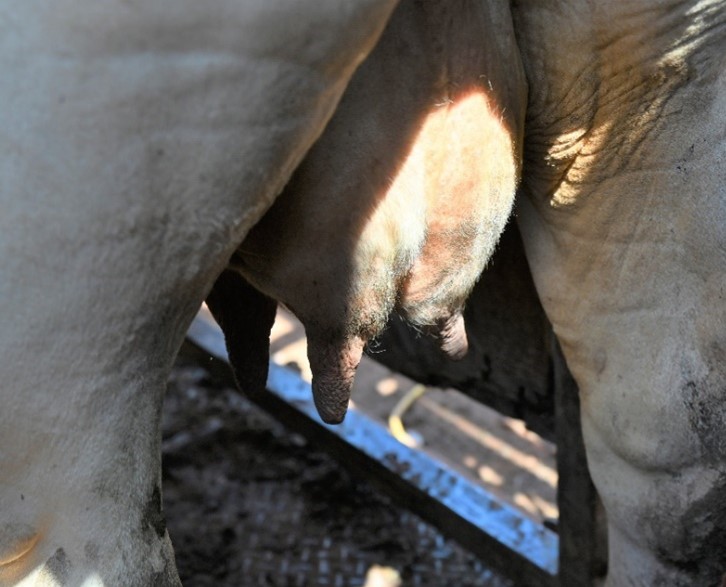 |
| Cow 4121: 2 May 2023 (wet, pregnant) |
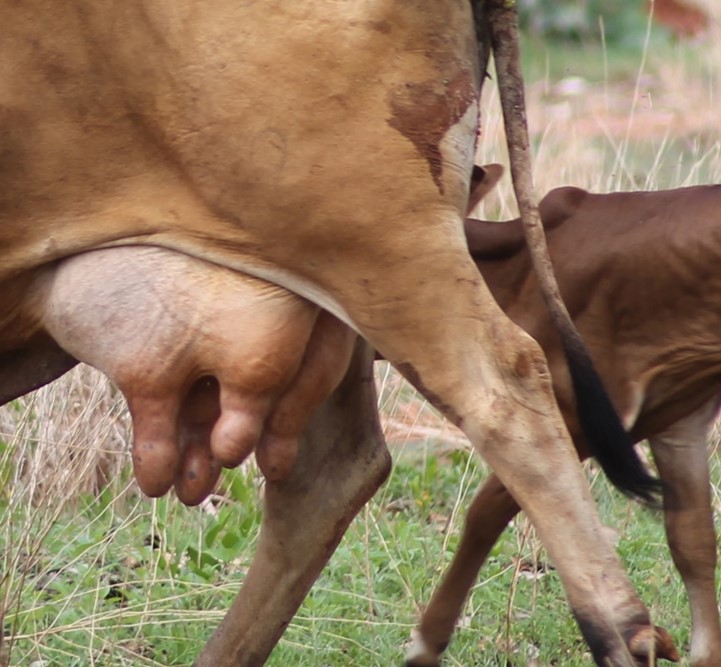 | 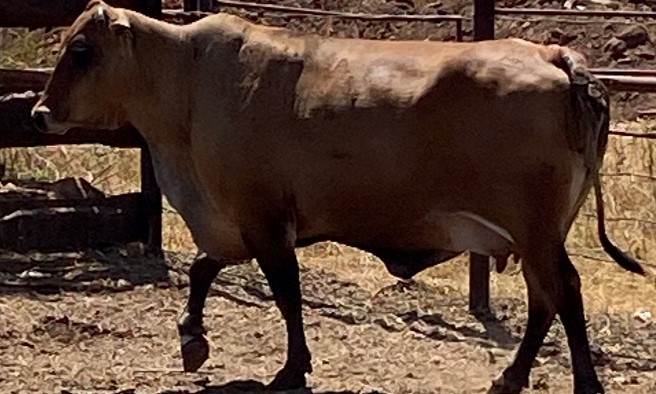 |
| Cow 9057: 22 November 2021 | Cow 9057: 26 April 2022 (dry, pregnant) |
| 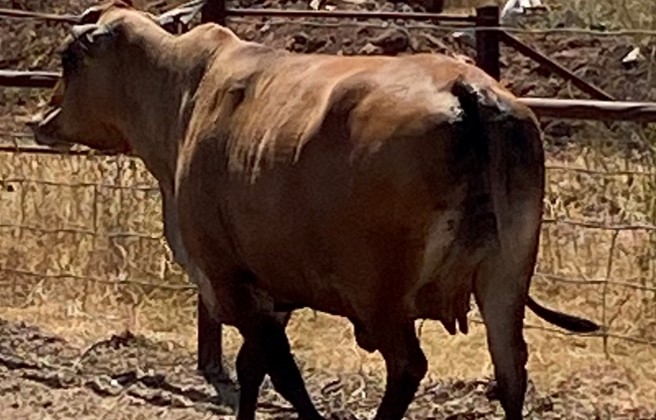 |
| Cow 9057: 26 April 2022, (dry, pregnant) |
 |  |
| Cow 40688: 20 December 2022 | Cow 40688: 2 May 2023 (dry, empty) |
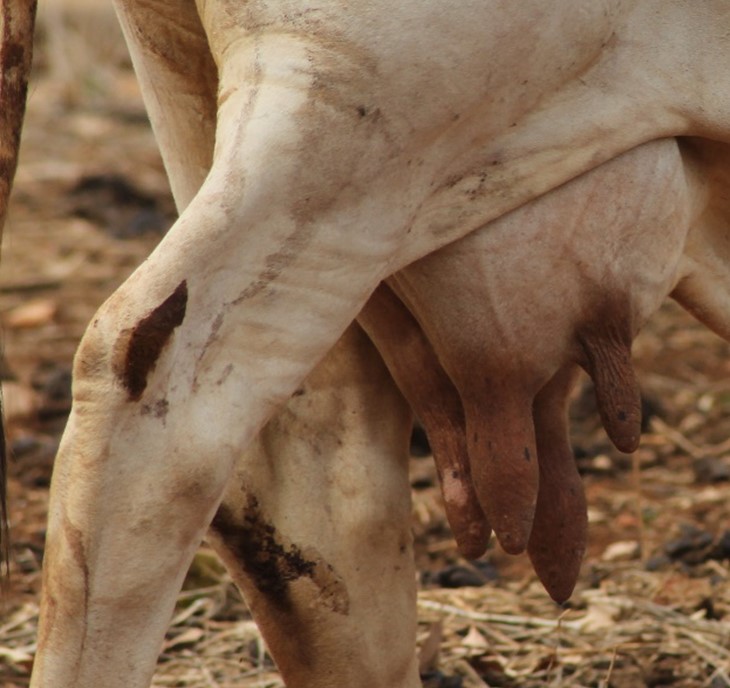 | 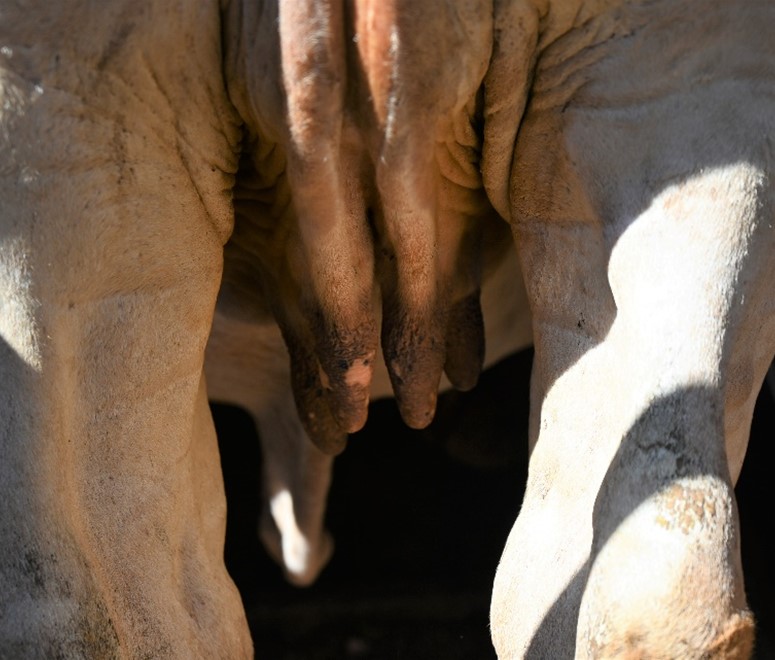 |
| Cow 41160: 4 November 2022 | Cow 41160: 2 May 2023 (dry, empty) |
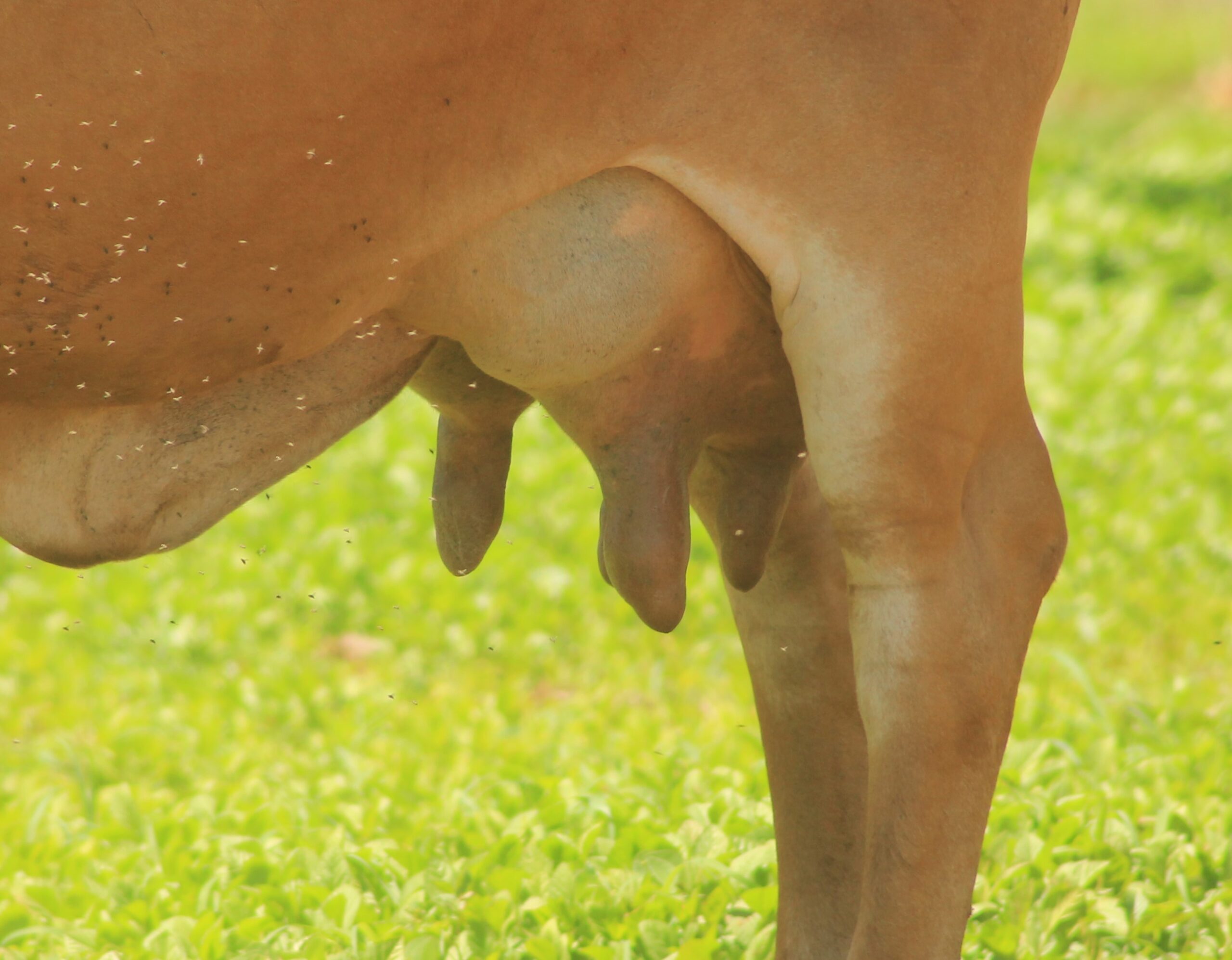 | 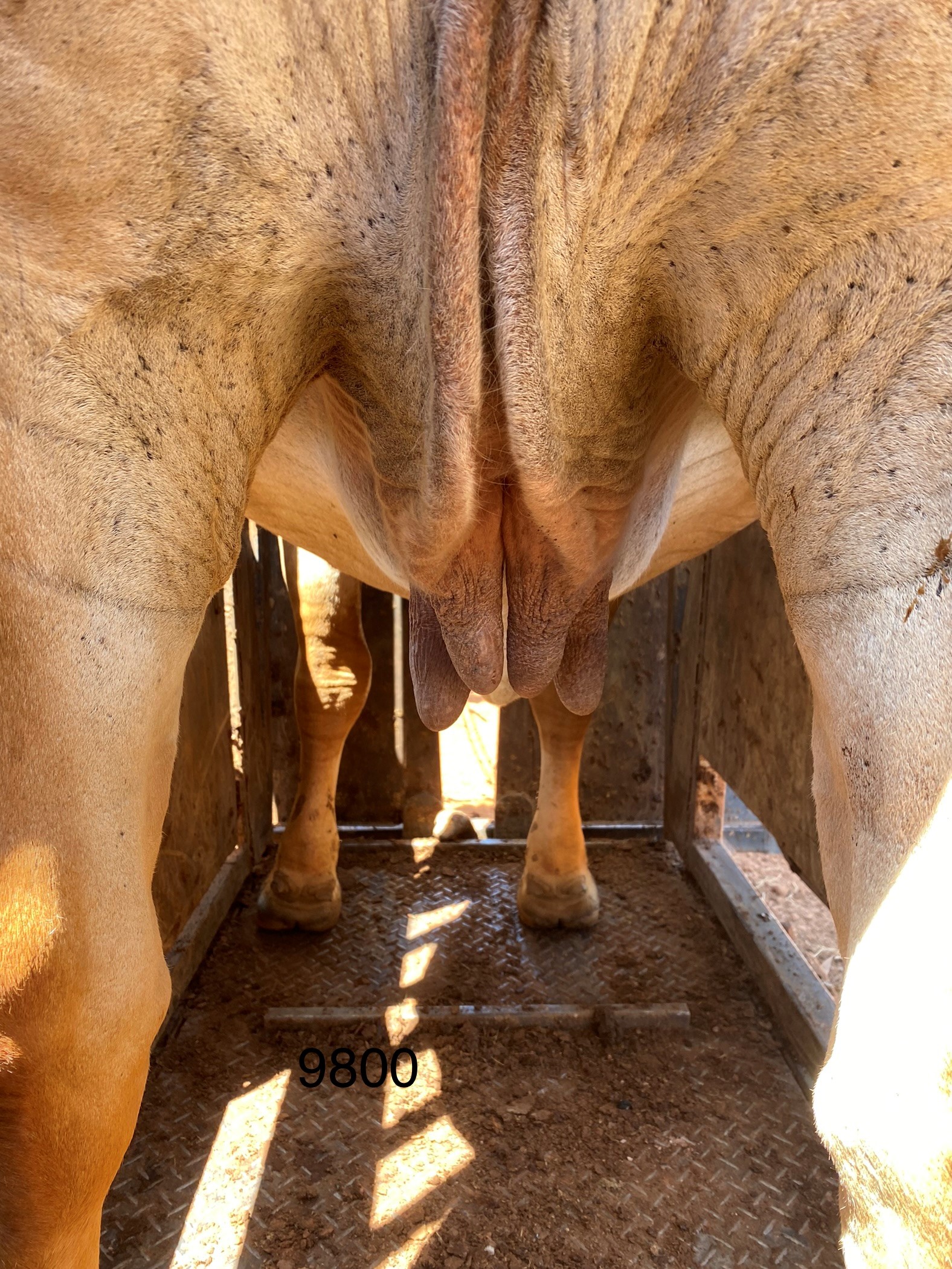 |
| Cow 9800: 2 December 2022 | Cow 9800: 29 August 2023 (dry, pregnant) |
More information
Bottle teats causing calf loss: An update from CalfWatch →
CalfWatch — Developing a system to remotely monitor calving and study calf loss in extensive situations in Northern Australia →
Calf survival checklist →
Heritabilities of Teat Traits and Their Relationships with Milk Yield, Somatic Cell Count, and Percent Two-Minute Milk (Journal of Dairy Science) →

