
During the 2023/24 summer we saw the spread of pasture dieback across new areas of Queensland and New South Wales. As the summer growing season reached its peak in humidity and pasture growth, pasture dieback and pasture mealybugs were confirmed from Charleville in the West, to south of the border and up into new areas of far northern Queensland. Once conditions cooled and pasture growth slowed, the populations of mealy bugs began to decline. This is part of their life cycle – adult females head underground or below organic matter to prepare for winter. The effects of mealybugs aren’t always fully evident until spring when grasses should be responding to early rainfall.
What can you expect to see this spring and what might this mean for pasture development opportunities?
There are likely to be one of two scenarios in pasture dieback affected paddocks at the moment; one is where the grass is not responding to recent rain (i.e. has died out) and broadleaf weeds are growing, and the other is where the grass is alive but is showing early symptoms of dieback (i.e. leaf discolouration).
Grass is dead
Winter can be when some of the worst affected plants reach the point of death as cold and dry conditions reduce the capacity of the plant to recover from attack. Areas of grass that were badly affected by dieback in summer may now be looking completely dead and collapsing with winter active broadleaved plants and legumes colonising the space. In early winter, dead plants are usually grey in colour, whilst dormant plants can be more straw/hay coloured. The stems of a completely dead grass plant will fall over onto the ground, the roots will die and plants will easily detach at ground level if pulled or kicked with your boot. Plants that are still standing erect and somewhat flexible with attached roots may still be dormant and could recover this spring.
Grass is showing early symptoms of dieback
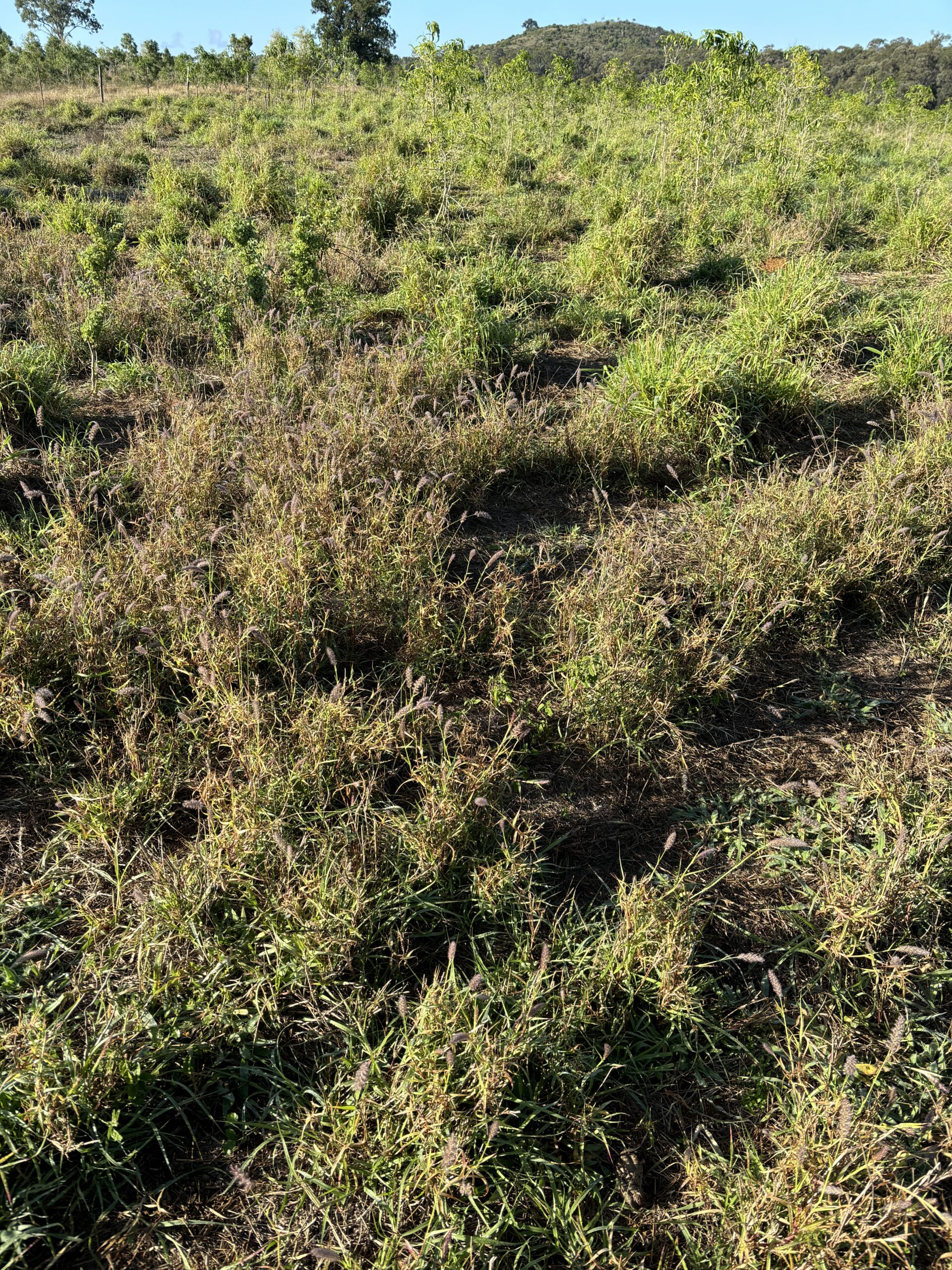
Areas of grass that were growing healthy and well in summer, might now be showing early symptoms of pasture dieback after recent warm and wet conditions. In some areas of Queensland that received unseasonal rain and hot weather in July and August, pasture mealybug numbers and dieback symptoms are increasing. Early signs of pasture dieback in patches of grass include stress symptoms like leaf discolouration (reddening, yellowing or purpling), unthrifty growth and premature seeding. It is important to note that patches like this may not die. If insects that prey on pasture mealybugs arrive in high enough numbers, grasses can recover from these early symptoms. However, it is uncertain what will happen over the coming season at this early stage. Multiple observations of these patches over the season are needed to determine if the pasture will recover or not. If early signs of pasture dieback are being seen now, the opportunity exists to implement pasture development with legumes and tolerant grasses.
Spring opportunities
If you have large areas of grass that have died due to pasture dieback through winter, then there are opportunities for pasture development in spring. Some grass species recover and re-establish very well from the soil seed bank. Areas of dead grass plants act like stubble of a grain crop during fallow – any early season rainfall is captured and retained until planting. If desirable grasses (and legumes) are germinating, make sure to spell the area so they can establish. If weeds or undesirable grasses are growing, applying herbicide might be good idea. One of the more susceptible species to pasture dieback, Bisset creeping bluegrass is a prolific seed producer and can re-establish quickly from its own seed bank.
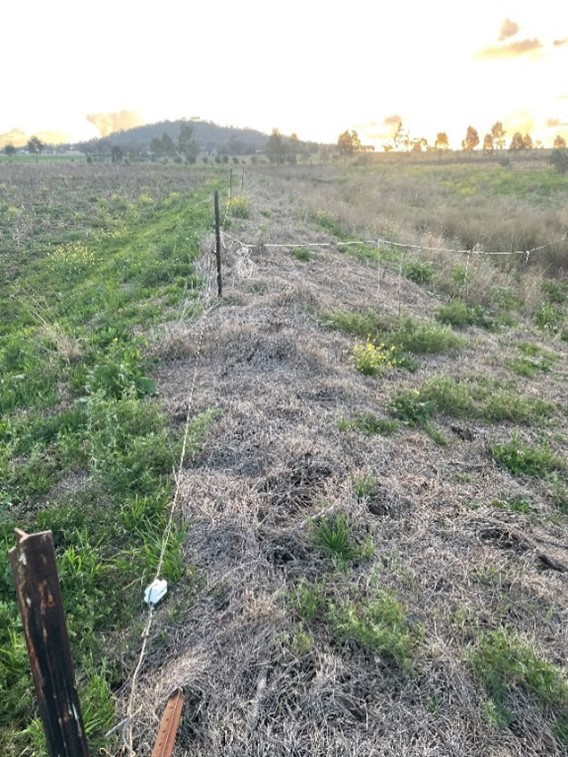
Other more susceptible species such as Kikuyu don’t seed readily and can struggle to recover without intervention.
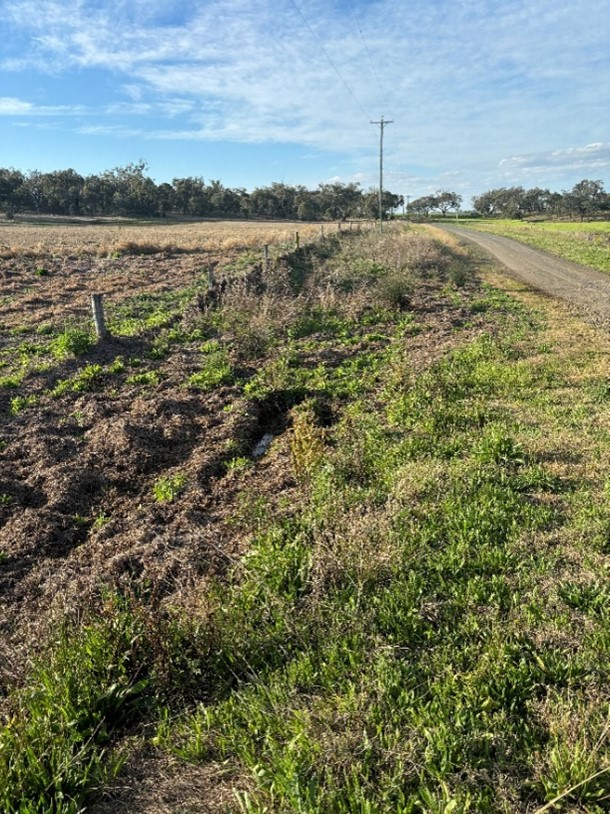
An opportunity that can come from the fallow caused by dead grass is to renovate, replace or augment your grass pastures with less susceptible grass species and legumes. Legumes and broad leaved plants aren’t affected by dieback. Depending on your location and soil type, there could be several perennial legume varieties to choose from. Your soil type will dictate whether cultivation will be needed, or not, to develop a seed-bed to plant legume seeds. There are also several grass species that are more tolerant to dieback, these can be sown as part of a mix.
Areas of grass that are showing early signs of pasture dieback can also be renovated or replanted to legumes and more tolerant grasses. Early signs of dieback don’t always progress to plant death, but sometimes they do! Given the early season break some areas have experienced, there is still time to kill the surviving grass (with chemical or cultivation) and start a fallow to establish a new pasture.
It is well worth checking your grass pastures at this time of year to assesses how they have fared over winter and early spring and determine if renovation or replacement is required. If you have areas of grass pasture that aren’t recovering as they should in spring, it is advisable to act quickly to avoid losing an entire growing season of production or missing an opportunity to improve your pastures.
In summary, check the condition and early growth of your pastures and get on the front foot in the new season. Many regions have had late winter rainfall and an early warm burst which is an ideal start to spring for grasses.
If you would like independent advice on the condition of your pastures and methods for the successful establishment of legumes or grasses contact the Queensland Pasture Resilience Program team in your area.
| Southern Queensland | Central Queensland | Northern Queensland |
|---|---|---|
| Ted Callanan | Kylie Hopkins | Katie Hay |
| ted.callanan@dpi.qld.gov.au | kylie.hopkins@dpi.qld.gov.au | kaitlyn.hay@dpi.qld.gov.au |
| 0439 627 497 | 0467 726 349 | 0436 836 623 |
For more information on pasture dieback including identification and management, visit the pasture dieback page on the FutureBeef website.
Pasture dieback work is continuing under the Queensland Pasture Resilience Program which is a partnership between the Department of Agriculture and Fisheries, Meat & Livestock Australia and the Australian Government through the MLA Donor Company. The five-year program aims to help Queensland producers tackle the three big threats to beef production: land condition decline, pasture rundown and pasture dieback.
