
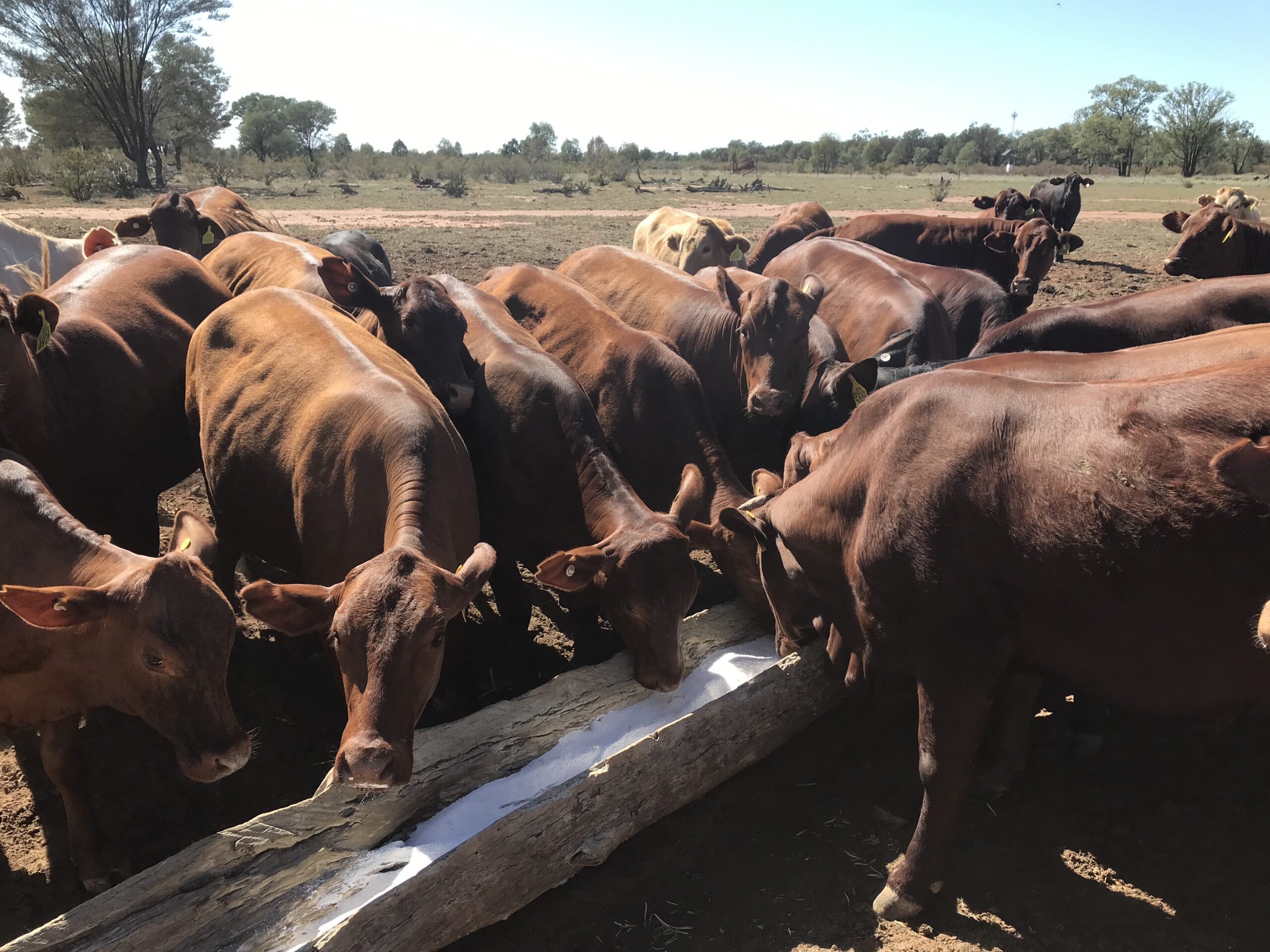
 Analysis of dung samples can be used to indicate the nutritional status of a herd using faecal Near Infrared Reflectance Spectroscopy (NIRS). Results from this testing can be used to make decisions such as the timing of weaning and prioritisation of supplementation. However, there are some key things to consider when collecting samples, to ensure you get accurate results.
Below is the dung sampling collection protocol used on Brian Pastures Research Facility.
Gear needed
- gloves
- clean spoon
- sandwich size zip lock bags
- permanent marker
- baseline field data sheets
- aluminium foil trays to dry samples in
Sampling Procedure for Faecal NIRS — Brian Pastures
- Ensure you have the baseline field data sheets, gloves, sample bags (sandwich size zip lock bags), a clean spoon, and permanent marker before you head out to collect samples
- When in the paddock, assess the cattle and pasture condition, recording details on the baseline field data sheet (this will be submitted with the samples), also make note of any supplementation, pasture composition and relevant herd information.
- You need to collect a representative sample from across the whole herd in each paddock:
-
- Collect samples only fresh dung pats (still warm) and scoop a golf ball sized sample out of the middle of the pat. Be careful not to collect any dirt.
- Collect samples from at least 10% of the herd to ensure you capture the difference in body condition, lactation status, pregnancy status, etc.
- Be sure to thoroughly mix all small samples together within the sample bag as you collect
- WRITE THE PADDOCK NAME AND DATE ON THE SAMPLE BAG
- Repeat for each stocked paddock.
- Take a subsample from each paddock’s sample bag (ensure each bag of samples is mixed thoroughly before grabbing a subsample out).
- Each subsample (2-3 handfuls) should be pressed flat into a aluminium tray and labelled with the paddock name and date.
- Samples should be dried in the laboratory oven for at least 24hours at 60C.
- Once dry each sample should be placed into labelled sample bags and sent to your laboratory of choice with the required paperwork (a copy of the field data sheet and submission form).
