
Discover how Queensland producers within the reef catchments are boosting productivity and protecting reef water quality by adopting sustainable practices.
Erosion restoration ‘hobby’ helping to reclaim Charters Towers paddocks
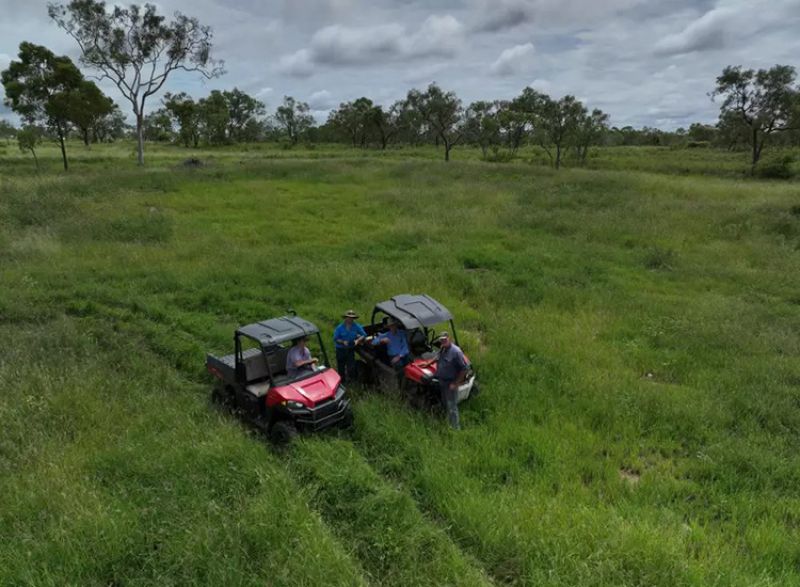 Severe gully erosion on John Lethbridge’s property, near Charters Towers caused by historic overstocking and timber clearing prompted action to be taken. With the help of DPI extension and soil conservation officers, the damaged gullies were reprofiled using a bulldozer to slow water velocity and bund walls built to redirect runoff. Learn about John’s story here: Meet John Lethbridge
A Queensland farm installed fencing to keep cattle out of creek areas, improving pasture growth, reducing erosion, and protecting waterways
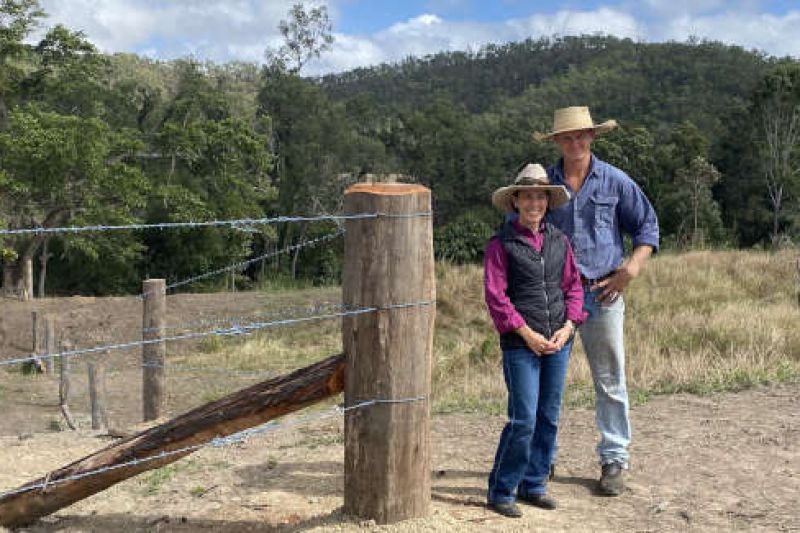 Justin and Bronwyn Tait, who run Droughtmaster breeders on their 1,650 ha property, joined the GRASS program to enhance the sustainability of their grazing land. They implemented an action plan that included fencing riparian areas and installing water points, which improved pasture health, reduced erosion, and enabled sustainable cattle grazing. Find out how they did it here: Meet Justin and Bronwyn Tait
A Queensland grazing farm improves productivity by upgrading pastures and fencing to manage cattle movement and reduce runoff
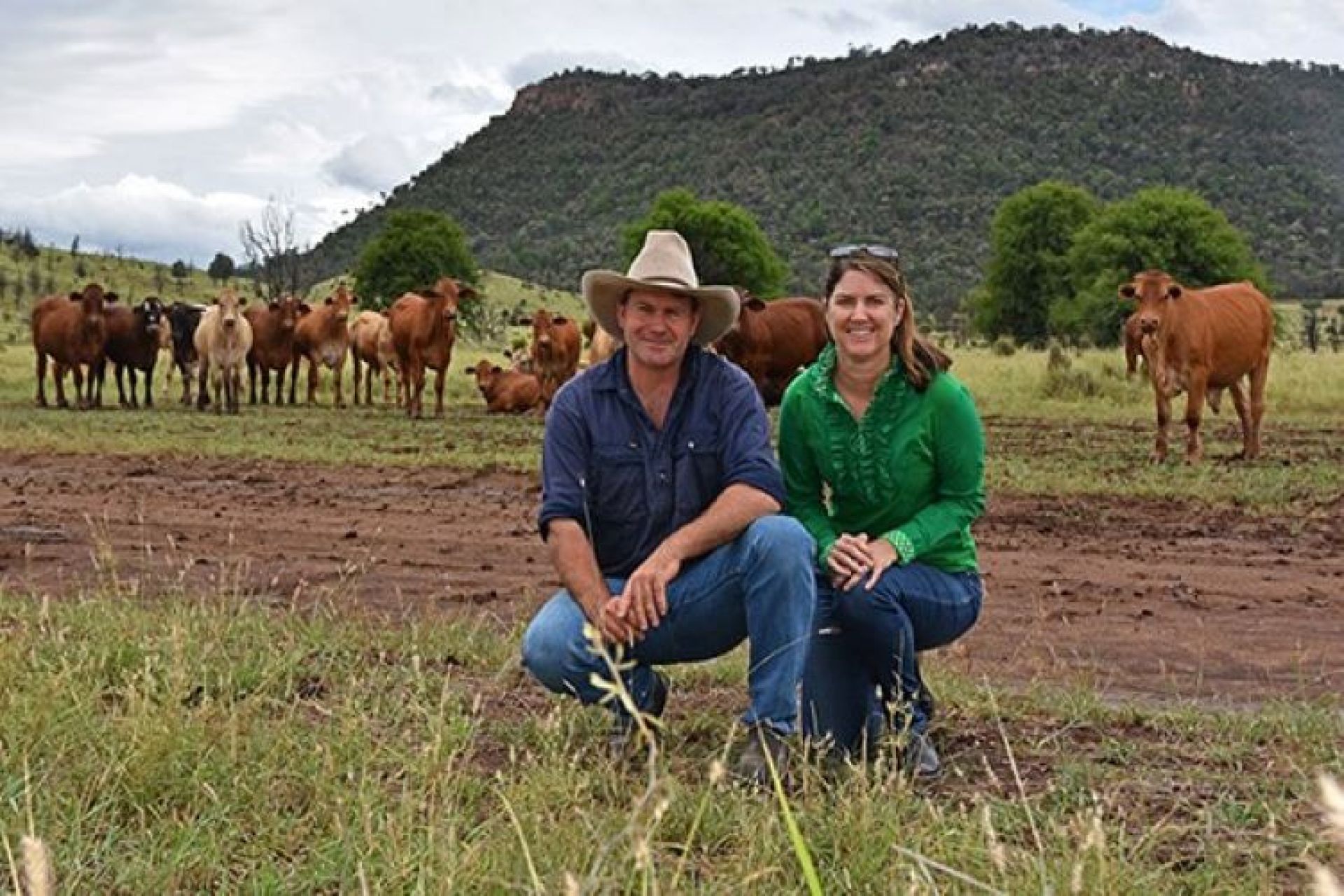 Brigid and Owen Price are leading the way in sustainable beef production. Adopting innovative practices like rotational grazing, satellite pasture monitoring, and water infrastructure upgrades to boost productivity and reduce environmental impact. By participating in industry programs and mentoring future leaders, the Prices are ensuring their family business thrives for generations to come. Read more about their inspiring journey here: Meet Owen and Brigid Price
A Queensland grazing property improved productivity with rotational grazing, better fencing, and improved cattle genetics.
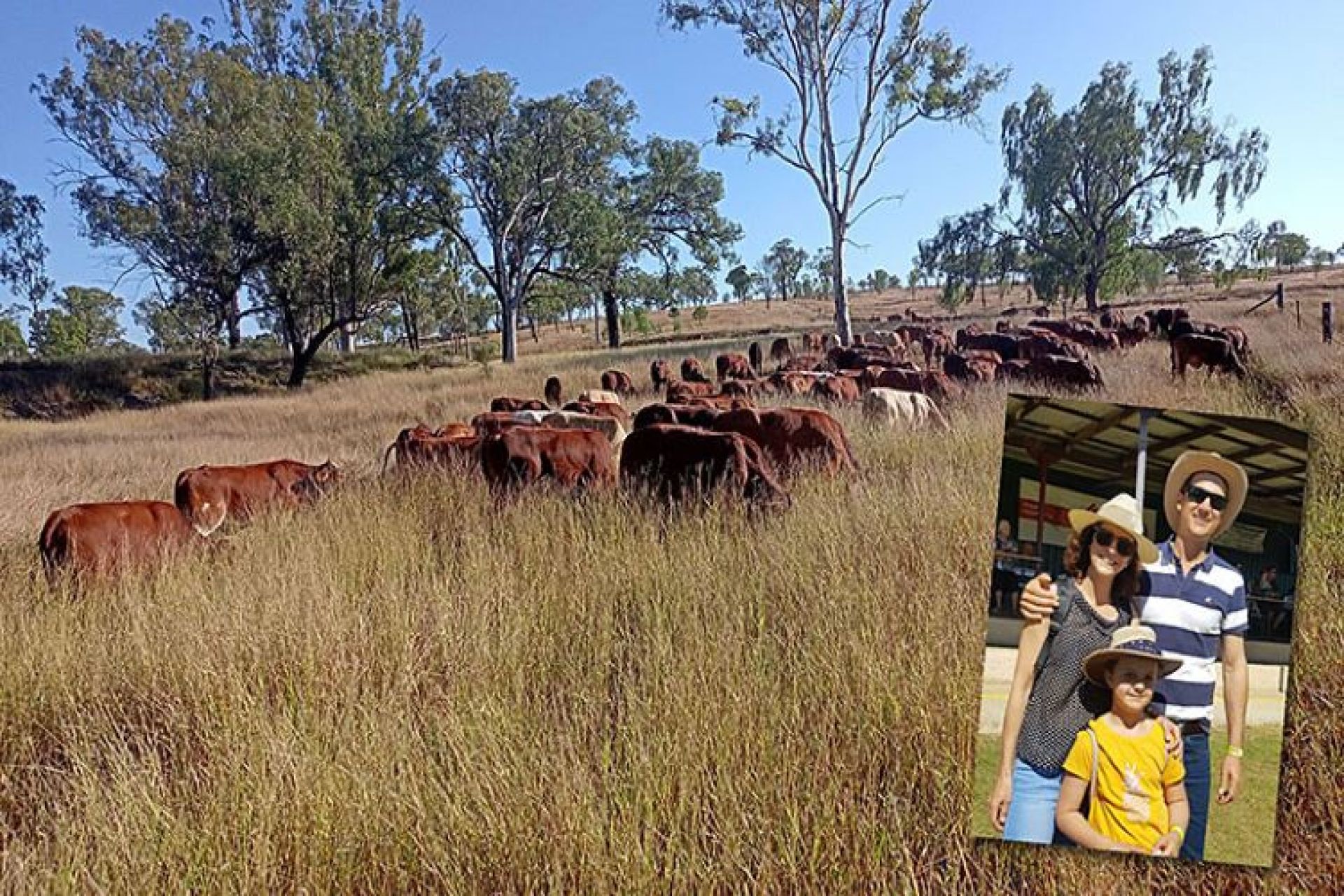
The Barrett family are improving water quality flowing to the Great Barrier Reef by adopting sustainable practices like rotational grazing, nutrient management, and erosion control. Their innovative approach balances productivity with environmental stewardship. Read more about their efforts here: Meet Stuart and Katie Barrett
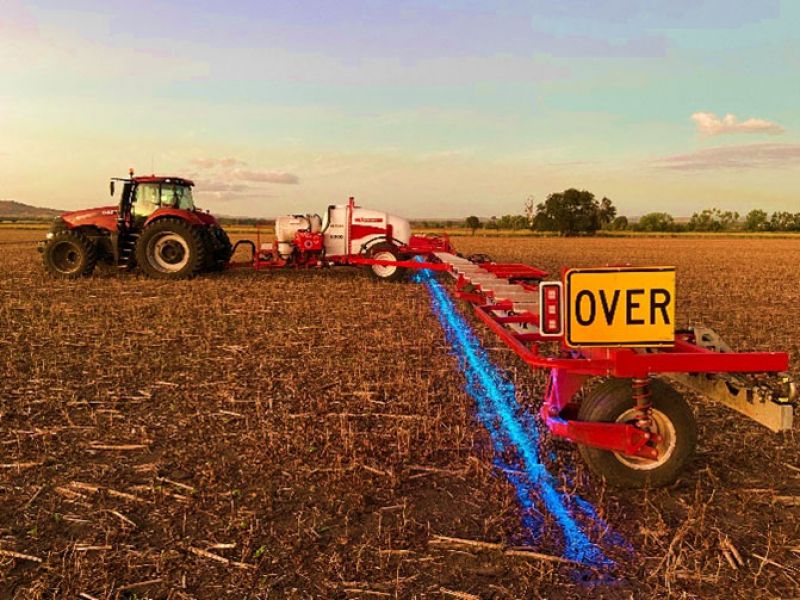
A Queensland farm reduces chemical use and costs by adopting a 36m Croplands WeediT Quadro sprayer, enhancing weed control efficiency.
A Queensland farm combines sugarcane farming and cattle grazing with wetland protection, using off-stream watering and fencing to protect sensitive areas.
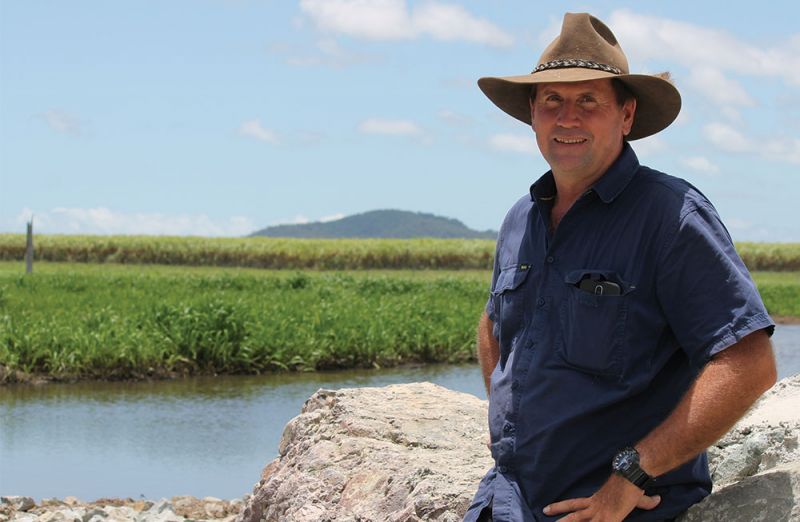 Jason Bradford blends cane-growing and grazing with conservation, managing a property that transitions from wetlands to savannah and estuarine environments. Through initiatives like fish ladders, weed removal, regenerative grazing, and sustainable cane practices, Jason is enhancing biodiversity, and ensuring his farm thrives for future generations. Find out how he does it: Meet Jason Bradford
A Queensland farm improved land and pasture health with rotational grazing, smaller paddocks, and support from the GRASS program.
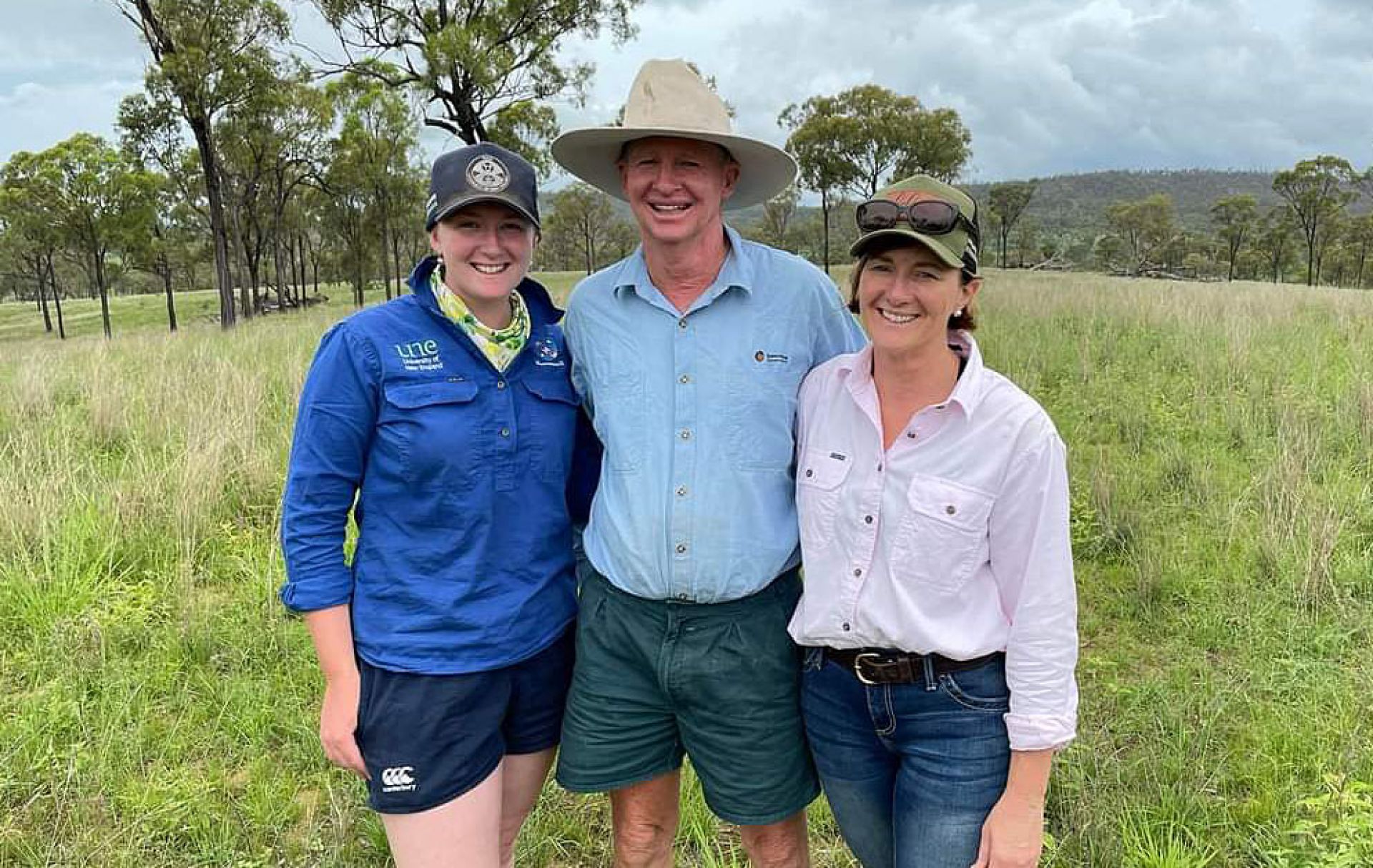
Terry and Megan Dunne have transformed their grazing property by adopting rotational grazing practices. With support from the GRASS program and tools like the Land Condition Assessment Tool and Stocktake app, they continue to refine their land management strategies while planning further improvements to ensure sustainable and productive farming for the future. Learn more about their story: Meet Terry and Megan Dunne
A Queensland farm adopts rotational grazing, strategic water systems, and improved fencing to boost pasture management and cattle welfare, minimising their environmental impact.
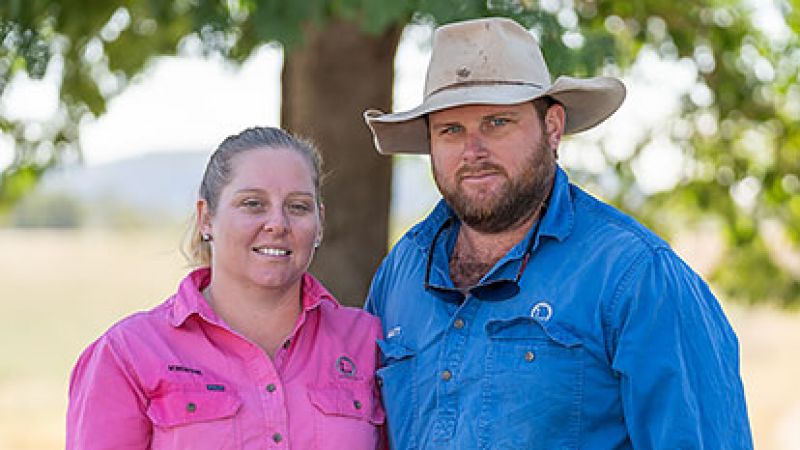 With support from the GRASS program, Kristie and Matt Lisle have transformed their property, Moonkan Park, into a thriving cattle fattening and trading operation. The Lisles have enhanced ground cover, reduced cattle stress, and improved environmental outcomes, all while involving their children in building a legacy for future generations. Read about their journey here: Meet Matt and Kristie Lisle
A Queensland farm enhanced pasture management by doubling carrying capacity and minimising runoff, supporting Great Barrier Reef conservation.
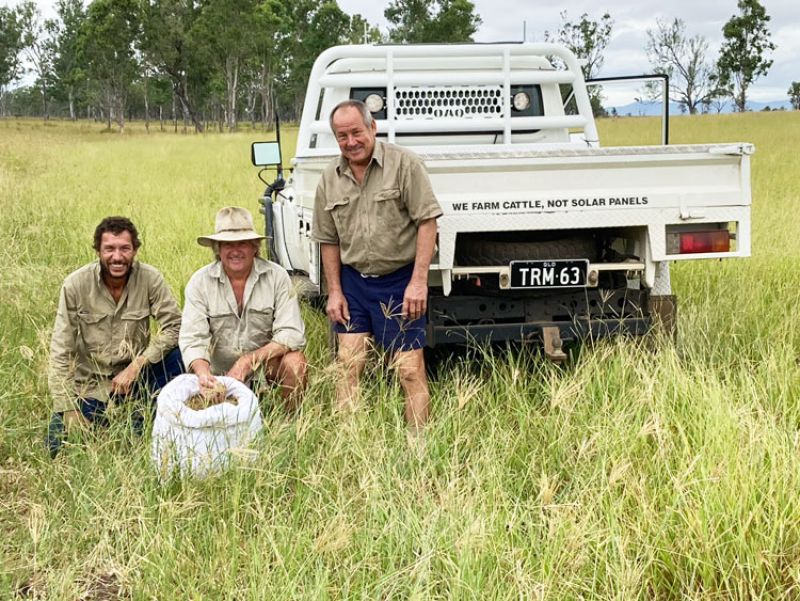 During the 2019 drought, Trevor Mylrea made bold changes to rejuvenate his 2,226 ha property, Manersley, doubling its carrying capacity through improved pastures, strategic water management, and sustainable grazing practices. With support from the GRASS program, Trevor is not only boosting productivity but also protecting the Great Barrier Reef. See how he’s turning challenges into opportunities here: Meet Trevor Mylrea
Central Queensland graziers Justine and Matt McLeod are improving productivity on their grazing property while protecting water quality flowing to the Great Barrier Reef.
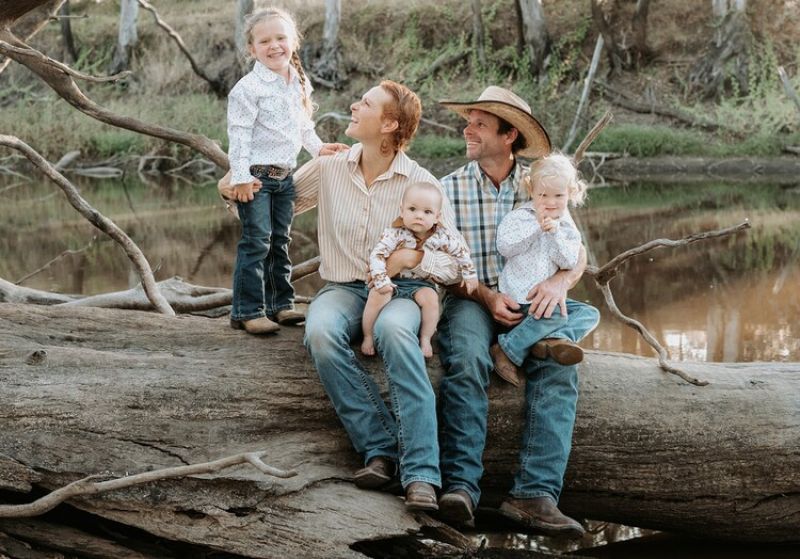 When Justine and Matt McLeod took on their property near Goovigen, it was degraded and prone to erosion, but through rotational grazing, improved ground cover, and better water management, they’ve transformed it into a productive cattle operation. Their efforts aren’t only boosting production but also protecting the Fitzroy River catchment and the Great Barrier Reef. Find out more here: Meet Justine and Matt McLeod
