
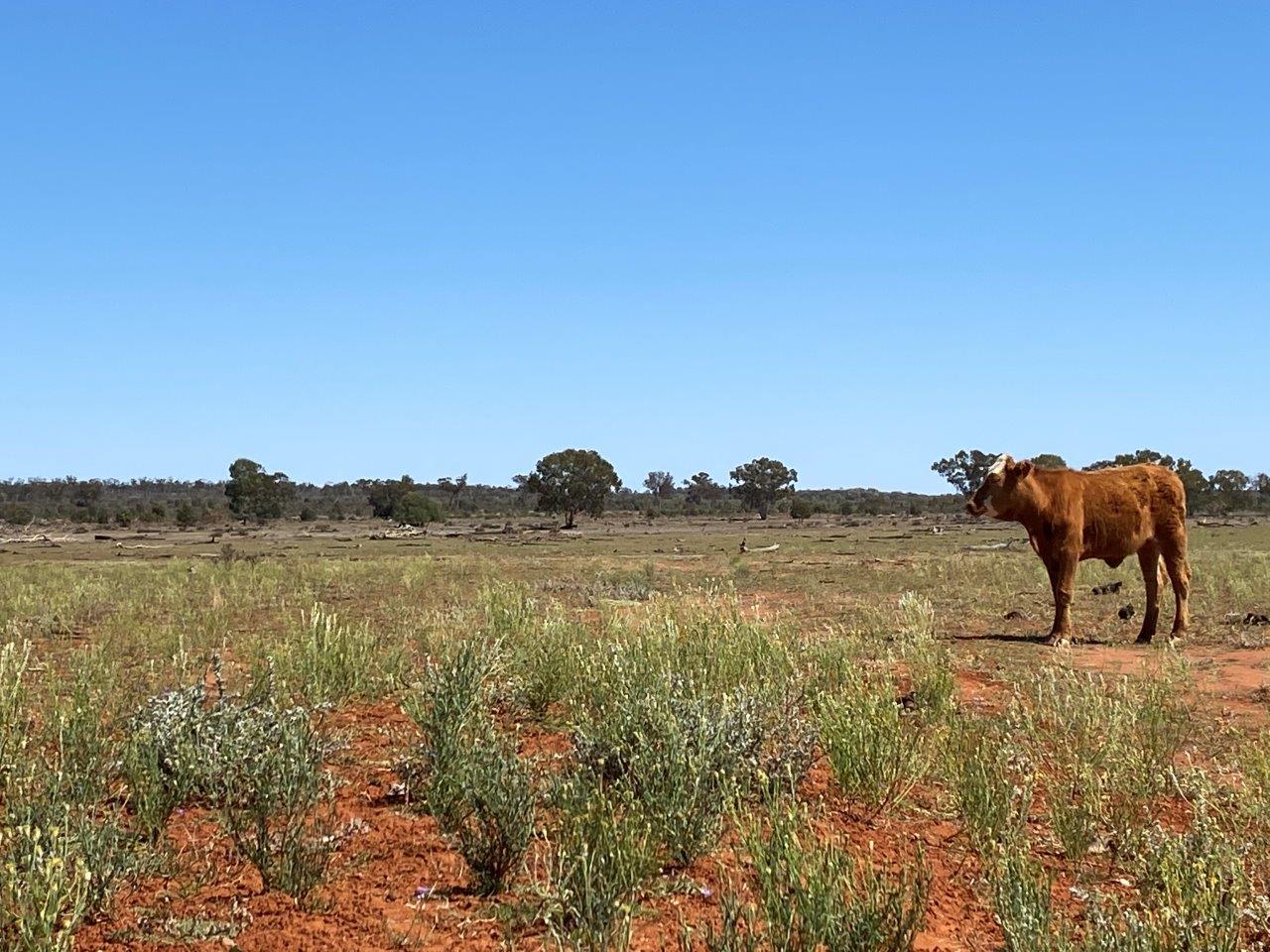
The Novel options to manage pimelea toxicity in cattle research project has two major aims:
- develop and validate novel strategies to prevent or mitigate pimelea toxicity in cattle
- update existing pimelea management guidelines and deliver an awareness campaign to help limit the impact and spread of toxic pimelea species.
Pimelea is a native plant found throughout inland Australia. It is commonly known as desert riceflowers and flaxweed. Three species of pimelea (Pimelea simplex, Pimelea elongata and Pimelea trichostachya) are poisonous to livestock, particularly cattle, and can cause significant losses.
Cattle with pimelea poisoning can have a variety of symptoms including swelling under the jaw, down the neck and brisket, diarrhoea, breathing difficulties, reluctance to move, decreased appetite, depressed and standing alone from the mob, and become easily agitated and aggressive (DPI, 2009).
Previous research projects significantly improved our understanding of pimelea plant ecology and poisoning. The most recent of these investigated if rumen microbes from cattle previously exposed to toxic pimelea could degrade the plant toxin. While no microbes were found, absorbing materials like bentonite showed some potential to bind with the toxin and prevent poisoning.
This project will assess the toxin-binding or absorbing potential of products currently commercially available or being considered for commercial availability in Australia. A range of commercially available herbicides will also be tested for their effectiveness to reduce the germination rate of pimelea.
A project advisory committee will guide and provide input into project activities. It will include members from across pimelea-affected regions and with a diverse range of skills, for example producers, vets, agronomists and extension officers. Project partners – Meat & Livestock Australia, Queensland Alliance for Agriculture and Food Innovation, AgForce and Redox – will also provide input and support. A producer survey will be conducted to gather information on which strategies producers are currently using to manage pimelea and pimelea poisoning.
The project began in June 2026 and will run for four years.
For more information about the project, please contact Ros Gilbert (Principal Scientist), Department of Primary Industries at ros.gilbert@dpi.qld.gov.au or (07) 3708 8389.
For more information about pimelea poisoning:
- download Pimelea poisoning in cattle – 2nd edition (PDF, 330kB), Meat & Livestock Australia
- download Understanding pimelea poisoning of cattle (PDF, 2MB), Department of Primary Industries
- talk to your local beef extension officer or veterinarian
The Pimelea project is funded by the Department of Primary Industries, Meat & Livestock Australia and the Australian Government through the MLA Donor Company.
