
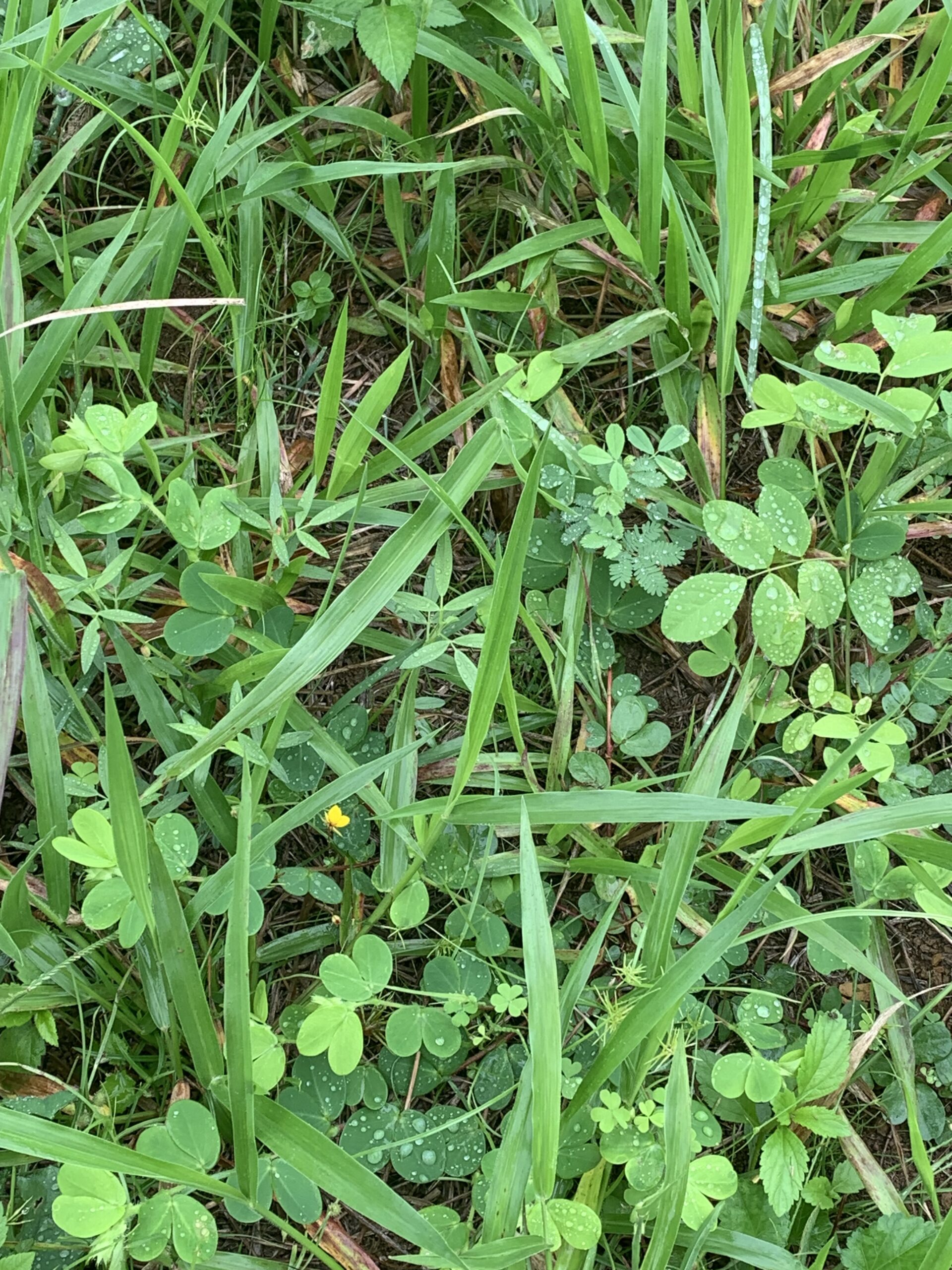
Distance is no longer a barrier for Queensland producers when it comes to improving their pastures, thanks to an initiative which paired peer learning and practical advice on a flexible online forum.
Delivered through a partnership between the Queensland Department of Primary Industries (DPI), MLA and the Australian Government through the MLA Donor Company, the Queensland Pasture Resilience Program (QPRP) provides beef producers with tools and support to improve their pastures.
Producers can also access new resources and information services about pasture development and grazing management through the FutureBeef online platform. FutureBeef is a partnership between MLA, DPI, Northern Territory Department of Agriculture and Fisheries and Department of Primary Industries and Regional Development Western Australia.
Here, Kylie Hopkins (DPI Senior Beef Extension Officer with QPRP) and Melissah Dayman (DPI Technical Officer with FutureBeef) share the benefits, challenges and on-farm results they witnessed while delivering an online learning package for beef producers wanting to incorporate legumes into their pastures.
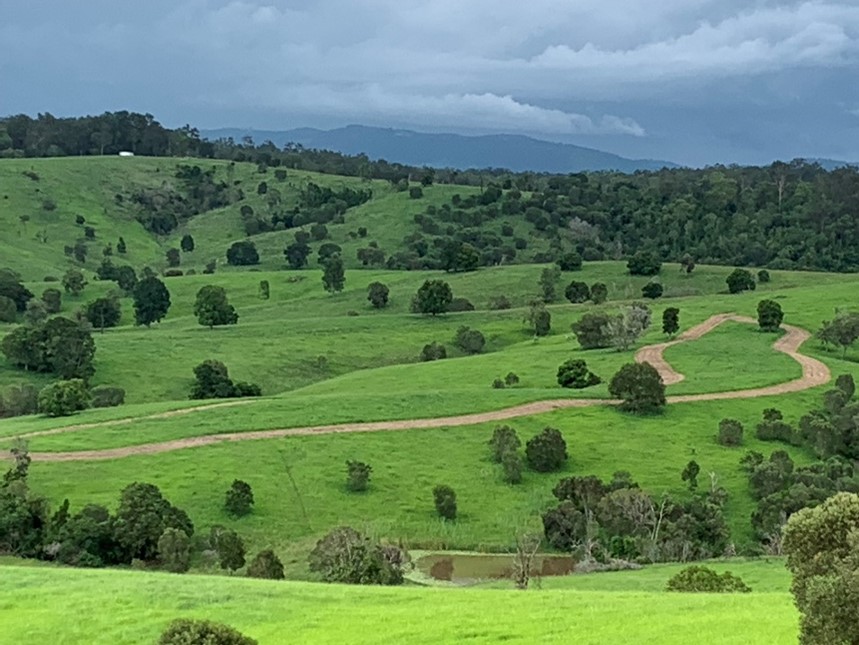
Getting things started
The QPRP delivers in-person workshops and field days on pasture development to assist beef producers in managing issues such as pasture rundown and pasture dieback.
“These events are well attended but a lot of information is covered in one day so some producers don’t know where to start when they get home,” Kylie said.
“When Melissah proposed using an online peer group supported by FutureBeef as a way to work with beef producers on their pastures, our team jumped on the opportunity.”
To engage producers and encourage them to participate, Kylie introduced the idea at a field day held at Brian Pastures Research Facility, Gayndah, in May 2024.
“I was asked to deliver a presentation on the value of adding legumes to your pastures, so it was the best time to ask people if they wanted to join an online group to get help in doing that,” Kylie said.
“We received many expressions of interest which resulted in 14 beef producers being involved from the central and coastal Burnett areas of south-east Queensland.”
Despite initial concerns around connectivity and platform limitations, the group built a strong sense of community – with early relationship building a crucial element.
“We spent most of the first session getting to know each other,” Melissah said.
“That foundation helped us overcome any tech issues — even when someone’s camera or mic didn’t work, we found a way to include them.
“People who had never met became incredibly supportive of each other and interested in each other’s updates. They were sharing advice, offering to loan their equipment and checking in on each other’s progress.
“People ultimately helped each other plant pastures without ever setting foot on each other’s properties – it was really amazing to see.”
Turning theory into practice
The group followed a seasonal calendar that aligned technical content with key pasture preparation and sowing windows. The first session was held in September 2024, to equip producers with the information they needed to plant in January/February 2025.
Participants created tailored action plans with facilitator support and were held accountable through regular check-ins.
Content was delivered via Microsoft Teams on a monthly basis by Kylie and project team leader and pasture specialist Stuart Buck. The digestible sessions included plenty of time for peer-to-peer sharing. Melissah was the online facilitator – coordinating the sharing and discussion and helping people with any tech issues that arose.
“We quickly realised we needed three hours per session, not two,” Kylie said.
“Producers needed more time than anticipated to share their updates and challenges. Stuart, in turn, then needed time to provide each producer with personalised advice that linked theory back to practical outcomes.”
Melissah said a surprise was how willing the group was to share their challenges and help each other out.
“Some of the participating producers had trialled legumes with mixed success, some had done a lot of research but never tried and some were just considering it for the first time,” Melissah said.
“That mixed bag of people and their willingness to engage with each other is what made the group learning really rich.”
End results and next steps
While it’s too early to measure productivity gains, Kylie said participants are already seeing the value translated on-farm.
“Everyone has seen some progress,” she said.
“For some people it is as simple as getting more prepared to start their activities this coming summer.
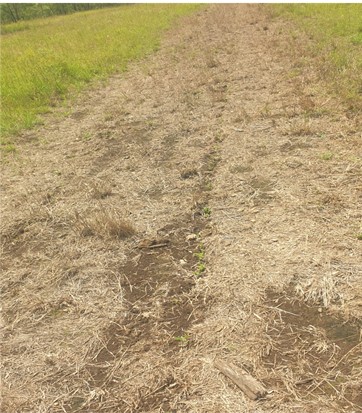
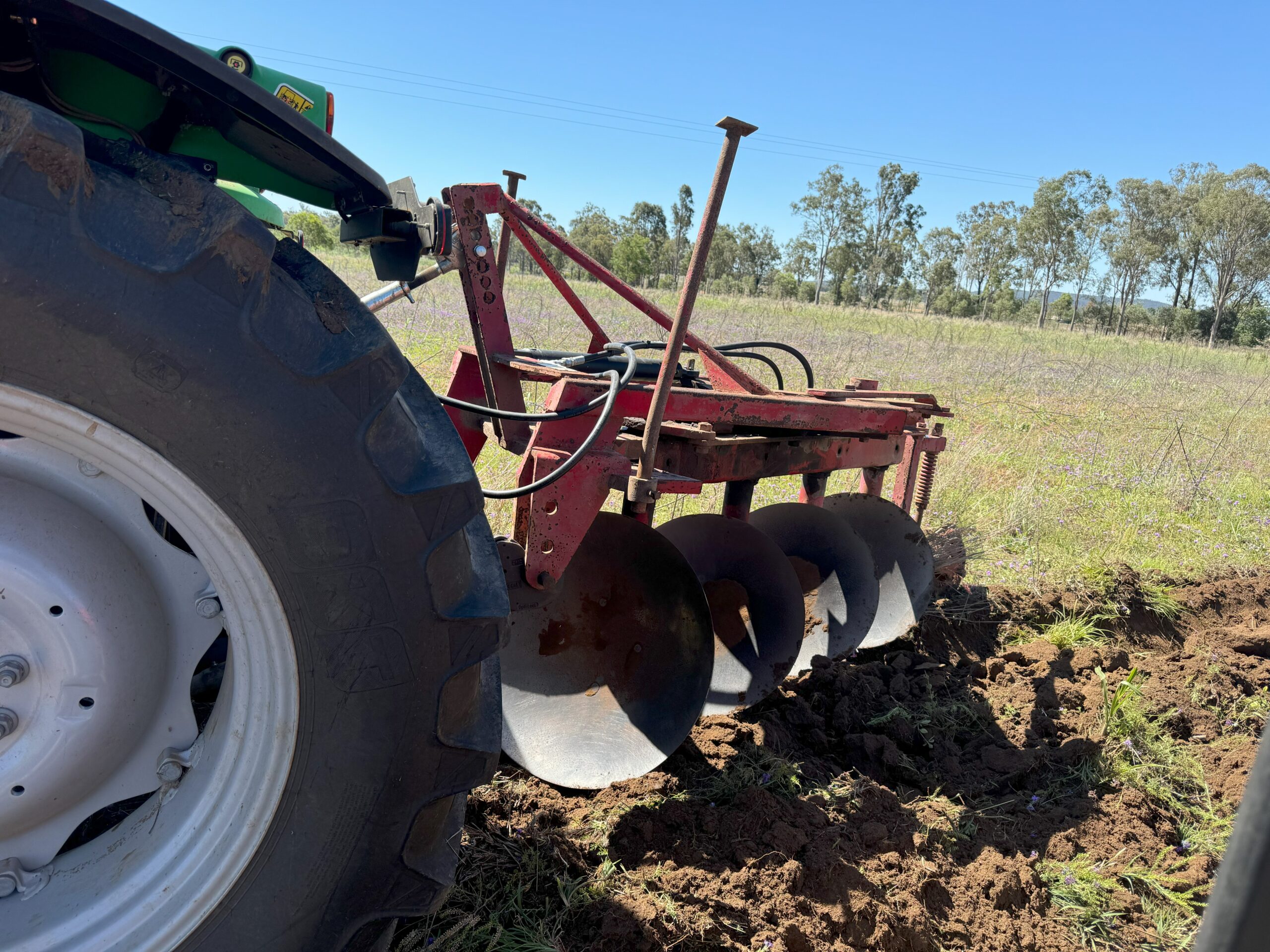
“Others have done initial clearing or fencing, some have planted legumes in strips and others have grown annual forage crops to prepare country for perennial pastures next year – it’s very diverse.
“That diversity is important – we didn’t expect everyone to have new paddocks of pasture at the end of this process. The aim was to give them the information and support they needed to make the right decision for their business. Sometimes that meant choosing a different paddock or changing the plan. It’s still progress.
“The group has been very active in documenting and sharing photographs of their progress with each other, so we’re now at a point where everyone is excited to complete some on-farm visits to see these results in person.”
Moving forward, Kylie said they are remaining in contact with the group and will continue to provide any further support they need.
“We had such fun working with this group, we are planning another one soon.”
The DPI’s online legume group was an initiative of the FutureBeef project and facilitated by Melissah Dayman. Technical expertise were provided by Stuart Buck and Kylie Hopkins from the Queensland Pasture Resilience Program – a partnership between the Department of Primary Industries, Meat & Livestock Australia and the Australian Government through the MLA Donor Company.
