
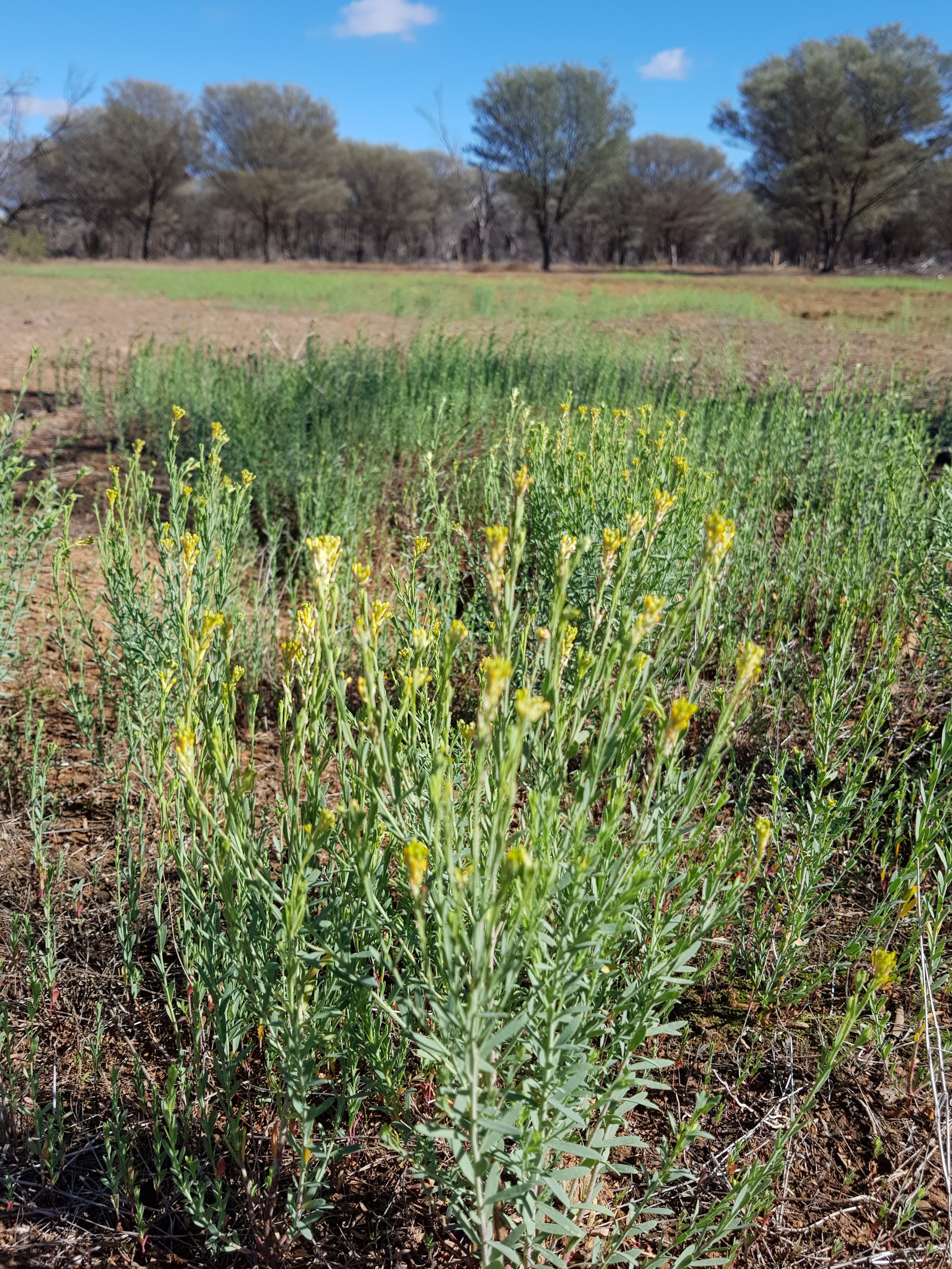
 Pimelea continues to challenge cattle producers across many regions, but understanding the plant, the risks, and the management options available can make all the difference.
Listen to Queensland DPI experts Ros Gilbert (Brisbane) and Bec Brayley (Charleville) in this webinar recording as we unpack: the puzzle of Pimelea poisoning, including:
- How to identify different Pimelea species and recognise high-risk growth stages
- Understand how the toxin affects cattle and how to spot the signs of poisoning early.
They also discuss current management strategies and introduce the new MLA-funded project, ‘Novel Options to Manage Pimelea Toxicity in Cattle’, including opportunities for producers to get involved and contribute to future solutions.
Whether you’re currently dealing with pimelea or want to be better prepared, this webinar recording provides valuable insights to help protect your herd and plan ahead.
You can watch the full recording or use the playlist below to jump to the start of a particular section within the presentation (29 minutes:51 seconds; published 14th September 2026 by FutureBeefAu).
You can view the presentation slides by clicking on: Pimelea Webinar Presentation in the downloads.
Keep checking back as we will have audience questions answered in a FAQ sheet here soon.
Full recording
Playlist
- Introduction and Project team
- Pimelea description and distribution
- Occurrence of poisoning
- The toxin and the disease
- Poisoning pathways and symptoms
- The dose makes the poison
- Toxin levels- dry Pimelea
- Previous research
- New project- The science and extension
- Practical Pimelea- experience from the paddock
- Pimelea Plant ID
- Pimelea – Myth Busting
- Post mortem observations
- Spot the signs early
- Toxic dose for a 150kg weaner
- Chemical control options for Pimelea
- Key take away messages
- Extension contacts
Additional resources
- Understanding Pimelea poisoning of cattle (PDF, 2MB)
- Pimelea Poisoning (FutureBeef)
- Pimelea Identification diagram (DPI)
- New project page: Novel options to manage Pimelea toxicity in cattle (FutureBeef)
