Turning challenge into opportunity: pasture recovery in SEQ
More than 130 producers braved early heatwaves to attend four Pasture Field Days across Southeast Queensland, coming together to share experiences and tackle one of the region’s toughest challenges, pasture dieback and the collapse of long-trusted species like Kikuyu and Bisset creeping blue grass. In the higher-rainfall belt from the NSW border to Yarraman, Kikuyu collapse has created increased weeds, bare ground, erosion, and reduced productivity, leaving many producers looking for guidance and practical options.
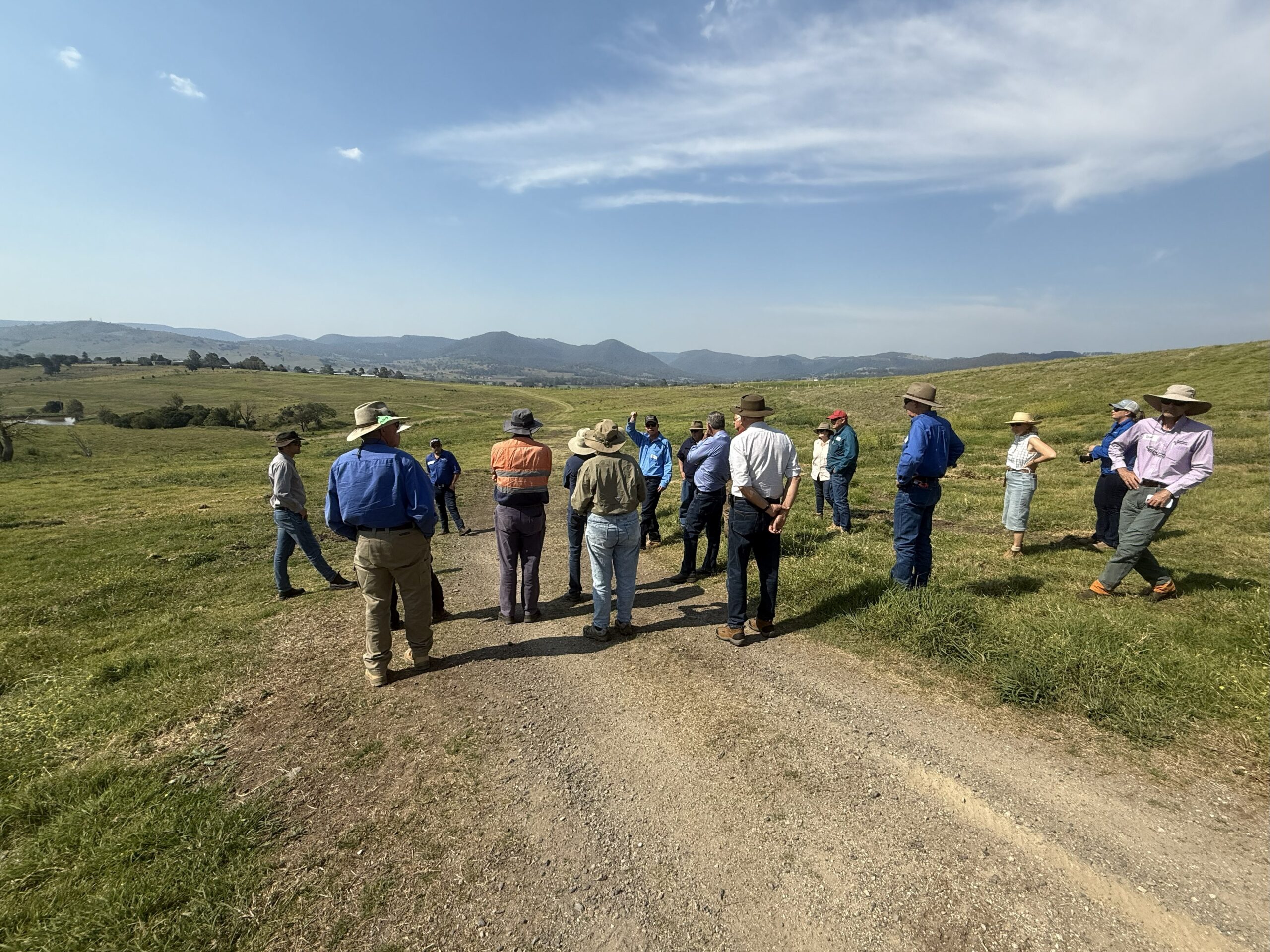
To support those facing these cross-border issues, DPI’s sown pastures team joined forces with NSW specialists experienced in managing Kikuyu collapse, combining practical knowledge from both sides of the border. Producer experiences and local insights were also a key part of the discussions, adding practical, on-ground perspectives on managing and rebuilding pastures.
The events were delivered in partnership with the Southern Queensland Innovation Hub, Condamine Headwaters Landcare Group, NSW Local Land Services, Healthy Land and Water, and the Upper Yarraman Farmers Hall Committee. By working together across the same regions and challenges, partners are aligning extension, technical support, and demonstration sites to provide producers with consistent, practical guidance.
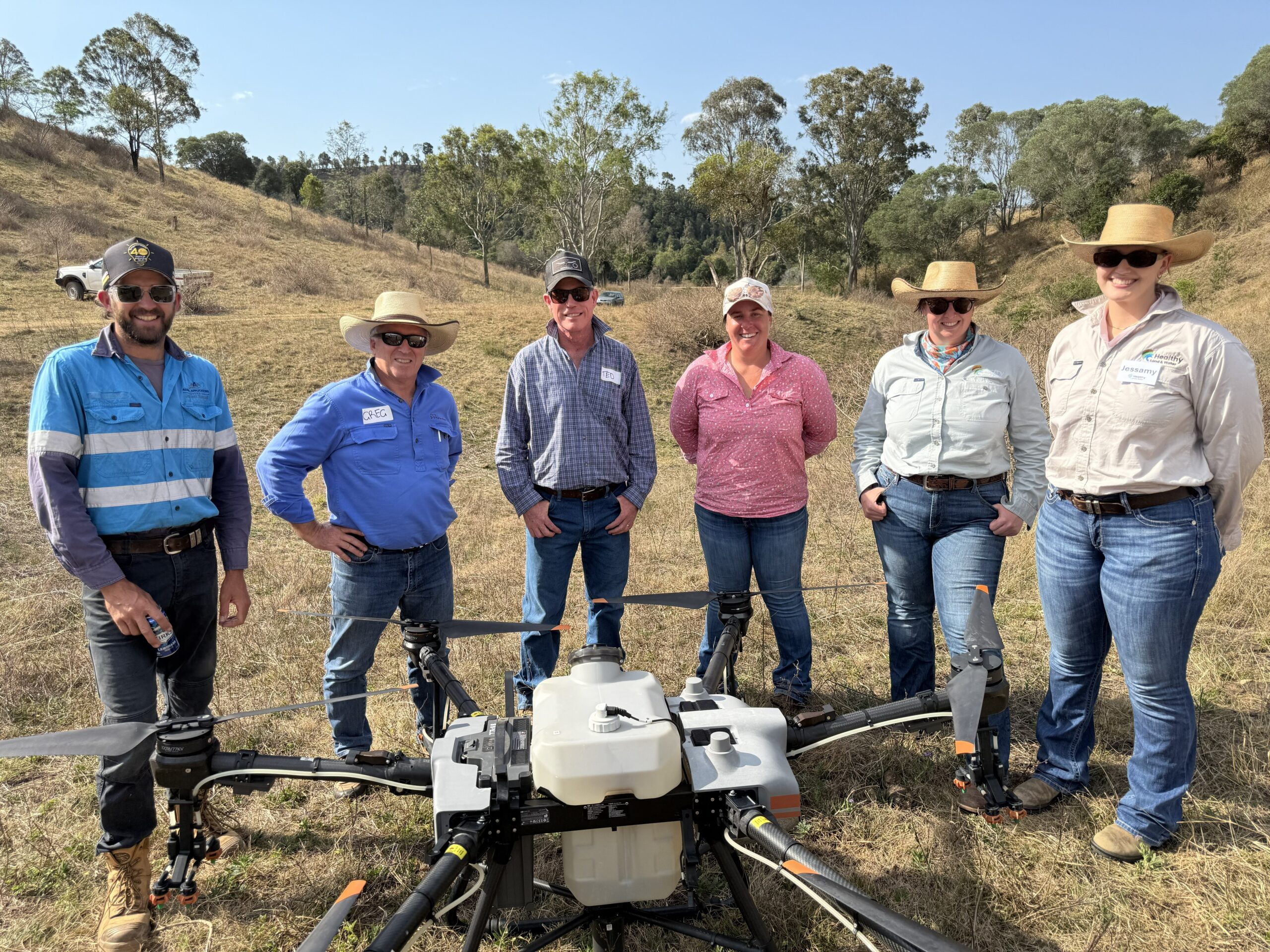
A key focus of the field days was “what’s next?” Producers explored dieback tolerant grasses and legumes that could restore productivity and visited local demonstration sites to see practical examples in action. Hands-on sessions covered essential steps for successful pasture establishment: preparing quality seedbeds, storing soil moisture, managing competition, and selecting species suited to local conditions. Grazing management and forage budgeting sessions gave producers tools to keep pastures productive and resilient.
By the end of the day, producers left with renewed confidence, practical strategies, and a better sense of the options available. Backed by ongoing support from a network of experts, peers, and partners, they now have guidance and local approaches to help navigate the next steps on their properties. With demonstration sites underway and strong collaboration across partner groups, the region is building momentum toward long-term pasture recovery and resilience.
For more information check out these links:
- Pasture dieback
- How do I.. Select grass varieties tolerant to pasture dieback?
- Management of pasture dieback
This work is conducted under the Queensland Pasture Resilience Program, which is a partnership between the Department of Primary Industries, Meat & Livestock Australia and the Australian Government through the MLA Donor Company.