eBulletin February 2026
In this edition of the FutureBeef eBulletin you’ll find:
- gully remediation in action – check out this amazing timelapse video
- currant bush in North Queensland
- why you might see a lower than expected response to fertilising with phosphorus
- farm resilience planning and Drought Preparedness Grants making a difference on farm
- a call for expressions of interest for Rangeland Management Courses in the NT
- opportunities from over-sowing legumes in Western Australia
- using drones to establish pastures in hard-to-reach places
- impact of the GRASS project in the Burnett and Mary catchments
- trialling legumes to boost pasture and profit
- Advancing Beef Leaders program opening soon
- upcoming events.
Sincere apologies for getting the date wrong for the GroWQ Expo in the last issue – it is on 29–30 July in Longreach.
Happy reading!
Kind regards
Felicity and Jodie
on behalf of the FutureBeef team
P.S. Let us know what you think of the FutureBeef eBulletin via email or call us on 13 25 23. You can also connect with us on Facebook, X and LinkedIn, or check us out on YouTube.
Alluvial gully remediation — watch what happens!
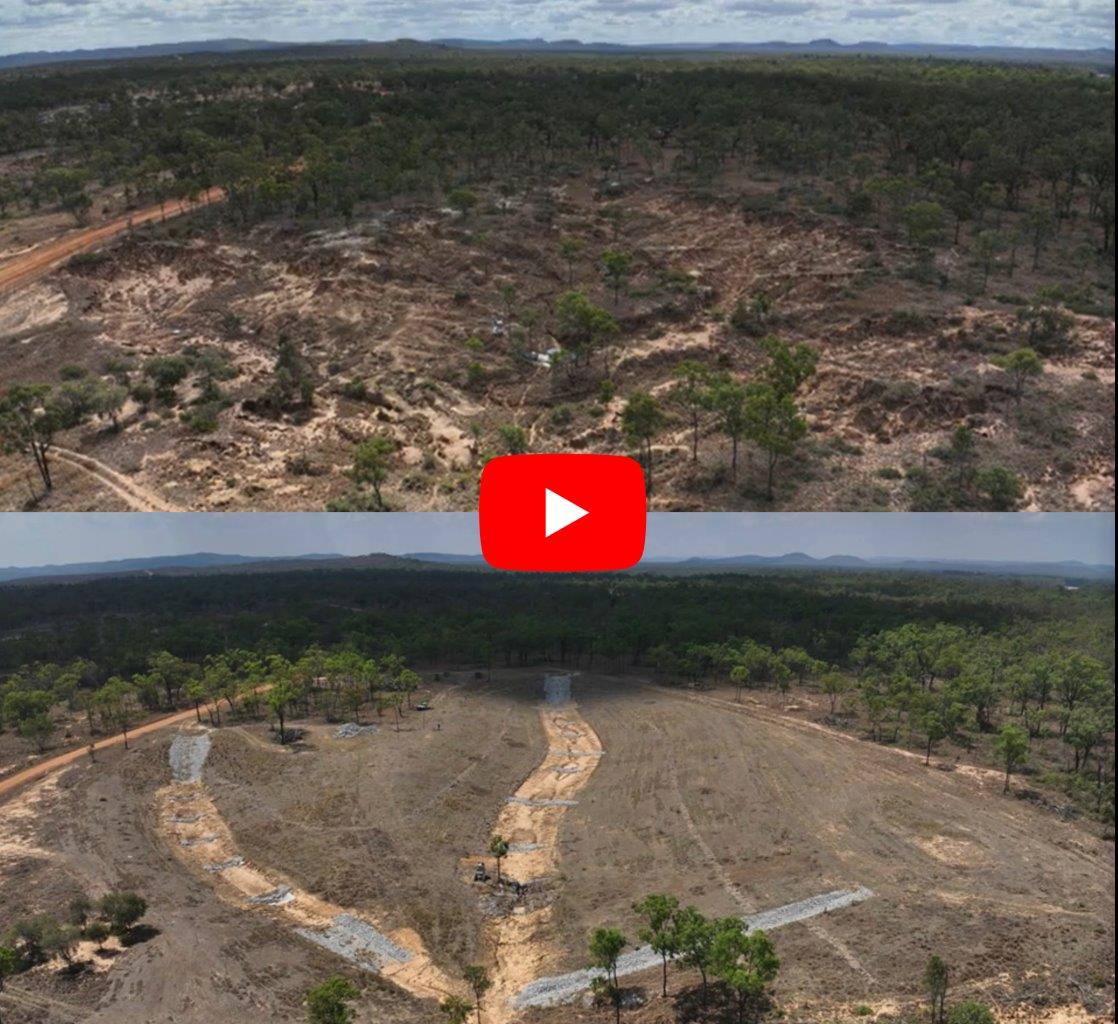
Gully erosion can drastically reduce the productivity of grazing land, reduce water quality downstream, and require ongoing costly interventions if left unmanaged.
The Demonstrating alluvial gully remediation techniques in the Upper Burdekin Catchment project is trialling several rehabilitation strategies including high intensity mechanical intervention.
Watch the timelapse video of the high intensity mechanical intervention treatment (1 minute) >>
Read about the project including cost summary >>
Currant bush in north Queensland — what’s going on?
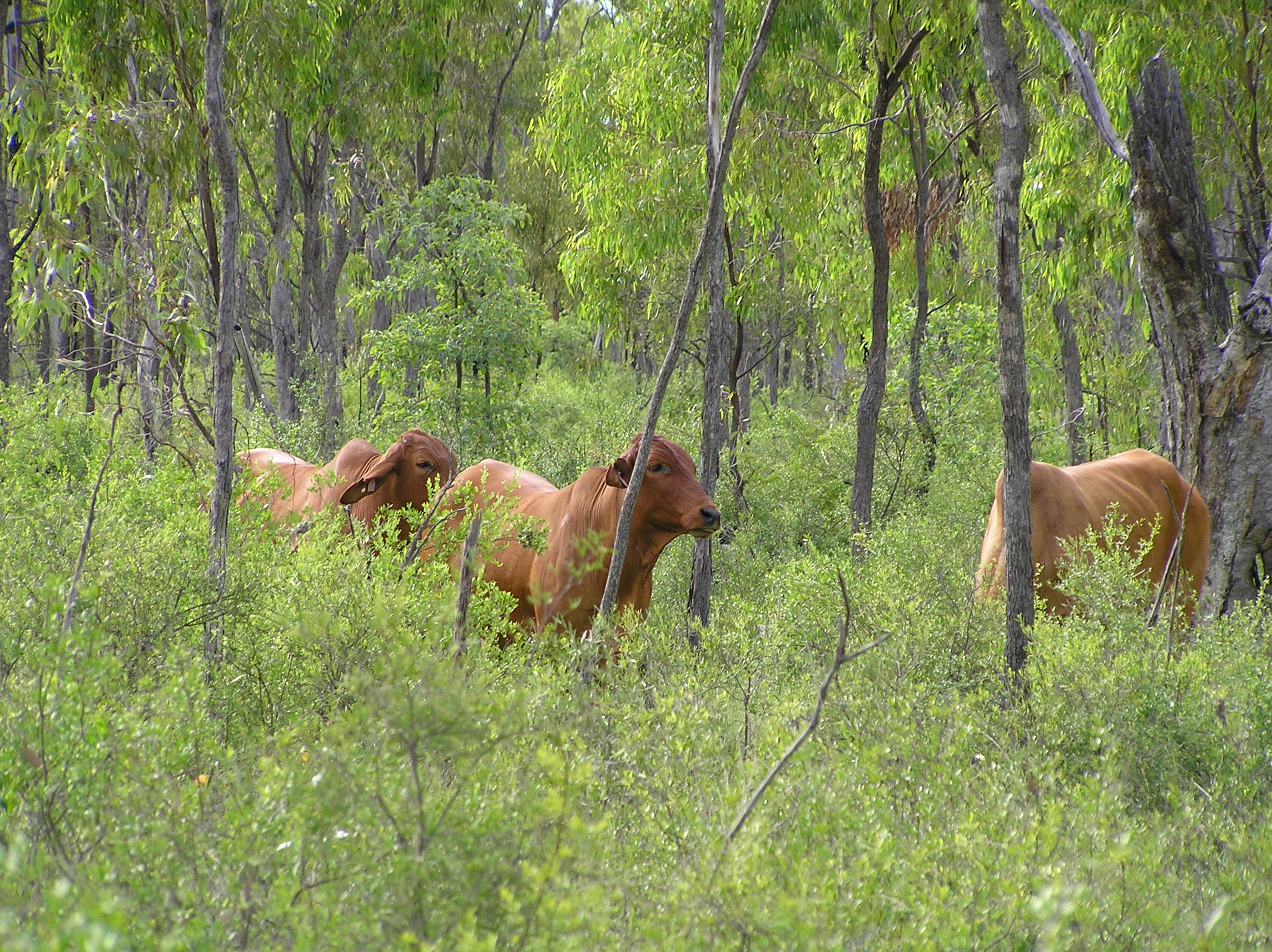
In this podcast, Bob Shepherd (DPI Principal Extension Officer) shares how currant bush cover has increased in northern Queensland. Bob also talks about potential management options for different situations.
Listen to Rural News podcast (7 minutes) >>
Download the currant bush fact sheet >>
Buffalo fly control challenges and opportunities for tunnel traps
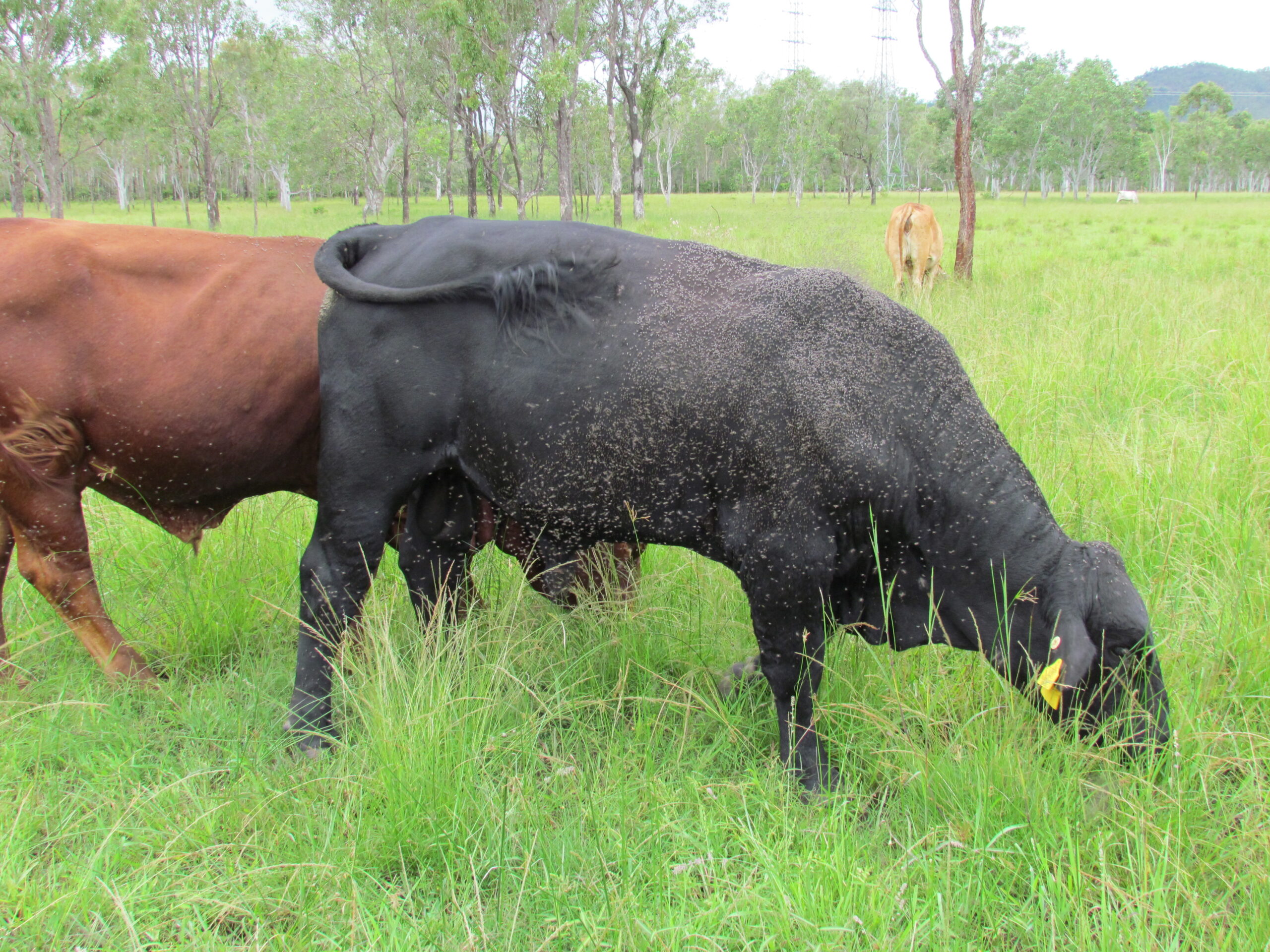 Buffalo flies remain a significant challenge for livestock producers. To understand current management practices and the potential of buffalo fly tunnel traps, a survey was conducted in December 2025.
177 people responded, revealing critical insights into the challenges posed by buffalo flies and industry’s interest in alternative solutions.
Is your soil stealing your P?
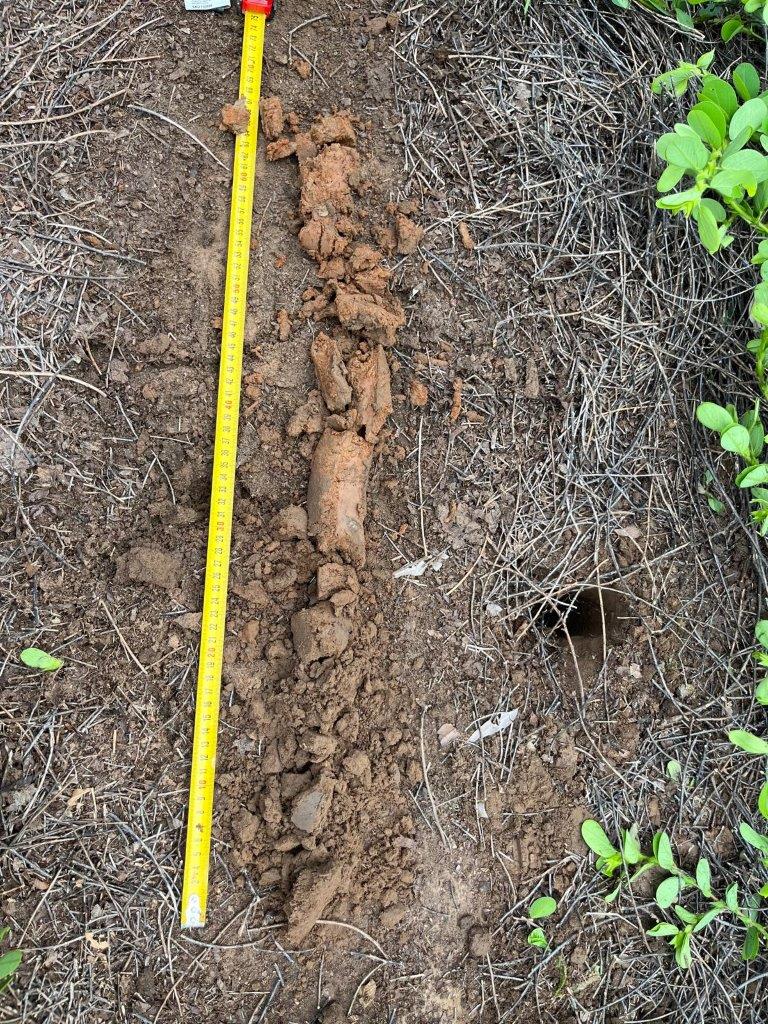 Long story short, maybe? — what’s the difference between ‘stealing’ and ‘storing’ among friends?
In this terrific article, pasture agronomist Shannon Byrnes, explains why many graziers apply phosphorus (P) fertiliser only to find the pasture response is far lower than expected.
Here’s how to find out your soil’s phosphorus ‘storing’ capacity >>
Farm resilience planning = property improvements
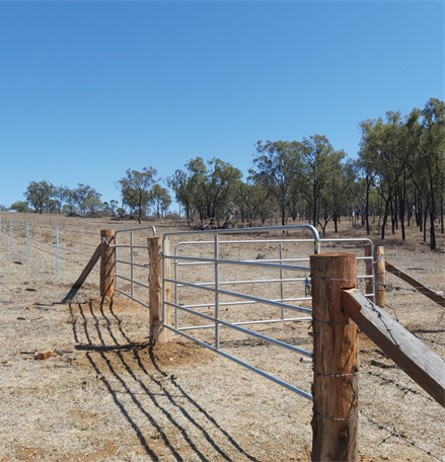 Drought Preparedness Grants offer up to $50,000 as a co-contribution grant to assist primary producers undertaking permanent infrastructure activities that will improve the drought preparedness of their property. This article is one example of how beef producers have been putting the grant to work.
Read Megan and Terry Dunne’s experience >>
EOI open for Rangeland Management Courses 2026
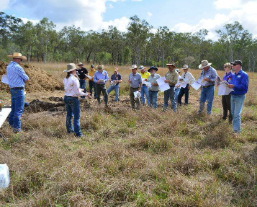 The NT Department of Agriculture and Fisheries is seeking expressions of interest for participation in the 2026 Rangeland Management Courses — a series of free, one‑day workshops designed to upskill early‑career station hands and strengthen capability across the Northern Territory’s pastoral industry.
Find out more about this award-winning course >>
Over-sowing legumes: a big opportunity for WA producers
 Feedbase scientists in Western Australia are working with their counterparts in northern Queensland to further research into over-sowing legumes. Hear from the experts in the field: pasture scientists Kendrick Cox and Craig Lemin from DPI Queensland, together with pastoralist Kelvin Bethel from Georgetown and senior agronomist Stan Paynter from Selected Seeds as they explain the benefits of over-sowing stylo and other legumes into native pastures.
Watch the video (5 minutes) >>
Drones opening new doors
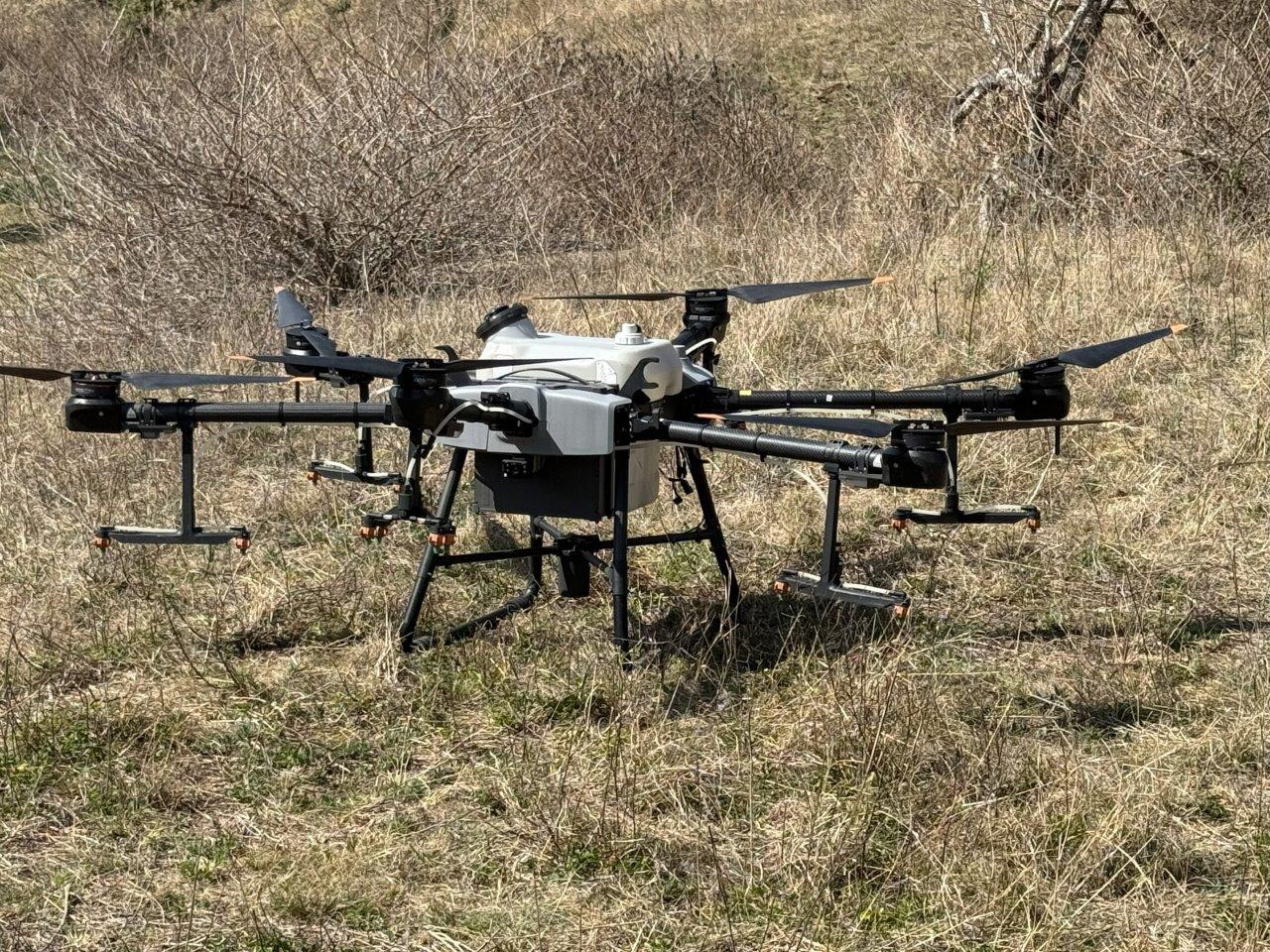 How do you get new pasture species established when the country is too steep, too wet, too rough, or too fragile for machinery?
Here is everything you need to know about how drones can help >>
Burnett and Mary catchments win with incentive funding
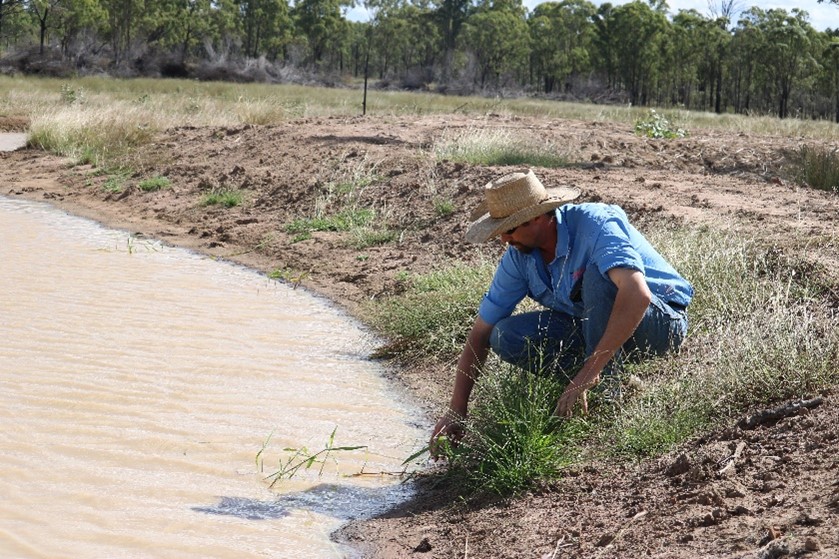 The Grazing Resilience And Sustainable Solutions (GRASS) project is coming to an end in June 2026. In this article, the project team reflects on the contribution it has made to the grazing community in the Burnett and Mary catchments.
Burnett grazier, Dave Smith, used funding from the project to pay for part of considerable on-ground works, repairing an eroded site.
Read more about the GRASS project >>
Trialling legumes to boost pasture and profit
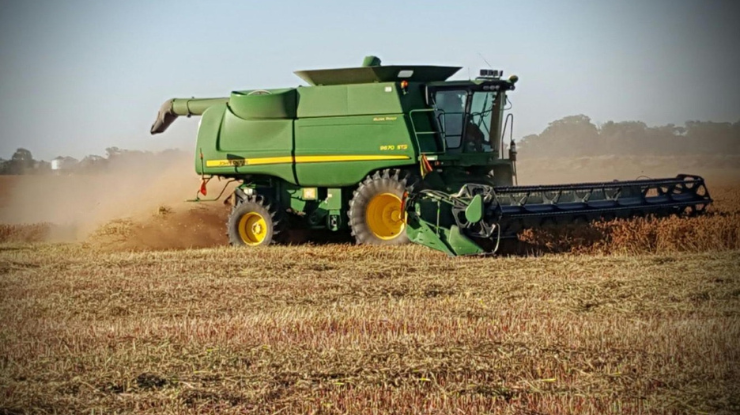 Learn how the Rodham family is trialling the introduction of hard-seeded pasture to cut costs, boost feed and strengthen whole-farm resilience.
Advancing Beef Leaders 2026 program opens soon
Applications for the Advancing Beef Leaders (ABL) program open on 1 March and close on 31 March 2026. So if you’ve been toying with the idea of professional development with a world class program, now is the time.
Visit the ABL website for details >>
Insights from previous flood events
Our thoughts are with all those who have been impacted by recent flood waters. We know that the damage and devastation can be confronting and challenging.
With this in mind, a few of our colleagues wanted to share some insights they gained while assisting communities recovering from floods in north west Queensland during 2019.
Prefer to get all of this great info delivered straight into your inbox every month?