From paddock to processing plant: what the Atherton Tablelands tour reinforced about pasture resilience
Note from the editor
The Queensland Pasture Resilience Program is a partnership between the Department of Primary Industries (DPI), Meat & Livestock Australia and the Australian Government through the MLA Donor Company. The five-year program is delivered by the DPI and aims to help all Queensland graziers tackle the three big threats to beef production: land condition decline, pasture rundown and pasture dieback. Governance of the QPRP is overseen by a program steering committee made up of DPI project members, producers, industry consultants and external experts. Twice a year the group meets to discuss project progress and consider new opportunities. One of these meetings is held in person and includes a local tour of research sites, producer property visits, and other industry facilities. In October 2025, the North Queensland Sown Pasture team hosted the steering committee for three days on the Atherton Tablelands and surround districts. Ross Newman, a beef production and pasture consultant, is a member of the QPRP steering committee and has summarised his experience of his trip to NQ.
Kylie Hopkins
Ross Newman – Pastures To Prosperity (Beef production and pasture consultant)
Over the past few years, I’ve had the privilege of being involved in the Queensland Pasture Resilience Project (QPRP) through the Central Queensland project reference group and the broader program steering committee. It’s a role I value because it sits right where good industry outcomes are created: at the intersection of practical paddock experience, credible research, and the commercial realities of seed supply.
A recent tour through the Atherton Tablelands and surrounding regions was one of those trips that reminds you why this work matters. It wasn’t just a series of stops. It was a full-cycle look at pasture systems—from plant performance in real country, to the decisions producers are making under rainfall and soil constraints, right through to the seed processing steps that ultimately determine what arrives in a producer’s planter box.
Seeing proven legumes and perennial systems in the real world
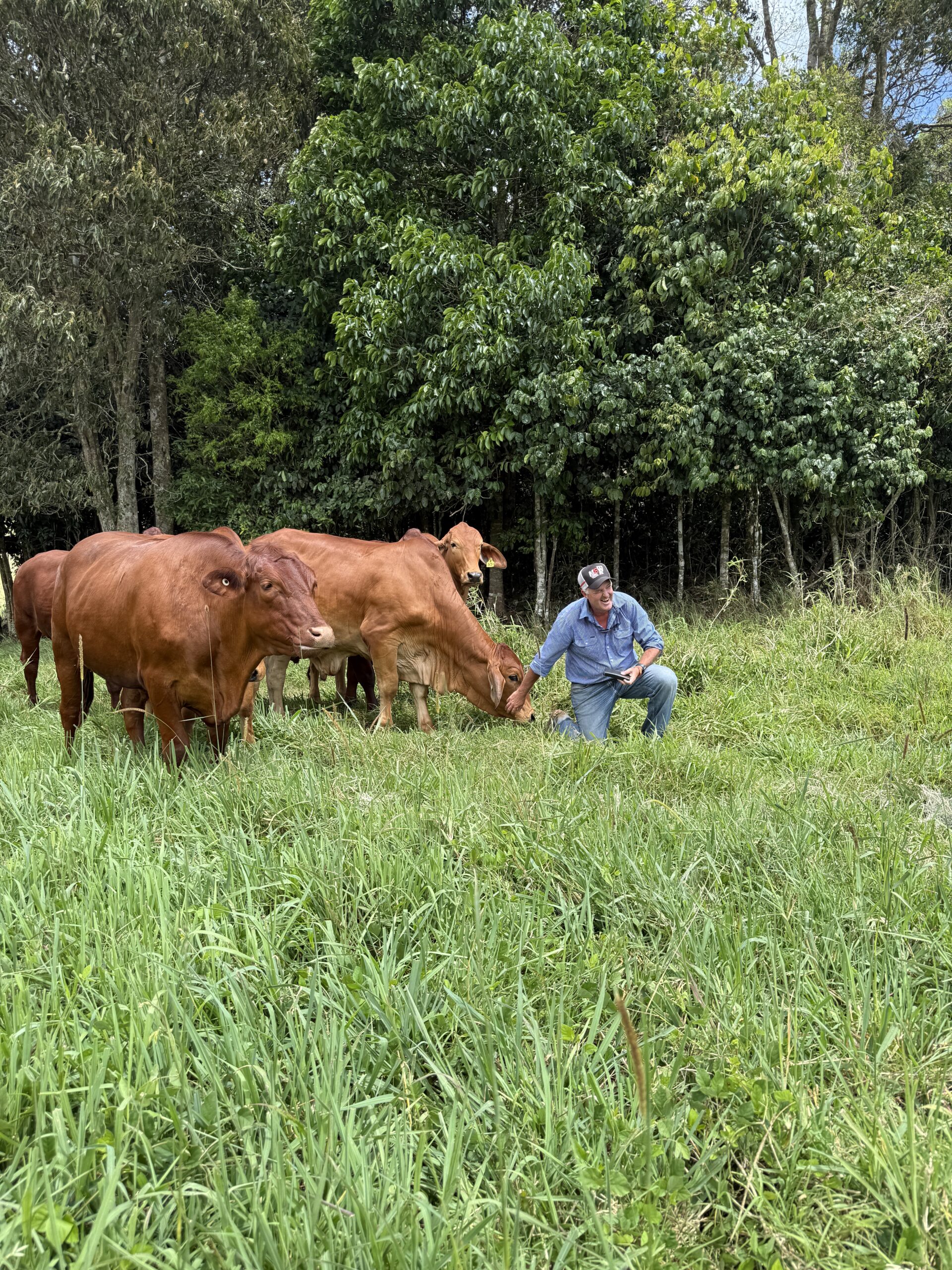
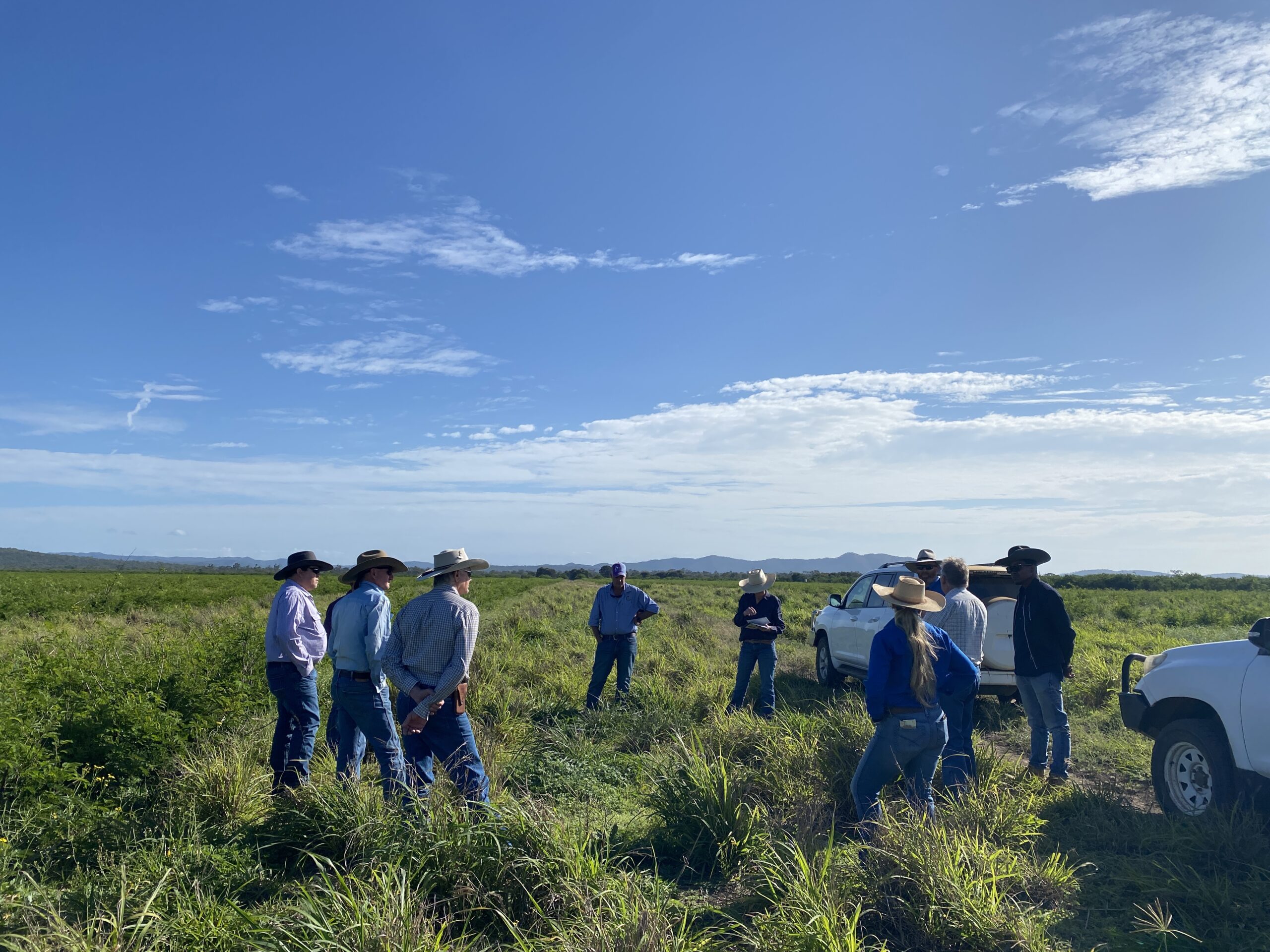
One of the biggest takeaways for me was the success of both “new” and “old” Caatinga stylo cultivars on basalt soils at Whitewater, west of Georgetown. Caatinga stylo has been one of the most understated perennial legumes in sub-tropical pasture systems for a long time, and seeing it perform in those soils reinforced why it deserves a stronger place in conversations about resilience, persistence, and diet quality.
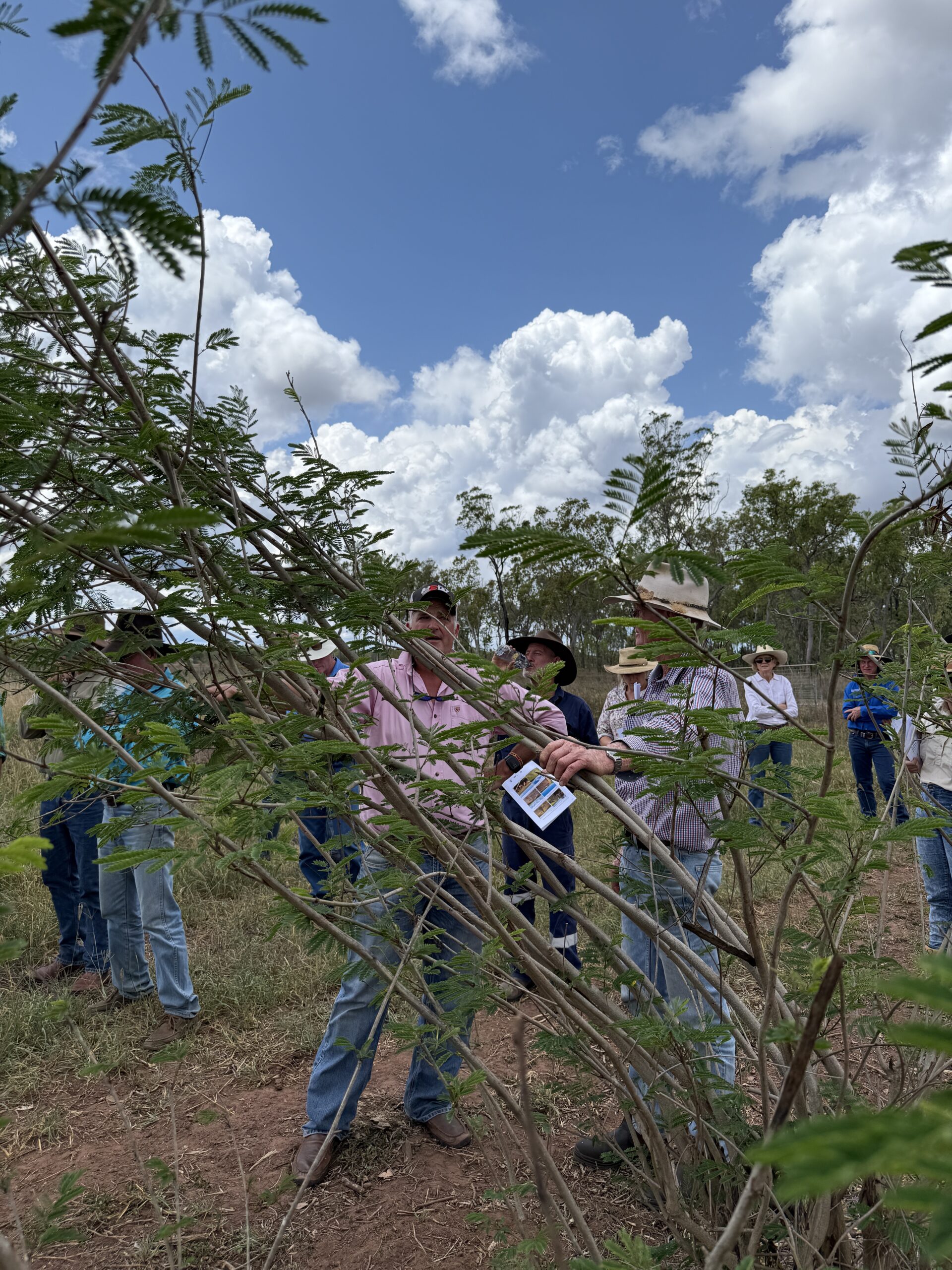
We also saw long-term performance of Redlands leucaena at Pinnarendi, and a point that really landed for me was the importance of what happens between the rows. Productive grass pastures in the inter-rows are not optional—they are critical. They provide balance in the system, lift overall feed supply and utilisation, and importantly they create competition that can help manage the risk of leucaena recruitment outside the intended row.
That’s a practical message for industry: leucaena performance is not just about the establishment year. It’s about maintaining a competitive, productive companion pasture that supports livestock performance and system stability over time.
High rainfall Brachiaria systems and the “legume question”
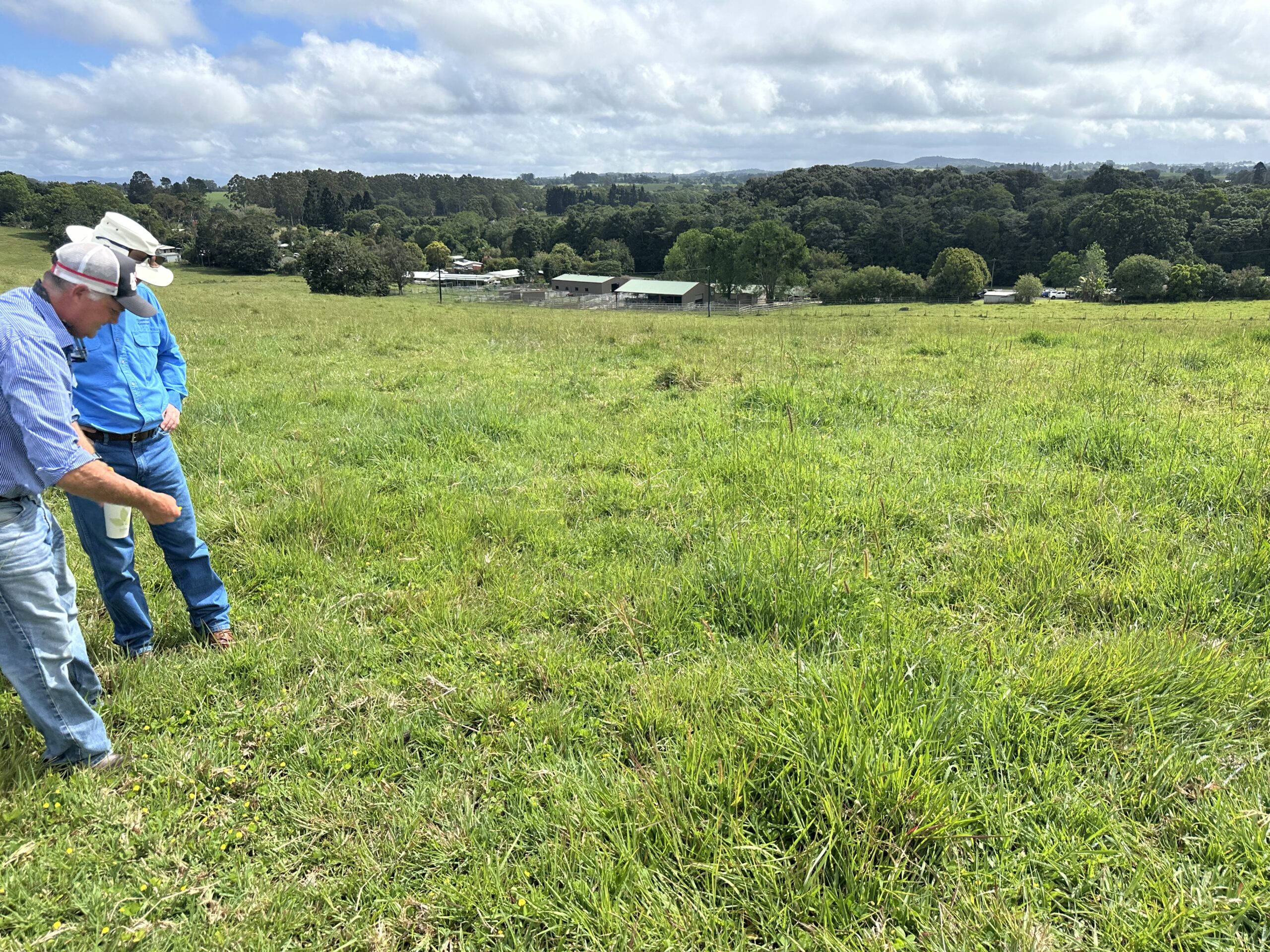
On the upper Tablelands, we visited producers operating in high rainfall, high production Brachiaria pastures. What stood out was the deliberate effort going into introducing legumes to lift diet quality and broaden resilience. It’s an area where many producers are asking the same questions:
- How much seedbed preparation is enough?
- What’s the right seeding rate to achieve a reliable plant population?
- Where is the trade-off between cost, practicality, and establishment confidence?
The consistent theme was that legumes can add real value, but success hinges on getting establishment right. In these high-production environments, there’s no shortage of biomass—but that biomass can be part of the challenge if it competes too hard with emerging seedlings. The best outcomes came from producers who were clear on their establishment approach and realistic about what they needed to do to achieve adequate legume numbers.
Walking back into Walkamin: the value of research infrastructure
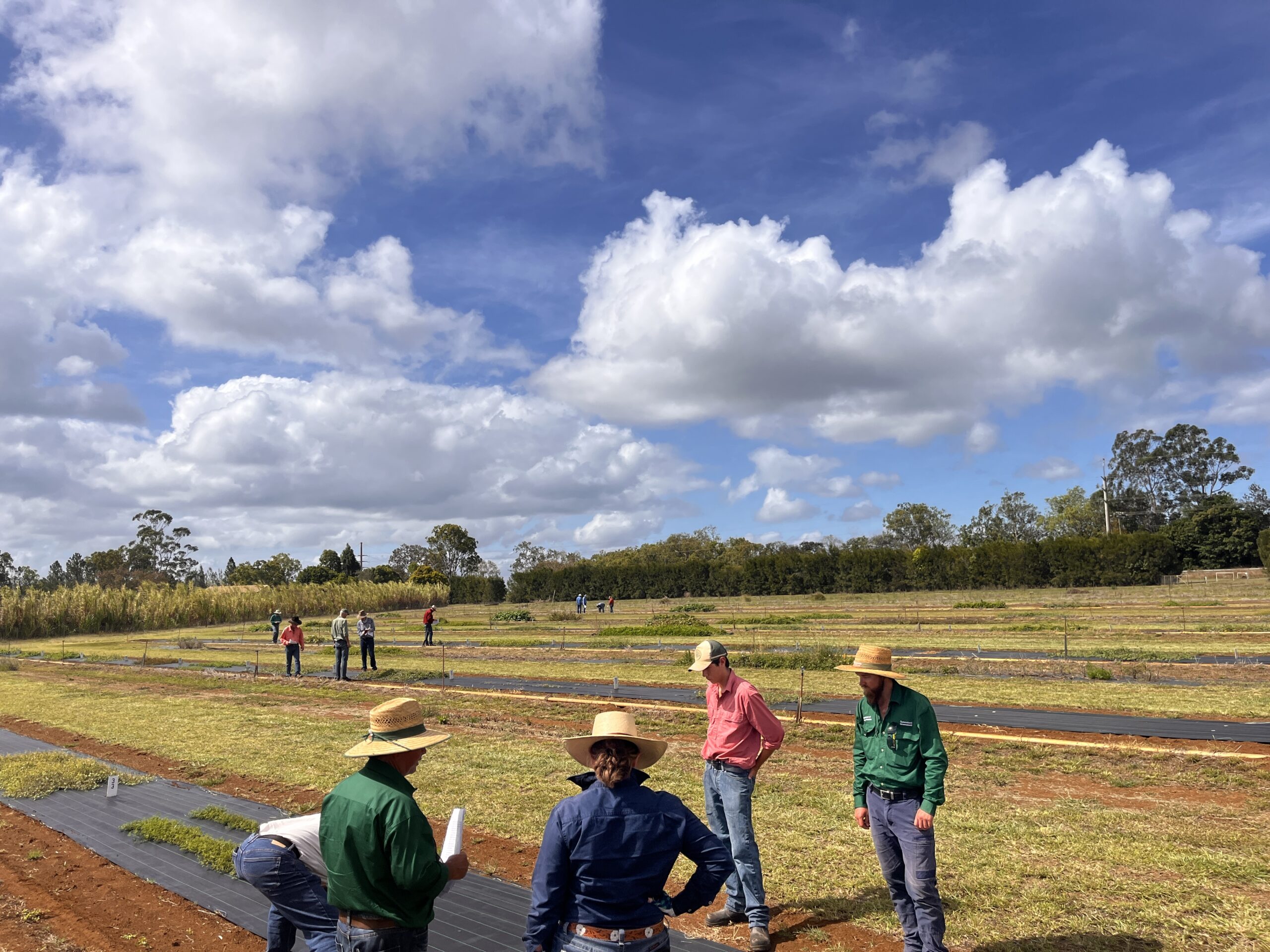
The last time I visited Walkamin Research Station was during my years in the tropical seed industry, when the facility was used for seed increase work and cultivar evaluation. Returning this time, it was genuinely pleasing to see the ongoing contribution Walkamin continues to make to the tropical pasture industry.
It also raised a confronting thought: if something was to happen to a facility like this—one that underpins evaluation, development, and confidence in pasture technologies—our whole pasture industry would feel it. Research infrastructure isn’t just “nice to have.” It is foundational to the pipeline that delivers future options for producers.
Finishing the story where it ends: seed processing and quality assurance
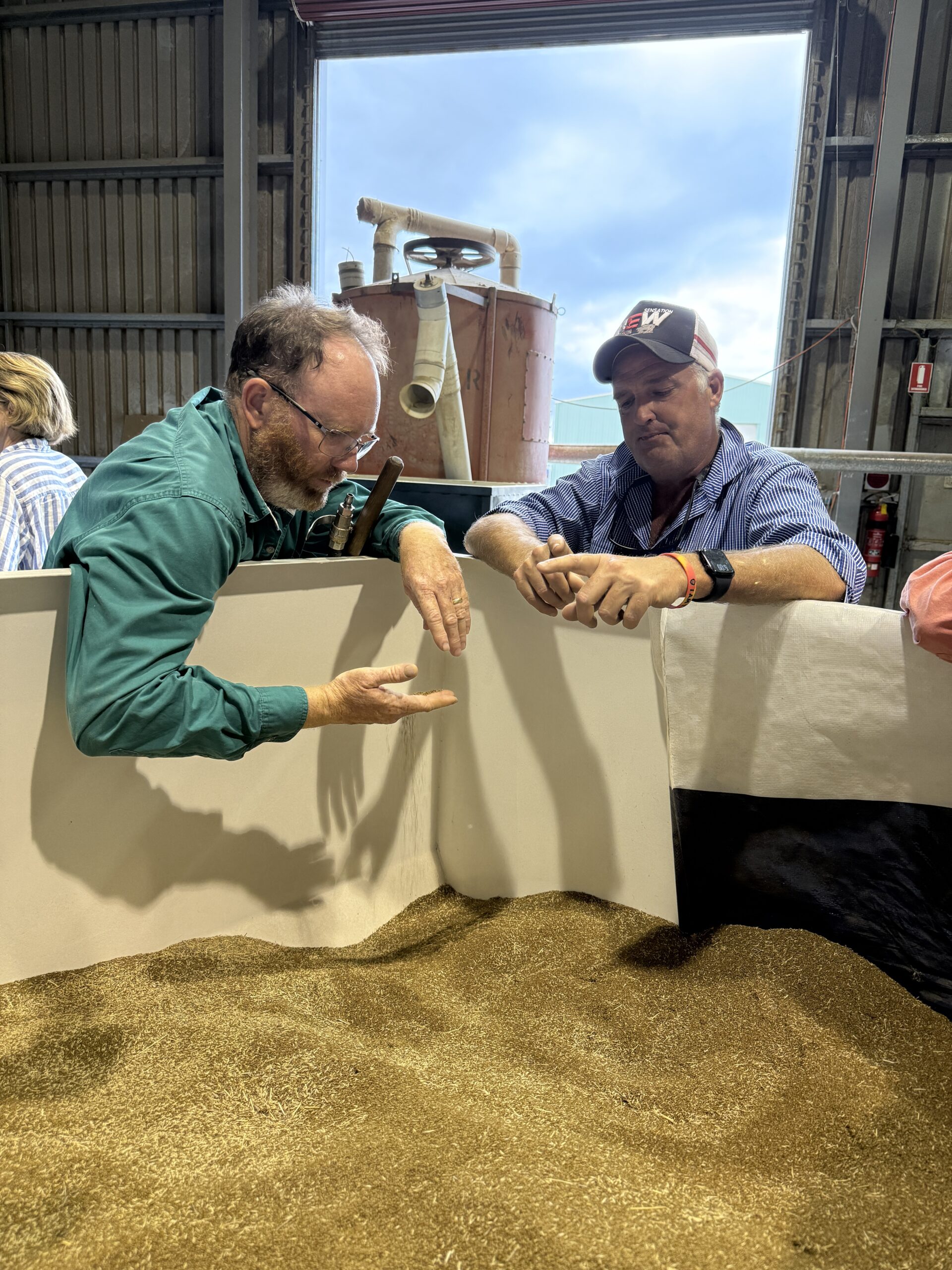
The final stop that really completed the narrative was visiting a seed processing and distribution facility. It’s one thing to talk about “seed supply” in general terms, but it’s another to see the work involved in turning a harvested line into a reliable product for producers.
Watching the progression from suction-harvested Amiga stylo—where the initial sample might be 80% dirt—through to a clean, high-quality seed line suitable for end users was a timely reminder of the hidden complexity behind every bag. The quality assurance steps, the cleaning decisions, the standards and checks—these are what protect producers’ investment and confidence.
In pasture improvement, success is rarely limited by intent. It’s limited by execution and inputs. Seed quality and processing are not side issues; they are part of establishment success.
Why governance matters and why I stay involved
I relish the opportunity to be part of QPRP governance because it allows me to do two things that matter to producers:
- Stay current with MLA-funded research outcomes so I can translate and extend that work into practical decisions for my clients; and
- Provide relevance and commercial perspective back into the research program, grounded in what we’re seeing on commercial properties and what it takes for a product or practice to be adopted at scale.
My background in the tropical seed industry—seed production, marketing, and distribution—helps me contribute a “commercial lens” that’s sometimes missing when research is designed in isolation. If we want projects to deliver economic outcomes for the whole industry, we have to think beyond the trial site. We have to consider seed availability, quality assurance, adoption barriers, and whether the recommendations are practical for producers operating under real constraints.
And that’s where the full industry loop becomes clear:
- Without productive pastures, beef producers don’t have the financial capacity to invest in improvement and build resilience.
- Without demand for seed, we don’t have a commercial seed industry.
- Without a commercial seed industry, we don’t have seed growers willing to take the risk required to produce the seed that fuels our beef industry into the future.
QPRP plays an important role because it strengthens each link in that chain—research, extension, industry relevance, and ultimately adoption. The Tablelands tour reinforced for me that resilience is not a single tactic. It’s a system: plants, soils, management, quality inputs, and a research-to-industry pathway that actually works.
Written by Ross Newman, Pastures to Prosperity
0419 200 373 ross@pasturestoprosperity.com