Vale Tommy Saunders – a champion of legume development in north Queensland
Sometimes progress requires fresh perspectives, a willingness to embrace new ideas, and a passion for sharing knowledge. Such was the case with Tom Saunders, formerly of Whitewater Station, who was a dedicated advocate for advancing pasture legumes in north Queensland. Sadly, Tom recently passed away. He had been collaborating closely with the DPI sown pastures team in Mareeba. Here, we honour and reflect on Tom’s invaluable contributions to legume development in the region.
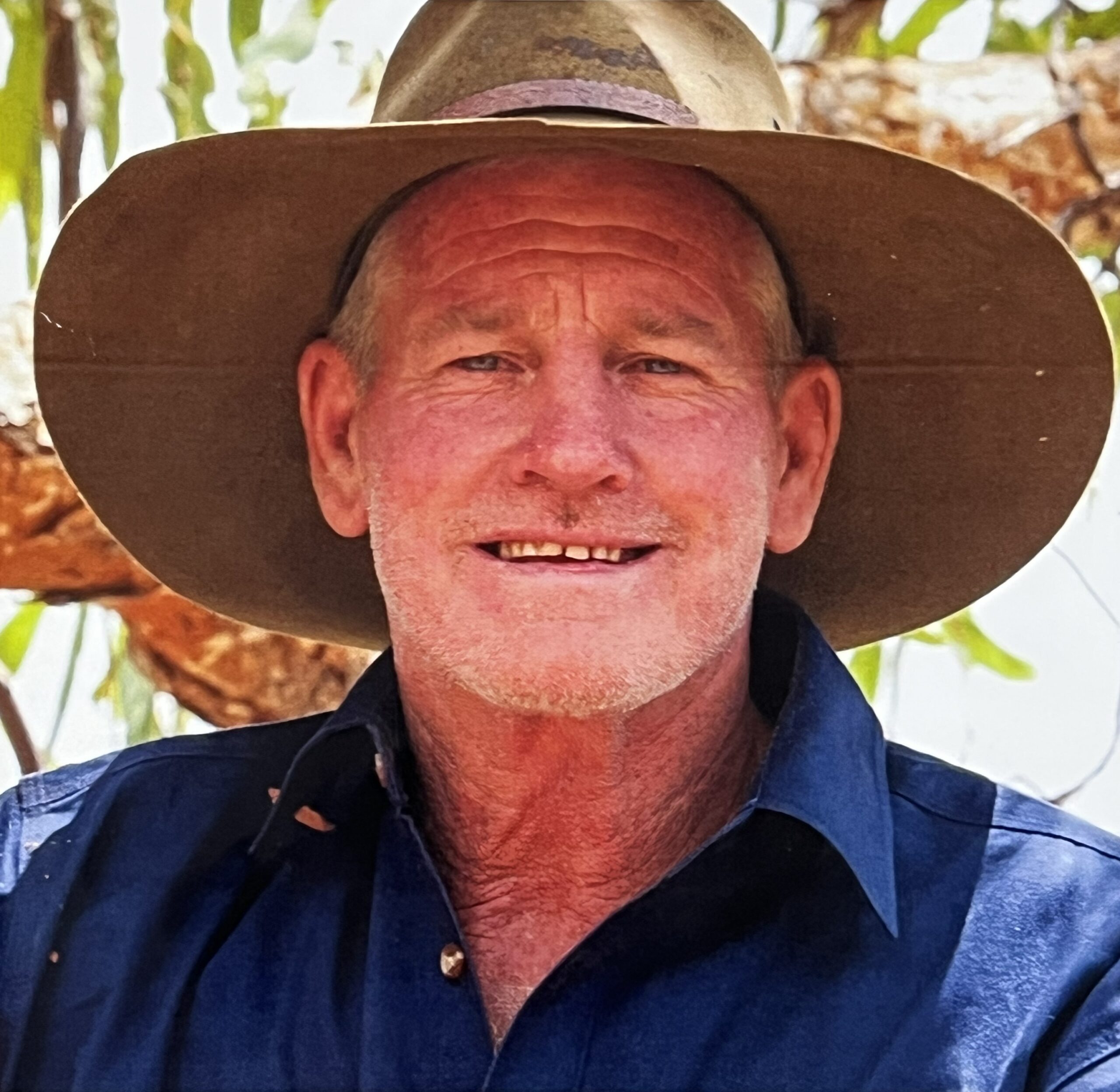
Tom, the youngest of a family of 7, grew up in WA and started his working life as a sheet metal worker. Tom was introduced to the world of beef production after meeting his wife Christine during a trip to Townsville while playing a season of AFL with his mates. Tom began his life as a beef producer when he and Christine moved to Whitewater station in 1993. With an open mind and a persistent approach, he quickly learned the skills of being a land manager. His working dogs were a passion, and he became a highly regarded trainer. Tom was deeply committed to his community, dedicating his boundless energy to local events and roles, including active involvement with the local rural fire brigade.
Tom was aware of the limitations of the fertile red basalt woodland he and Christine were managing. While they adopted the recommended weaner production practices of the time, productivity was consistently hindered by the 7-8 month dry season and occasional winter frosts, which led to poor-quality feed during the mid-to-late dry season. Determined to address the ‘protein gap,’ which was often managed with costly nitrogen supplements, Tom was eager to explore innovative solutions. He became a passionate advocate for trials focused on testing and promoting drought-tolerant legumes. This enthusiasm marked the beginning of a strong and collaborative partnership between the Saunders family and the local DPI sown pastures research and beef extension team.
Whitewater served as the site for the first on-property trials to evaluate and select the final breeding line of psyllid-tolerant leucaena, which would later be released as ‘Redlands’. Prior to ‘Redlands’, sap-sucking psyllids severely limited leucaena adoption in the humid tropics. A ‘cafeteria’ trial was run using hybrids developed by UQ to observe cattle grazing preferences as a measure of palatability prior to release. This was followed by plantings of ‘Redlands’ at Whitewater, which has since been adopted across the wet tropical coast, hinterland and the northern Gulf region. Tommy remained deeply passionate about the adoption of leucaena, spending countless hours in the leucaena paddocks. Often, he was joined by other producers and researchers, discussing its benefits and strategies for optimal management. Collaboration with other MLA/DPI trials continued in 2014 with the testing of a range of grasses and legumes in the ‘Progressing promising pastures’ projects. What began as small-scale plot studies of individually planted grasses and legumes evolved into larger studies of grass+legume combinations for ‘production paddocks’. The mature plantings at Whitewater now serve as demonstration sites for field days, where producers and industry gather to discuss the results and relevance to their own properties. The results have since been presented at both Australian and International conferences.
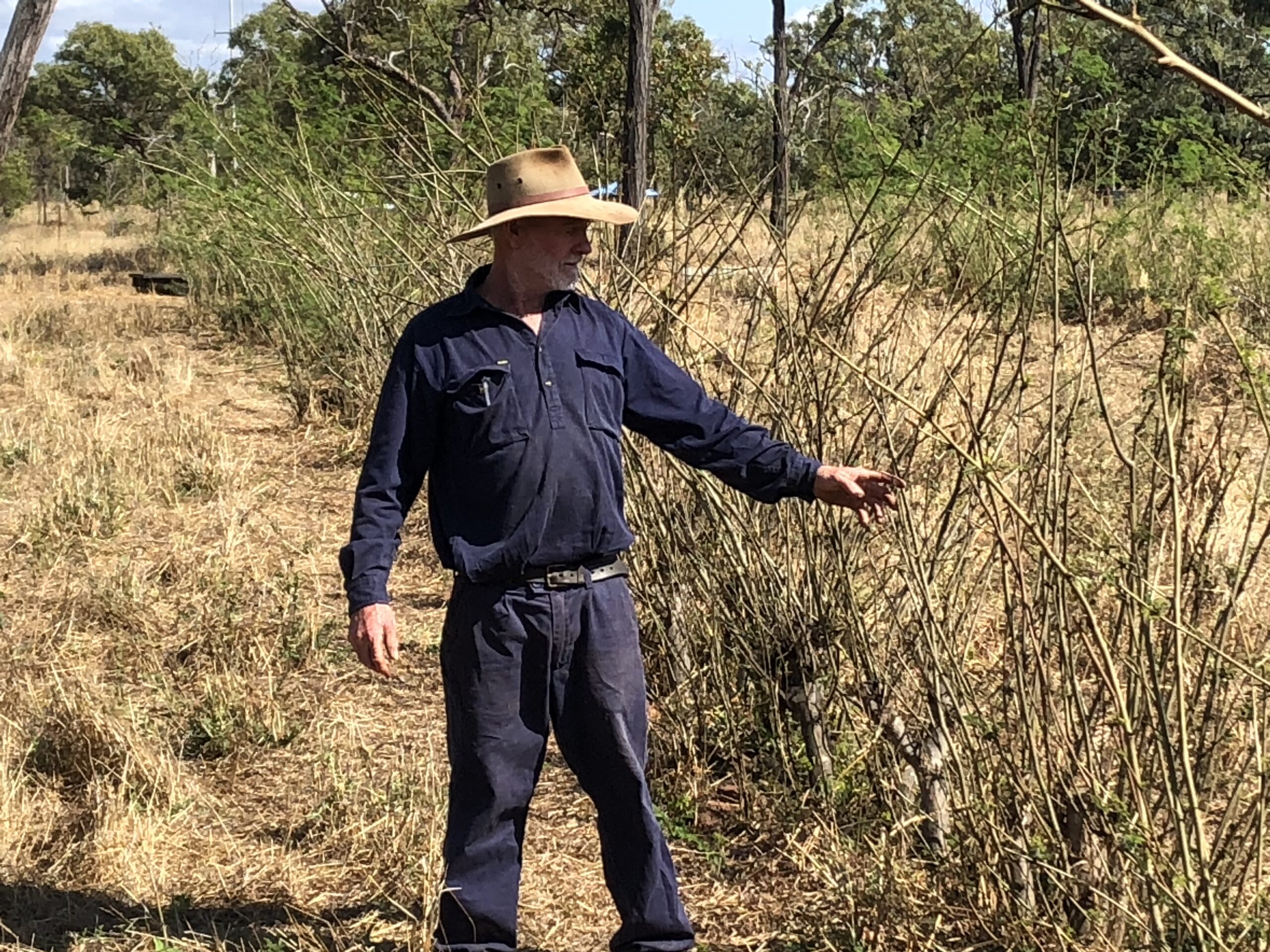
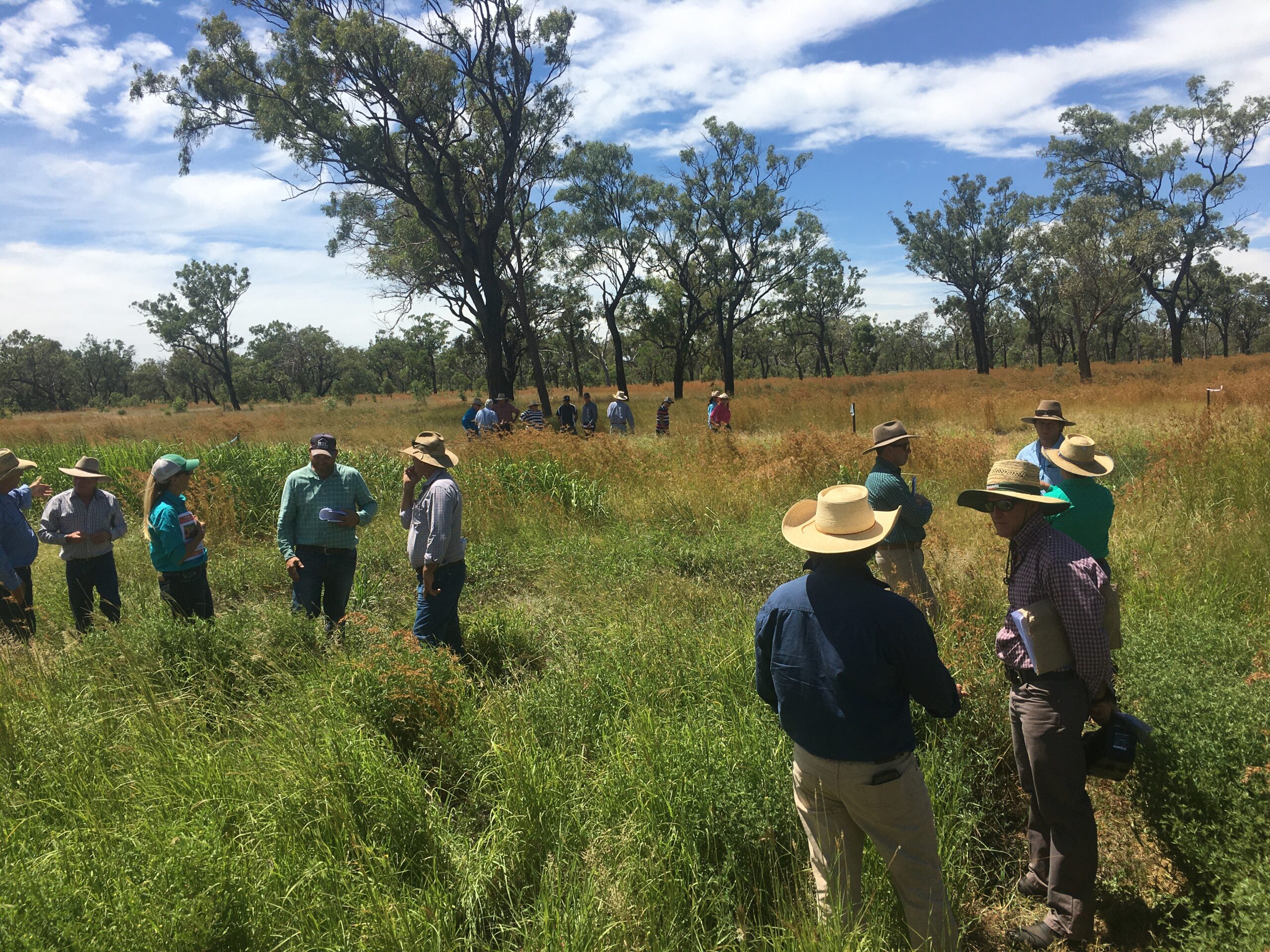
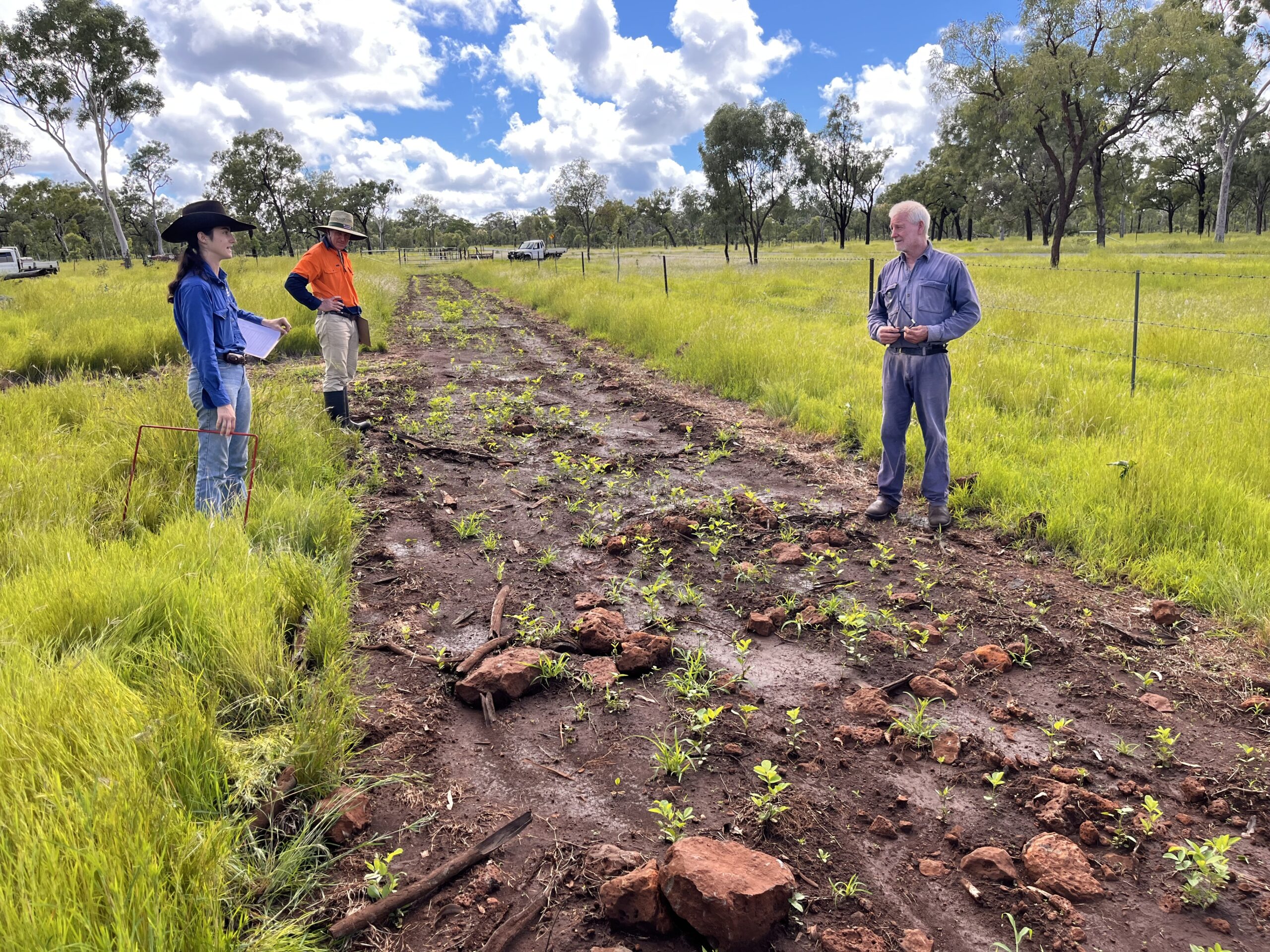
It was about 2020 when Tommy and the DPI team began talking about how to get legumes into the Indian couch dominated pastures on the red basalt woodland. The earlier trials had shown the Caatinga and shrubby stylos and butterfly pea were persistent in spell-grazed Indian couch pastures, but establishment had historically been a problem due to the competitiveness of the existing pasture and of the rugged nature of the rocky basalt country. Tom was a strong advocate for weighing animals to “truly achieve meaningful results”, which led to the opportunity to establish a replicated grazing trial through the Queensland Pasture Resilience Program. The trial’s setup was a true collaborative effort, involving extensive discussions and careful planning. This resulted in the design of a 100-hectare, six-paddock trial to compare the effectiveness of using cultivated strips against the traditional method of fire and broadcasting seeds. Tom took on the task of organising the necessary infrastructure for the project, starting from scratch on the Greenfield site. He spent countless hours at the site – he could see the potential and was keen! The site was finally sown in the 2024-25 summer with Tommy operating the tractor for cultivation while the DPI team handled the spraying, sowing and rolling. The results have been amazing with rapid establishment and legume strips ready for grazing by July of the same year.
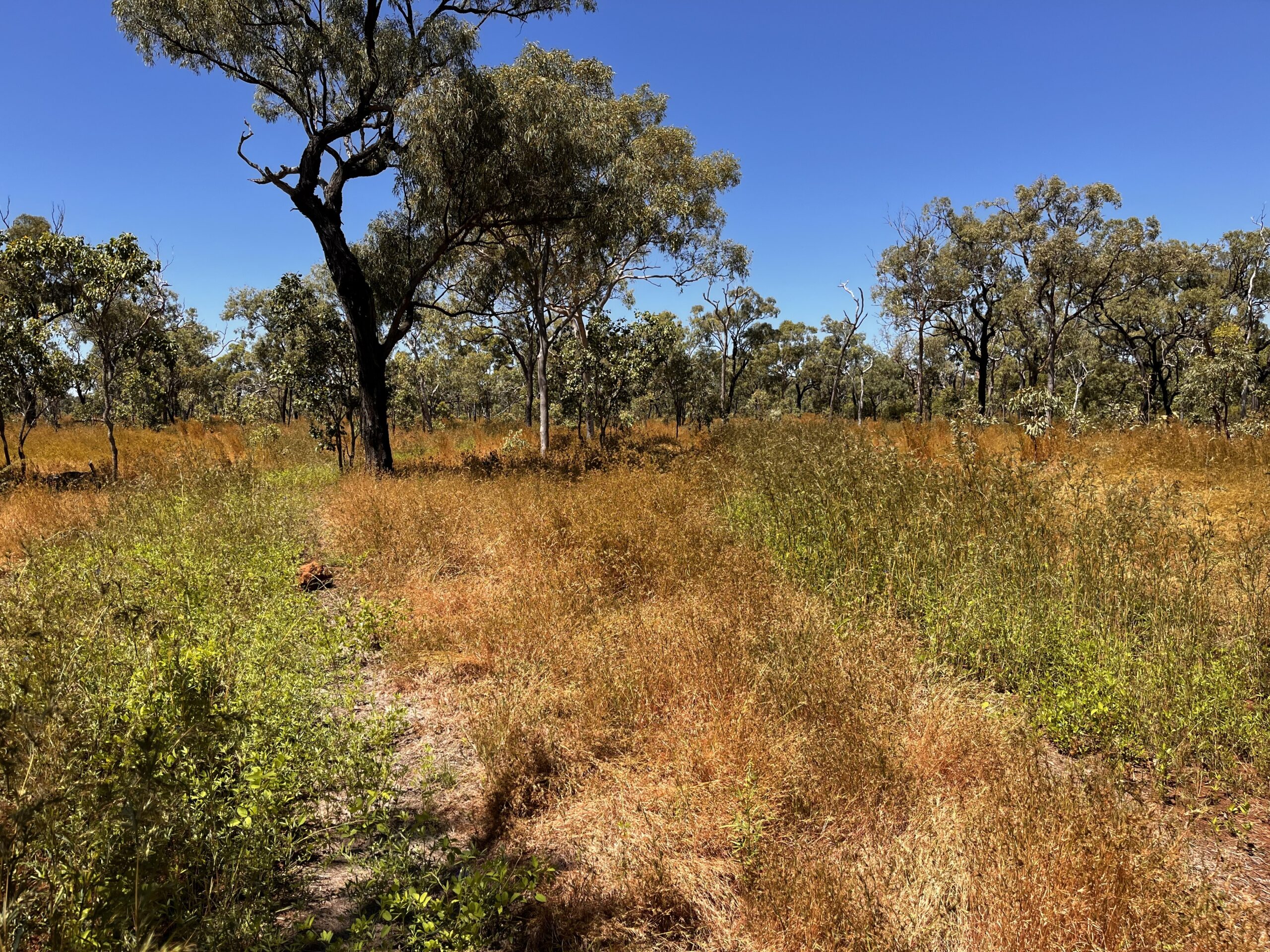
Tragically, it was during this time that Tommy was diagnosed with cancer—a battle he fought courageously and overcame, allowing him to return home to Whitewater and his family. He had only just started getting back out into the paddocks when he suddenly fell ill and passed away on 23 October 2025. A large funeral was held at the homestead on Whitewater, and Tommy is now laid to rest on the property near to his leucaena. Tom is survived by his wife Christine, his daughter Kara, her husband Aaron and grandkids. He is profoundly missed by his family, friends, and all of us at the DPI who had the privilege of working closely with Tom over many years. Tommy truly embodied the qualities of a champion, as well as a dedicated community and family man. Vale Tommy Saunders.