Virtual fencing for beef producers
Key takeaways
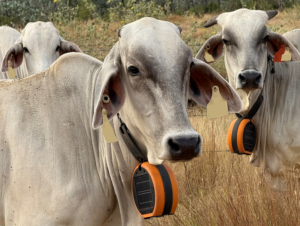
- Virtual fencing uses GPS-enabled collars and audio cues to contain and guide cattle without physical internal fences.
- Training is essential. Most cattle will respond to the audio cue alone within a few days to a week.
- Virtual fencing can improve grazing control, pasture utilisation and mustering efficiency.
- Research shows animal welfare outcomes are comparable to conventional electric fencing when systems are used correctly.
- The technology is legal across Australia, but approved systems differ between states and territories. A physical boundary fence is still required.
Fenceless possibilities
Managing cattle across large paddocks is a common challenge for beef producers in northern Australia. Internal fencing is expensive to install and maintain, and large paddocks can make it difficult to control grazing pressure and protect sensitive areas such as riparian zones.
Virtual fencing offers an alternative approach to internal fencing, allowing cattle movement to be managed by GPS-enabled collars. Virtual boundaries are created via a mobile or web-based app, all without the need for additional internal fencing.
Virtual fencing can be used to:
- Exclude cattle from sensitive or degraded areas
- Adjust grazing patterns in response to seasonal conditions
- Improve pasture utilisation and rest heavily grazed country
- Allow calves to creep feed fresh pasture ahead of adult cattle
- Assist with mustering
Commercially available systems include the eShepherd (developed by CSIRO, commercialised by Agersens, now owned by Gallagher) and Halter, used across both beef and dairy enterprises.
System setup
The system typically requires 3 main components:
- GPS-enabled smart collars that track each animal’s position and movement. Collars include safety features such as breakaway points and are designed for long-term use. Some virtual fencing companies have incorporated solar panels into the collars, which removes the need to change collar batteries.
- Connectivity network. Collars communicate via mobile networks, satellite systems or base stations, depending on location and company supplying the collars. In undulating or heavily timbered country, additional infrastructure may be required for full paddock coverage.
- App or web platform used to set and adjust virtual boundaries, monitor cattle movements and receive alerts. System safeguards prevent boundaries being set too small or without access to water.
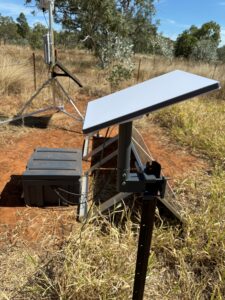
Virtual fencing connectivity infrastructure: Starlink hardware (foreground) and the Gallagher tower. This network allows virtual fencing collars to communicate with users’ app or web platform. Photo: NT Department of Agriculture and Fisheries.
How virtual fencing works
When an animal approaches the virtual fence line, the collar delivers a sequence of cues:
- An audio warning tone is delivered as the animal approaches the boundary.
- If the animal continues forward, a short electrical stimulus is applied (around 1 second).
- If the animal turns away, no stimulus occurs.
Cattle learn to associate the audio cue with the need to turn back, meaning the electrical stimulus is used less frequently once training is complete.
Collars include built-in safety features to prevent excessive stimulation. For example, if an animal receives multiple stimuli within a short period, the collar will temporarily deactivate and alert the producer via the app.
Many systems also monitor behaviour, generating alerts if animals show prolonged inactivity or abnormal movement patterns, such as unusual or erratic movement. If this happens, the stimulus component is temporarily deactivated while tracking continues until the animal returns to normal movement.
Training cattle to virtual fences
Training is essential for successful use of virtual fencing and is a requirement under most regulations.
As there is no physical barrier, cattle need to be trained to understand the virtual boundary. Training protocols vary for each company but are generally completed in a paddock the cattle are familiar with. A simple, single virtual fenceline is used initially, often overlaying an existing physical fence.
Most cattle show clear learning within a few days, are will reliably respond to the audio cue alone within several days to a week. After this time, more complex fencelines and locations can be used. Animals should be monitored closely during training, and any individuals not adapting to the system (i.e. consistently receiving electrical stimulus after every audio cue) should be removed from the mob.
Cattle also learn by observing how others respond to the boundary, with some having fewer interactions with the fence than others. Because of this, it is recommended that all animals in a mob are fitted with collars to ensure consistent behaviour.
Research shows cattle retain memory of the virtual fence cues over extended periods, even after long breaks without wearing collars. Importantly, cattle respond to the collar cues rather than remembering fence locations, allowing them to readily graze newly available areas when boundaries are moved.
Animal welfare considerations
Animal welfare has been central to the development and regulation of virtual fencing.
The key principle is that once trained, cattle can avoid the electrical stimulus by responding to the audio cue. This gives animals control over their interaction with the system.
Research comparing virtual fencing with conventional electric fencing has found:
- Similar grazing behaviour and paddock use
- No significant differences in stress indicators
- Minimal impacts on activity, with small differences within normal ranges
Built-in collar safeguards further support welfare by limiting repeated stimuli and alerting producers to potential issues.
Collar management
Correct collar fit is important for both animal welfare and system performance.
Key points:
- Collar fit should be checked every 4-5 weeks for growing animals.
- For adult cattle, inspect at key body condition change periods such as post-calving.
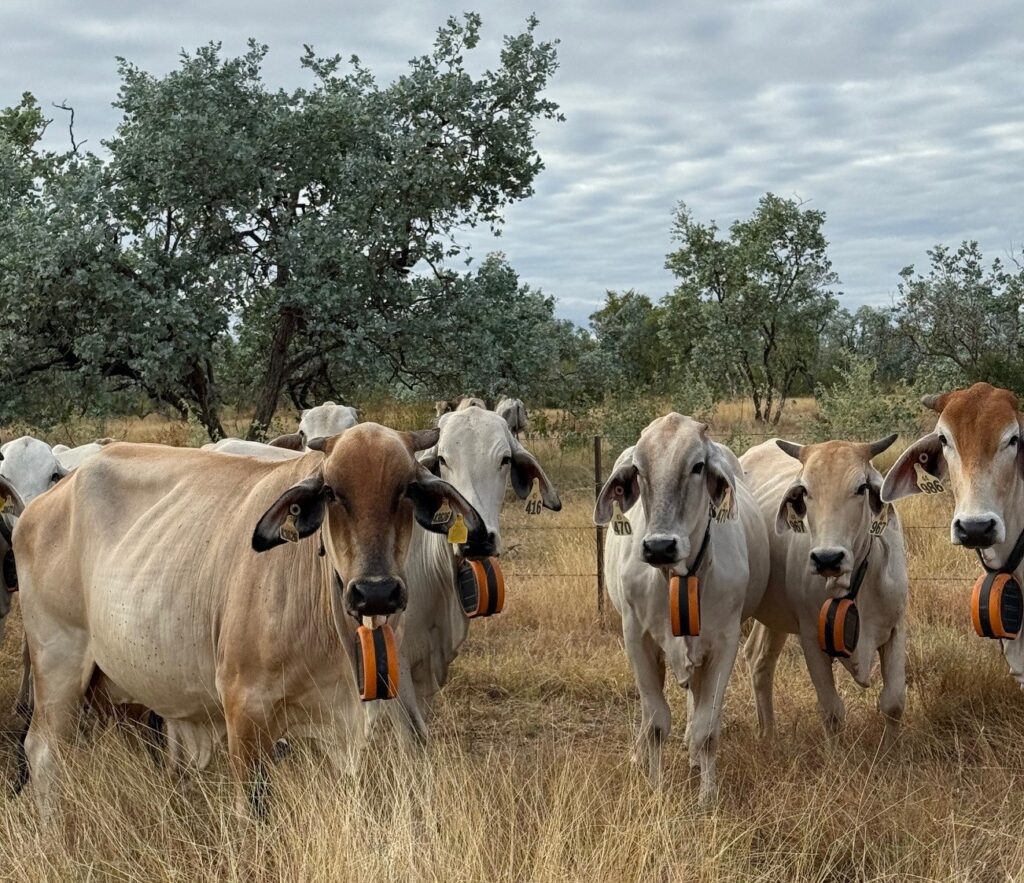
- A closed fist should fit comfortably between the collar and the top of the neck when the animal’s head is in a neutral position.
- Collars are not to be fitted to calves or animals under 6 months or less than 200kg.
Regulatory requirements in Australia
Virtual fencing for cattle is legal across Australia, but conditions vary between states and territories. For example, eShepherd is the approved system in Western Australia while Halter is approved in Victoria. There are no brand-specific restrictions in Queensland or the Northern Territory, provided systems are used according to animal welfare requirements.
Most jurisdictions require:
- Use of an approved system
- Limits on electrical stimulus
- Producer training in correct system use
- Cattle to be over six months of age or more than 200 kg
- A physical boundary fence to remain in place — virtual fencing applies to internal paddock management only
Check with your relevant authority for current approvals before adopting the technology.
Getting started
If you’re considering virtual fencing, keep the following in mind:
- Virtual fencing requires upfront investment, reliable connectivity and ongoing monitoring, particularly during the training phase.
- Fit collars to all cattle in the mob.
- Allow at least a week for training and monitor individual responses.
- Remove animals that do not adapt to the system.
- Keep pasture supply adequate during and after training. Cattle with limited feed availability are more likely to test boundaries.
- Consider terrain and connectivity requirements. Remote or heavily timbered country may need additional base stations or satellite connectivity.
- Physical boundary fences are still required. Virtual fencing can’t replace boundary fencing under current regulations.
More information
Australian Government animal welfare task group to assess the animal welfare of virtual fencing →
Virtual fencing project in the NT →
CSIRO’s research and development of virtual fencing →
NQ Dry Tropics and DPI’s project ‘Virtually Fence Free’ conference presentation →