From online to on-ground: legume establishment success
Chris Black, a beef producer based north of Gympie, manages 470 acres of diverse soils and rolling topography. He saw the potential to diversify his pasture mix and elevate feed quality year-round but wasn’t quite sure where to begin. After years of operating a breeding herd, Chris recently pivoted to backgrounding—a change that brought both challenges and opportunities.
One of Chris’s key goals was boosting productivity for growing cattle, by improving the composition of his pastures. Pasture development wasn’t something he had any previous experience with, but the DPI’s ‘online legume group’ changed that.
‘An old new learner’ embraces change
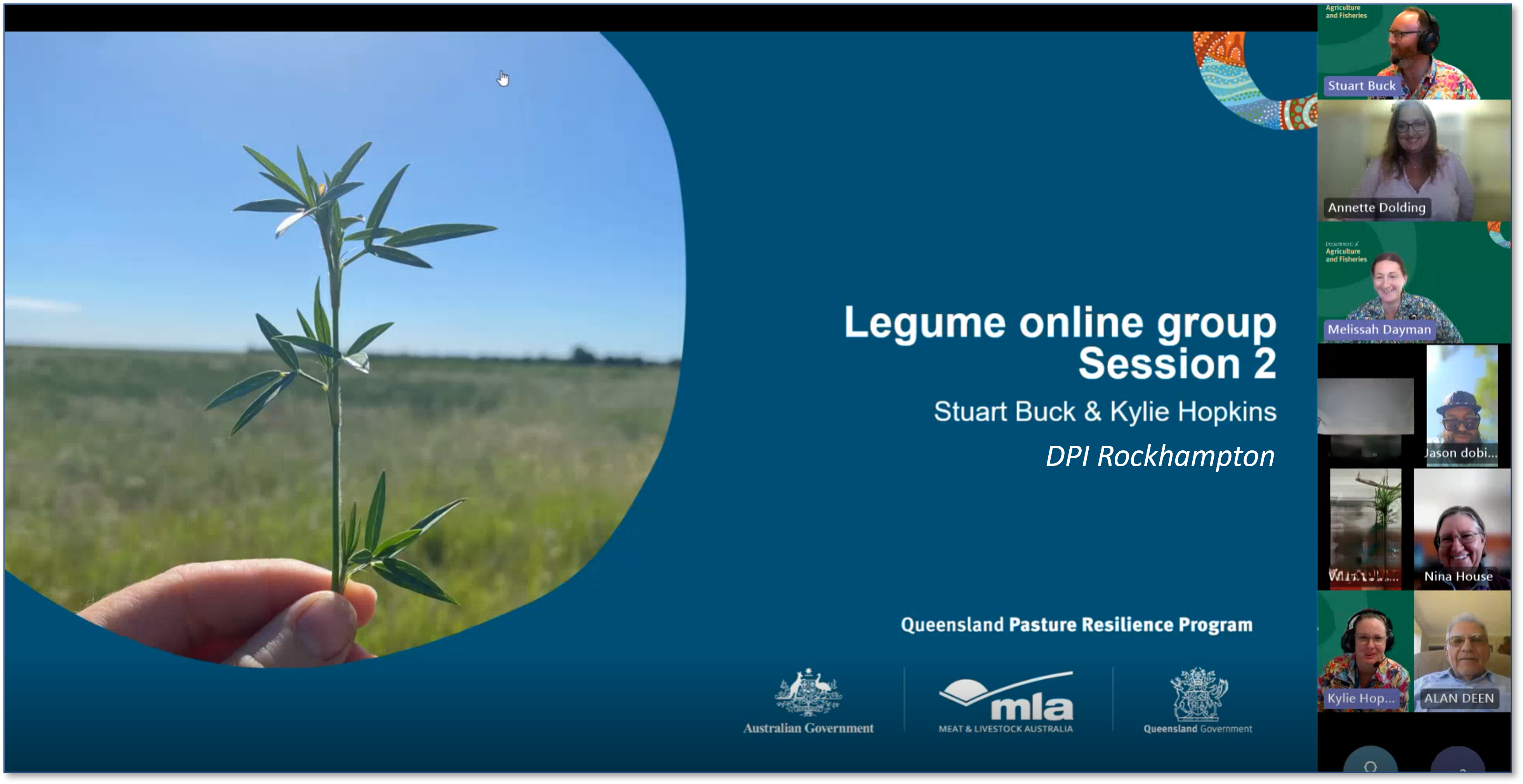
A shift in the business’s management structure gave Chris a new challenge: to upskill in pasture renovation and grazing land management. Always a forward thinker and motivated by lifelong learning, he sought practical advice to make his property more productive. It was at the Brian Pastures Research Facility field day that Chris encountered Kylie Hopkins from the DPI’s CQ Pastures team, who spoke about the benefits of incorporating legumes into pastures. Chris saw an opportunity and seized it, signing up for an online producer group to learn the best methods for legume establishment.
“Our property had signal grass sown 10-15 years ago and whilst it is great at choking out GRT and other weeds, it has become a monoculture over time. It is quite productive but can struggle a bit in the winter. I wanted more diversity in the pasture with some perennial legumes, but I had no experience with pasture development. Our farm manager had always handled that, so it was my time to learn the process,” he said.
For Chris, the online delivery was a game-changer, enabling him to learn without needing to travel or step away from the farm. While transitioning to online learning and technology had its hurdles, he found it rewarding.
“The mix of ages and experience in the group was great,” Chris noted. “The timing of the sessions were in line with what we should be doing in the paddock, which allowed me to apply what I learned in real time. I could report back to the group each session with what I had done and hear from other people about their progress too.”
Taking action: introducing legumes for lasting impact
A key part of this was developing a legume establishment action plan. The plan, developed with support from the DPI team, provided Chris with a clear strategy tailored to his property’s unique soil types and climate.
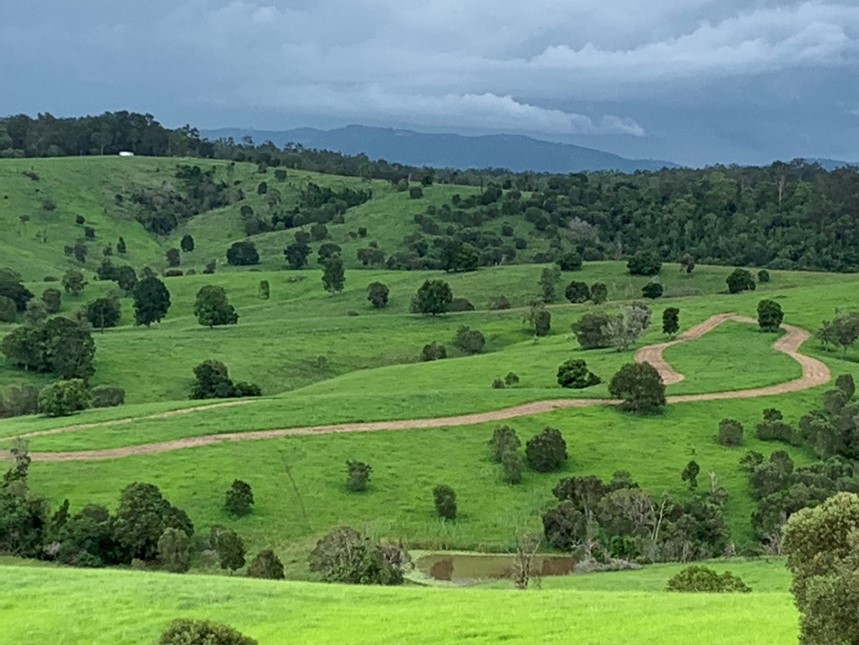
“Because the signal grass was so strong across the property, I decided to plant some new grasses and legumes using a strip method. I could keep lots of the good signal grass but try and replace it in strips. Usually strips are done across a paddock, spaced evenly, but we have quite slopy country and I was worried about erosion, so we made our trial ‘strip’ around the top of the hills in a paddock. We called it the ‘race track’ because that what it looked like from a distance.”
“We started by doing a soil test to determine if we needed to fertilise. We didn’t, which was great, we would not have known if we did not test.”
“Then we slashed the ‘race track’ to mark out the area we were working on. We decided to use a chemical fallow, to avoid soil disturbance that could lead to erosion. We are in a high rainfall environment so I was worried about receiving a large downpour on bare soil on a slope. Once the grass shot back after slashing, we sprayed it with herbicide three times in late spring – early summer 2024.”
“Those sprays with herbicide killed the grass every time it came back, meaning whenever it rained, we were storing that rain in the soil ready for our planted seeds.”
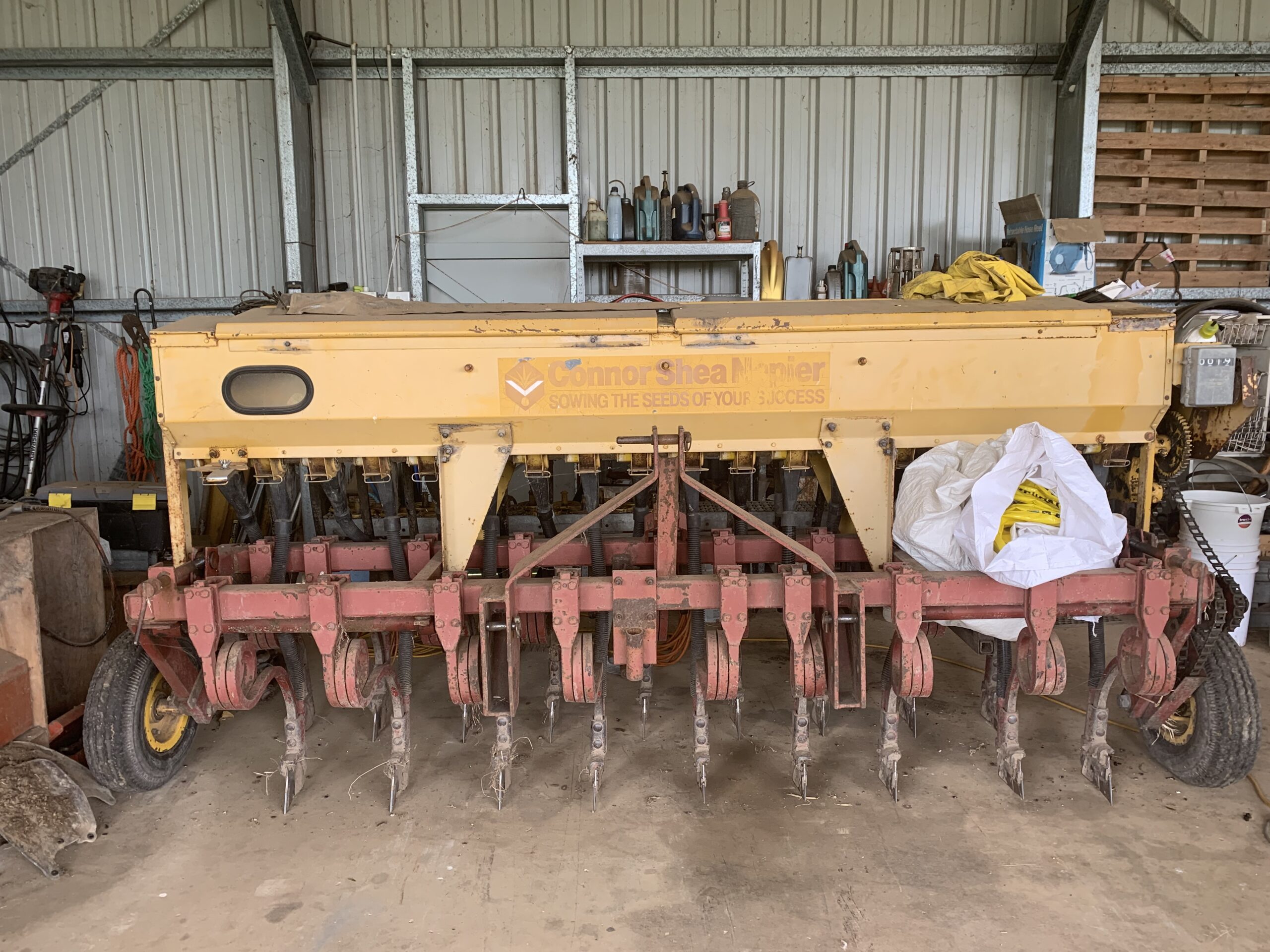
“We used a Connor Shea 6-foot direct drill planter to put our seed a few millimetres under the soil at a time when we knew we had a good chance of follow up rainfall. We pulled a chain over the soil after planting because we didn’t have a roller to press the top of the soil and mulch layer to the seeds.”
From little learnings, confidence grows
A year after the process started, Chris reflected on the success of his first foray into pasture development.
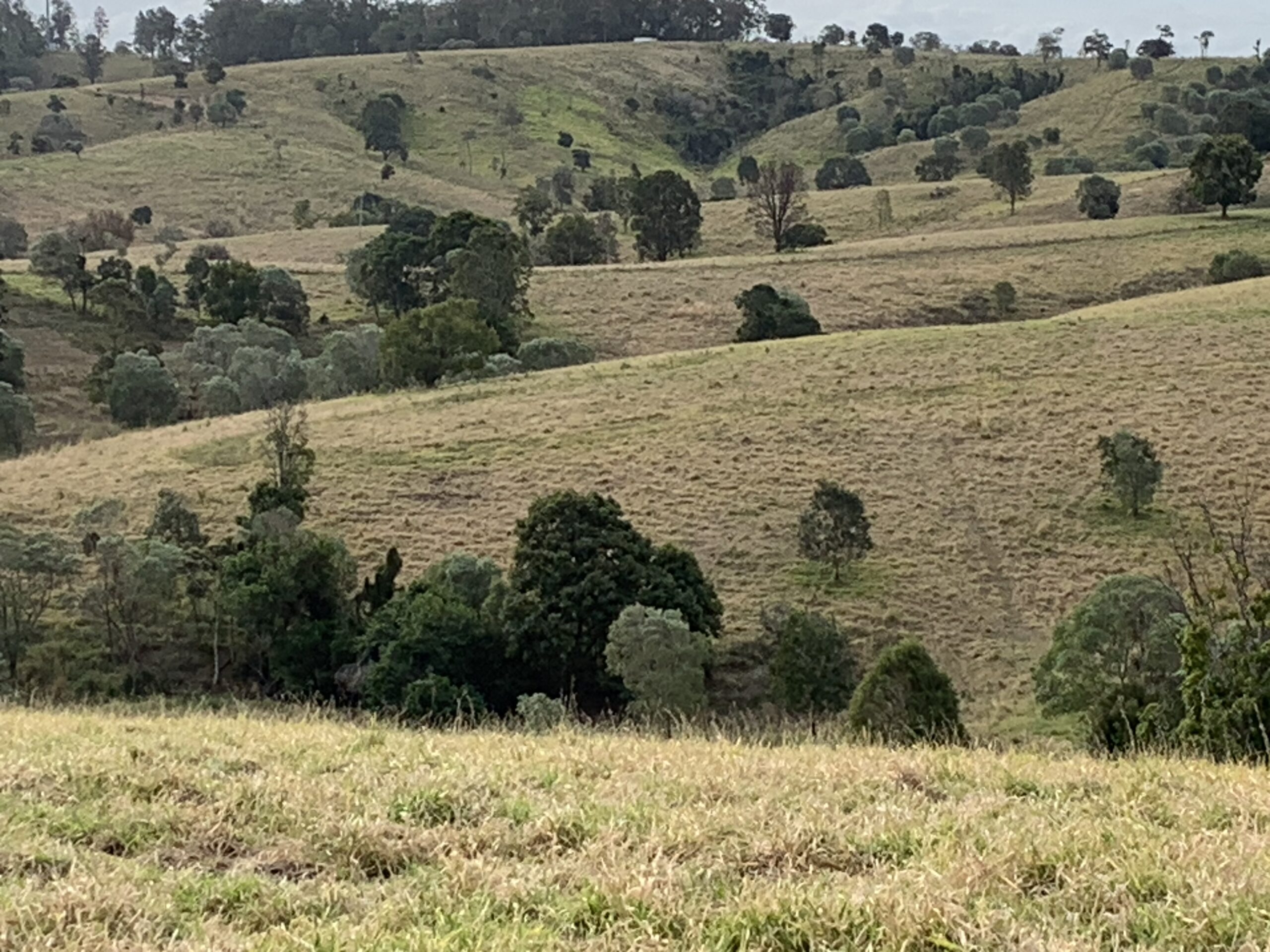
“I can still see the ‘race track’ on top of the hill from a distance – it is a different colour. In that strip I now have butterfly pea, desmanthus and stylos growing happily with the signal grass. I have also noticed that the cattle graze there more. That really shows me that getting legumes into these signal grass paddocks will be good for the cattle. After trialling the process last summer, I have plans to have another go this year, with some improvements.”
“Next time, I’d definitely implement a longer fallow and wait for better regrowth before spraying. I will probably do wider strips too. I need to have a bigger knockdown of the signal grass to make it less competitive with the new seeds I’m sowing. I am also hoping to make or buy a roller, to use behind or after the seeder. I plan to prepare an area that can be easily fenced, so I can control the grazing after sowing, because the cattle love grazing the new areas so much”
One of Chris’ biggest learnings was around species selection and buying high quality seed.
“It was harder than I realised to buy seed with good germination. I will shop around next time to find the best seed for my money. Before joining this group, I would not have even thought to check a germination report. Now, I know how to do this and I also know which species will grow on my country.”
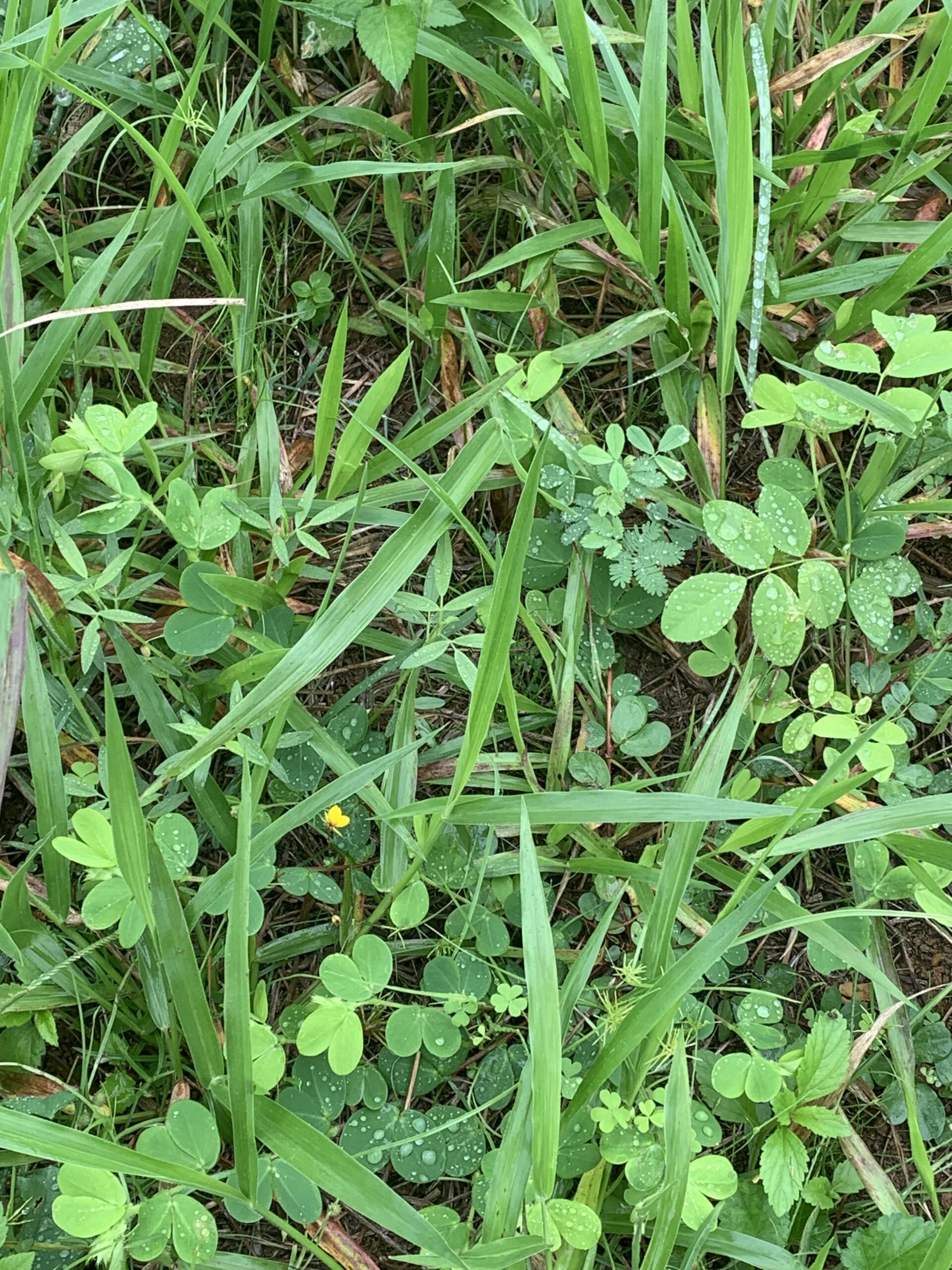
Chris’s journey didn’t just involve planting legumes—it transformed his confidence and ability to implement pasture management strategies.
Chris’s newfound skills and confidence in pasture management have sparked long-term changes in how he approaches his business. Chris’s journey proves that it is never too late to learn or adapt. By embracing technology and seeking expert advice, he has made meaningful progress towards improving his operation—and made a few friends along the way.
The DPI’s online legume group was an initiative of the FutureBeef project and facilitated by Melissah Dayman. Technical expertise were provided by Stuart Buck and Kylie Hopkins from the Queensland Pasture Resilience Program – a partnership between the Department of Primary Industries, Meat & Livestock Australia and the Australian Government through the MLA Donor Company.