Giving new staff the best start: what producers can learn from the Aboriginal Pastoral Academy
Key takeaways
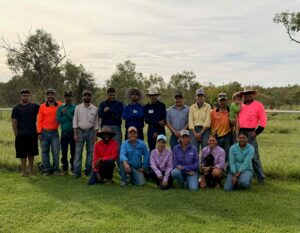
- Good staff often leave workplaces, not the beef industry
- New staff are more likely to stay when they have clear expectations, regular check-ins and a mentor
- The Aboriginal Pastoral Academy model shows how preparation before placement and support after placement can improve staff retention
- Producers can use the model on their own property or contact the Kimberley Pilbara Cattlemen’s Association (KPCA) about employing Academy graduates.
Good staff need a good start
Good staff don’t always leave the beef industry. Often, they leave a workplace.
For northern beef businesses, attracting workers is only part of the challenge. Helping new staff settle into station life, understand expectations and build confidence early is what improves long-term retention.
MLA research into attracting and retaining staff in the pastoral livestock industry found employees are more likely to leave an employer than leave the industry. The same research found managers play a key role in keeping staff engaged and employed.
When a new worker leaves early, the cost goes well beyond wages. Recruitment costs, training time, lost productivity and added pressure on existing staff all affect business performance. Animal welfare and day-to-day operations can also suffer when teams are short-staffed or inexperienced.
Good onboarding improves the chance they stay and contribute long-term.
Adapting to station life
Many new workers entering the beef industry are stepping into remote work, physically demanding jobs and unfamiliar workplace environments for the first time.
Often, the issue is not motivation or lack of practical skill, but unclear expectations, limited support or difficulty adjusting to station life.
This can include:
- managing routines and time
- understanding workplace culture and responsibilities
- handling conflict and problem-solving
- knowing who to ask for help without judgement.
Without support, these small challenges can quickly become frustrations for both the employee and employer, especially during the first few months on station.
The Aboriginal Pastoral Academy: a workforce model that works
The Aboriginal Pastoral Academy (APA) is a workforce development initiative that helps Aboriginal job seekers prepare for careers in the pastoral industry.
One component of the Academy is a six-week pre-employment training program designed and delivered by Chongy and Gina Howard of HGH Contractors, drawing on decades of experience in mentoring and pastoral employment.
The program is hosted on Aboriginal-owned pastoral properties in WA and the NT, including Mistake Creek Station on the NT-WA border. The ongoing commitment of Mistake Creek’s Traditional Owners is central to the program’s success, giving participants firsthand experience of station routines, responsibilities and life on a remote cattle station; skills that can’t be learnt in a classroom.
Over six weeks, participants complete training in:
- livestock handling and animal welfare
- horsemanship and stock work
- fencing, water infrastructure and machinery maintenance
- workplace communication, teamwork and routine
- personal responsibility and workplace expectations.
Horsemanship and stock handling are key components of the program. Many participants begin with limited experience handling large animals and lack the confidence needed to work safely around horses and cattle.
Gina said the horsemanship component is often where participants experience some of the greatest growth in confidence and self-belief.
“Fear factor is the biggest one,” said Gina.
She said many participants emerge from the horsemanship training with greater confidence in themselves and around animals. That sense of achievement often carries through the rest of the program, making participants more willing to embrace challenges and new learning opportunities.
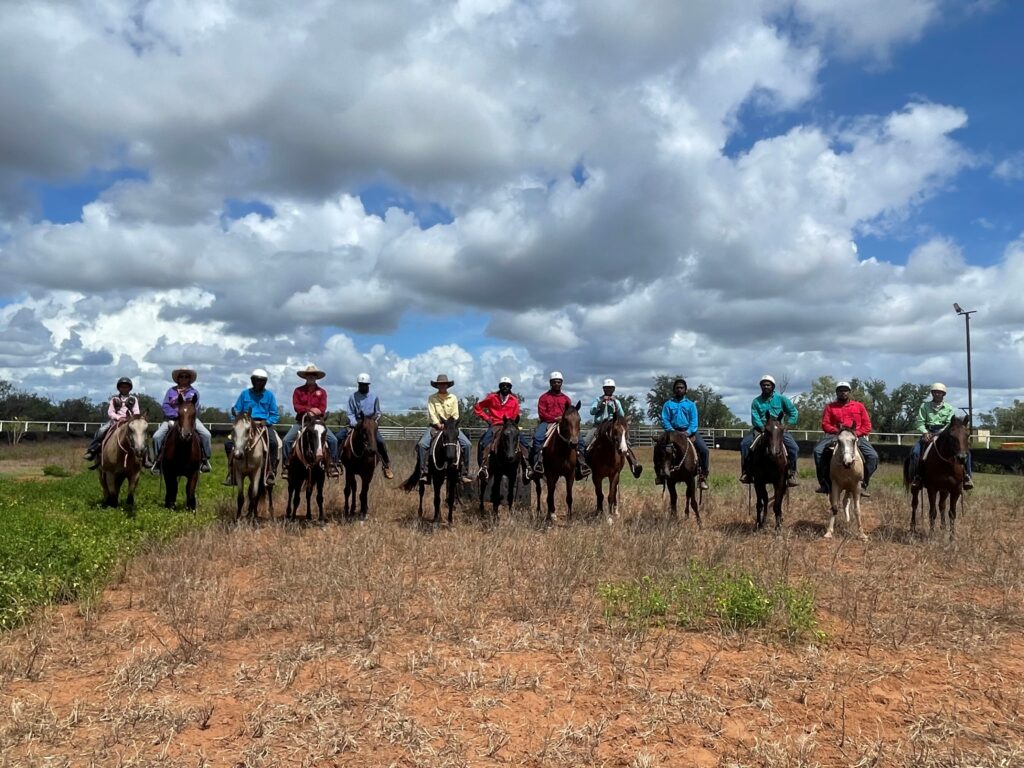
Chongy said the practical preparation is critical in helping participants understand what station work involves and what will be expected of them. This includes everything from early starts and daily routines through to working as part of a team and living remotely.
“Simple things that everybody expects them to know, they don’t know that.”
The program’s practical focus helps reduce one of the biggest causes of early turnover: the gap between what people expect and what the job actually involves.
Ongoing support is a key feature
Preparation before employment is only part of the model.
Graduates are then matched to suitable pastoral businesses with the support of the KPCA, with mentoring support continuing for up to two years.
This includes:
- placement into supportive workplaces
- a ‘Ringer’s Kit’ with essential work gear
- regular mentoring and check-ins
- support for both employees and employers.
Following placement, participants continue to receive guidance through the Academy, helping both employees and employers identify and address challenges early.
Regular mentoring helps workers build confidence, ask questions early and work through challenges before they become bigger problems. It also helps employers identify issues early and provide practical support.
Supporting staff is a management skill
Good onboarding and support for new employees depends on good management.
Many people move into leadership roles because they are strong operators, not always because they have been formally trained to manage people.
Helping new staff succeed requires different skills; clear communication, setting expectations, giving feedback and helping people work through challenges.
A range of leadership and management training opportunities are available across Northern Australia, including industry workshops, mentoring programs, online training and professional development courses.
FutureBeef’s article ‘Fostering workforce resilience through practical leadership training’ highlights one example of leadership training designed specifically for pastoral businesses and station staff.
What producers can apply on their own property
The APA model works because it focuses on what happens before and after recruitment.
The same approach can be applied on any beef business, whether employing through the program or not.
Strong retention usually comes from small, consistent actions:
- explain what station life involves before someone arrives
- provide structure, routine and accountability early
- assign one key mentor or supervisor
- make time for regular check-ins
- explain not just what to do, but why it matters
- support long-term development, not just short-term labour needs.
Many producers are already doing these things well. For others, small adjustments to induction, communication and ongoing mentoring can make a significant difference.
APA as a recruitment pathway for producers
For producers looking for staff, APA provides a pathway to workers who already understand the basics of station life and workplace expectations.
Graduates arrive with an understanding of station routines, workplace expectations and the realities of remote work, along with ongoing mentoring support through the Academy.
This reduces some of the risk often associated with taking on inexperienced staff and improves the chances of long-term retention.
Producers interested in employing graduates can contact KPCA to learn more about the program and placement opportunities.
More information
The Aboriginal Pastoral Academy Indigenous Grazing for Profit: Pathway into the pastoral industry →
Handbook on Australian beef industry position descriptions and career development guidelines →
Keeping good employees in Agriculture; what really matters? →
Fostering workforce resilience through practical leadership training →