Steak ‘n wood: demonstrating livestock productivity and environmental service benefits of trees on farm in northern systems

Steak ‘n wood: demonstrating livestock productivity and environmental service benefits of trees on farm in northern systems

Print / Save as PDF


This project aims to quantify the productivity and ecosystems services of silvopastoral systems (SPS), a dual management of livestock and trees as a pathway to became carbon neutral by 2030 (CN30).

The Steak ‘n wood project will connect the beef and forest industries across 48 million hectares of sub-tropical and tropical Queensland and northern of NSW suitable for SPS, and will examine the potential of SPS to:

  • mitigate GHG emissions
  • enhance income diversification and increased livestock productivity
  • enhance land use
  • improve animal welfare
  • improve on-farm biodiversity

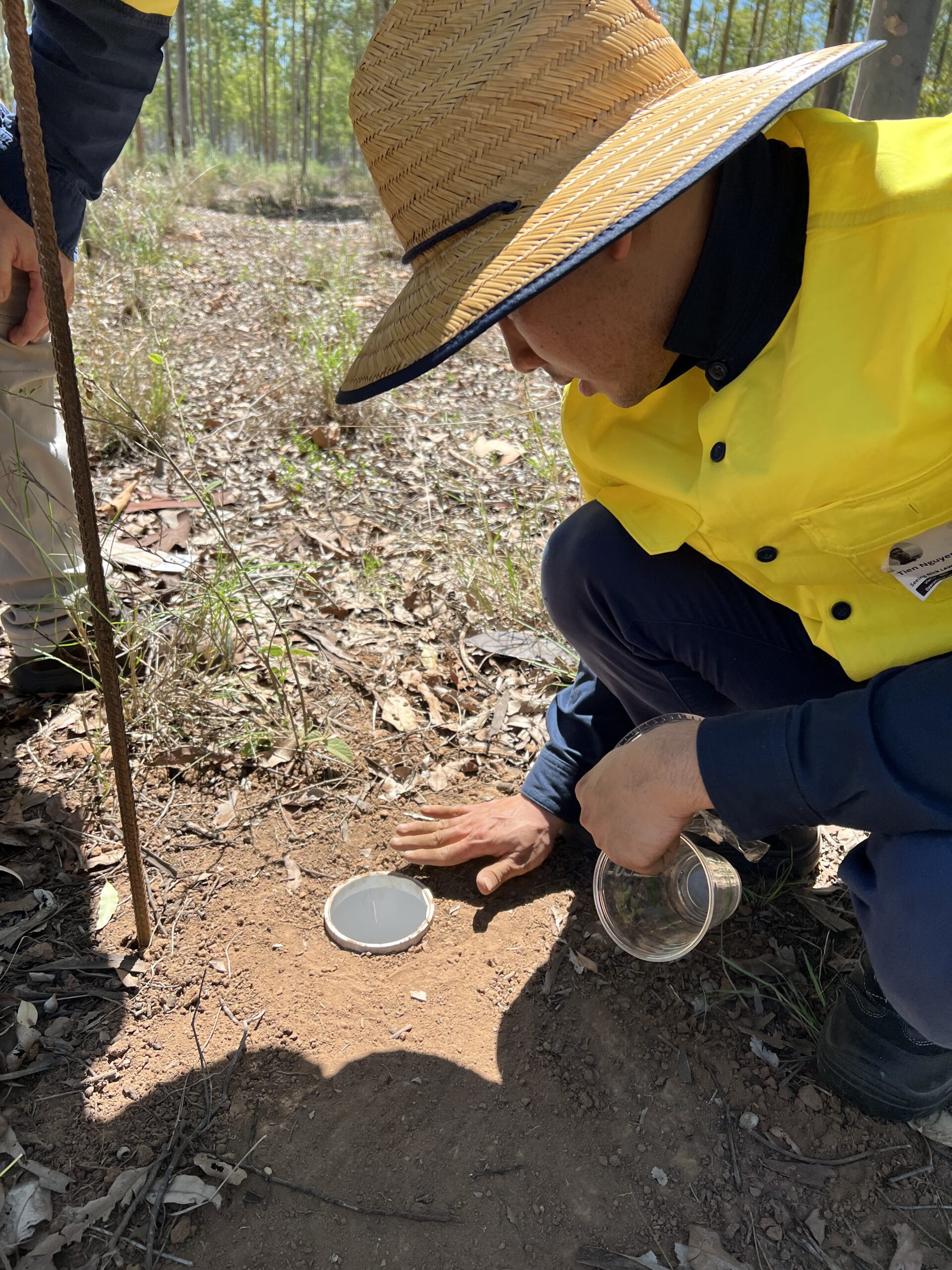
The research team will conduct on-farm studies to determine the effect of SPS on soil, pasture, livestock, timber, farm-level financial performance and natural capital in tropical and sub-tropical beef production systems.

Specific objectives of the Steak ‘n wood project

  • Determine the potential for livestock producers to manage their private native forest and/or incorporate trees on farms to sequester carbon and help the Australian red meat industry to improve the value of livestock sales and meet the CN30 aspiration.
  • Investigate appropriate options for silvopastoral system (SPS) establishment in native forest and degraded pasture.
  • Improve the existing carbon calculator tools by more accurately estimating carbon sequestered in trees.
  • Evaluate the financial and economic performance of SPS.
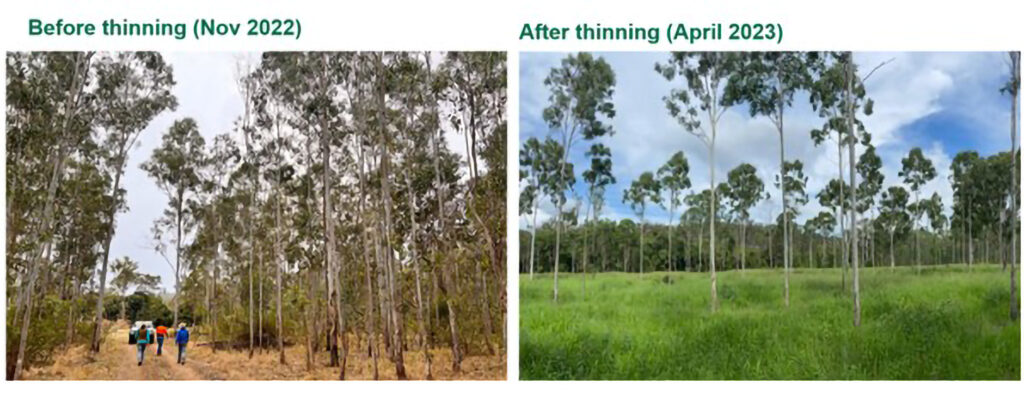
  • Evaluate SPS as potential alternative for mitigating woodland thickening issues.
  • Determine the biodiversity and environmental benefits of silvopastoral systems.

Key partners of Steak ‘n wood

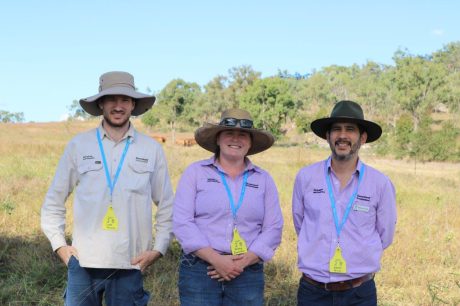
This is a 5-year project led by the Queensland Department of Agriculture and Fisheries (DAF) and co-funded by Meat and Livestock Australia (MLA) Donor Company. A strong multidisciplinary team has been assembled to deliver this project and include collaborations with The University of Queensland (UQ), University of Sunshine Coast (USC), Department of Environmental Sciences (DES), beef and timber producers and industry (red meat, forestry and energy producing industries).

Contact

For more information about Steak ‘n wood, contact Senior Research Scientist, Nahuel Pachas on 07 5459 3731.
The Steak ‘n Wood project aims to quantify the productivity of beef enterprises and ecosystem services of Silvopastoral Systems (SPS) and explore the opportunities for SPS as a pathway to becoming carbon neutral by 2030 (CN30). It is a 5-year project led by the Queensland Department of Agriculture and Fisheries (DAF) and co-funded by Meat and Livestock Australia (MLA) Donor Company.

A strong multidisciplinary team has been assembled to deliver this project and include collaborations with The University of Queensland (UQ), University of Sunshine Coast (UniSC), Department of Environmental Sciences (DES),  beef and timber producers and industry (red meat, forestry and energy producing industries).

Below is a slideshow of images from multiple locations.  To shuffle the images please use the small arrows underneath.

What is a Silvopastoral System?
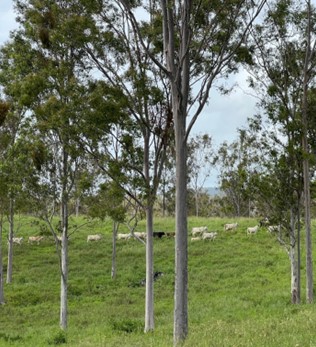
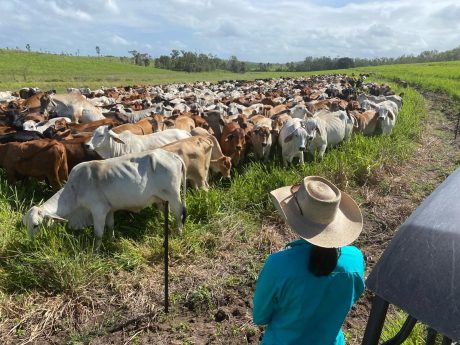
Silvopastoral systems (SPS) involve the combined management of trees, forage, and livestock on the same unit of land in an integrated and mutually beneficial way. It incorporates various production practises such as alley cropping, windbreaks and shelterbelts, scattered trees in pastures, intensive management of livestock, and rotational grazing.

Implementation of these production systems have numerous benefits such as improved water quality, soil conservation, carbon sequestration, and wildlife habitat conservation. They can improve the resilience of farms to climate change through income diversification, ameliorate the annual cash flow problems inherent in timber growing and increase farm incomes in the medium and long-term.
Silvopastoral systems can be established in native forest or with hardwood and softwood timber species:

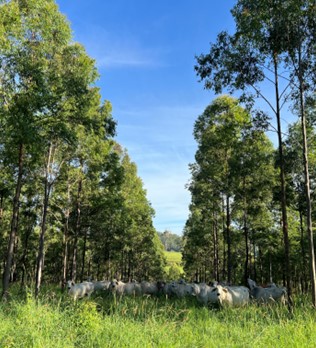
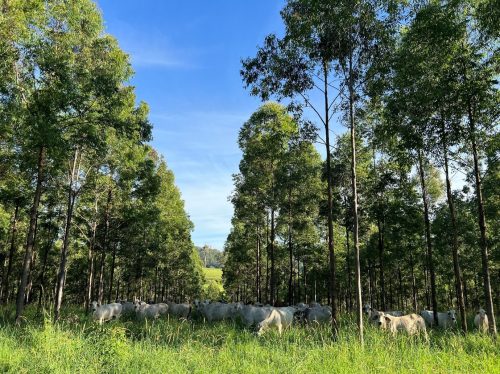
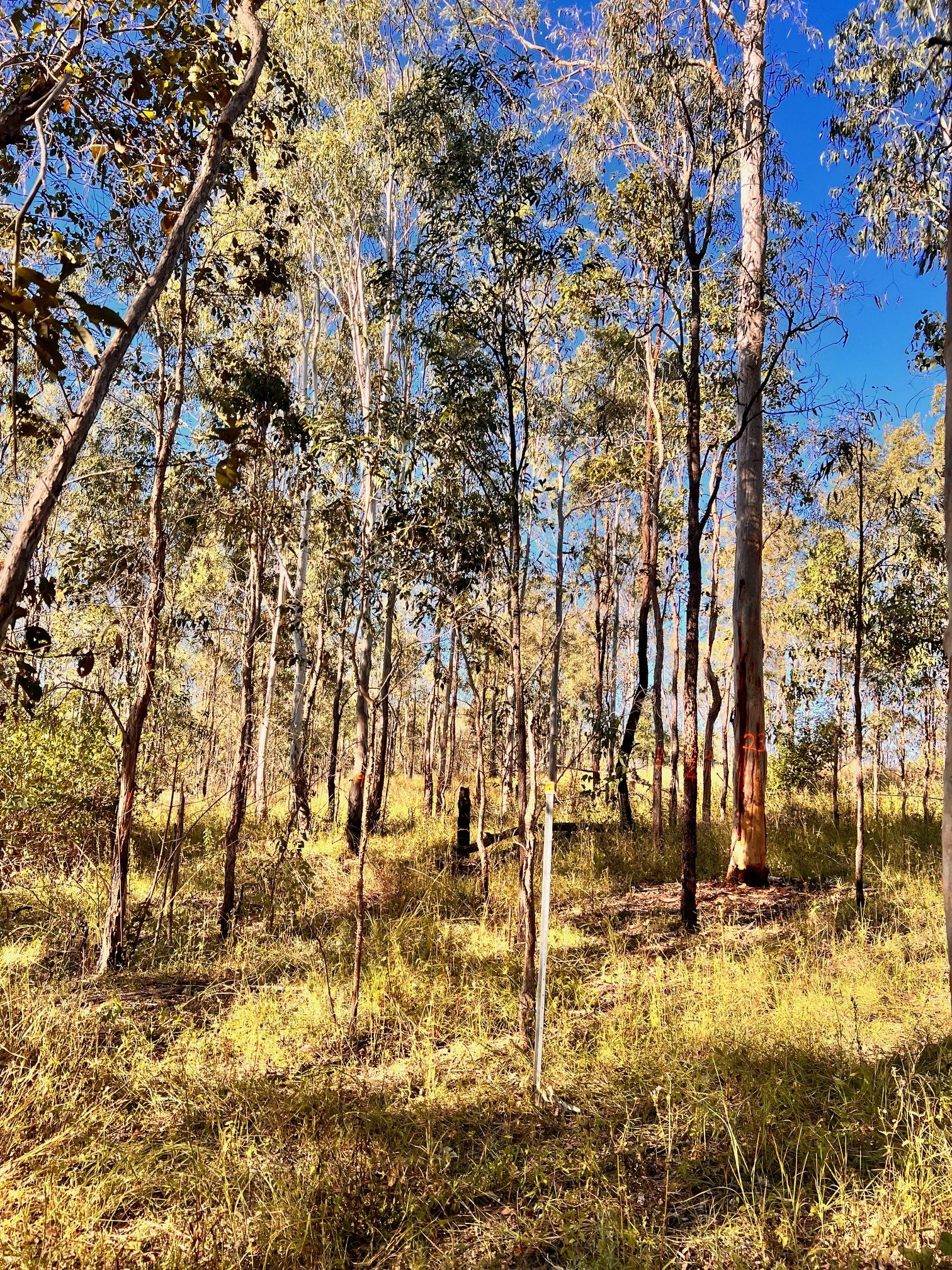
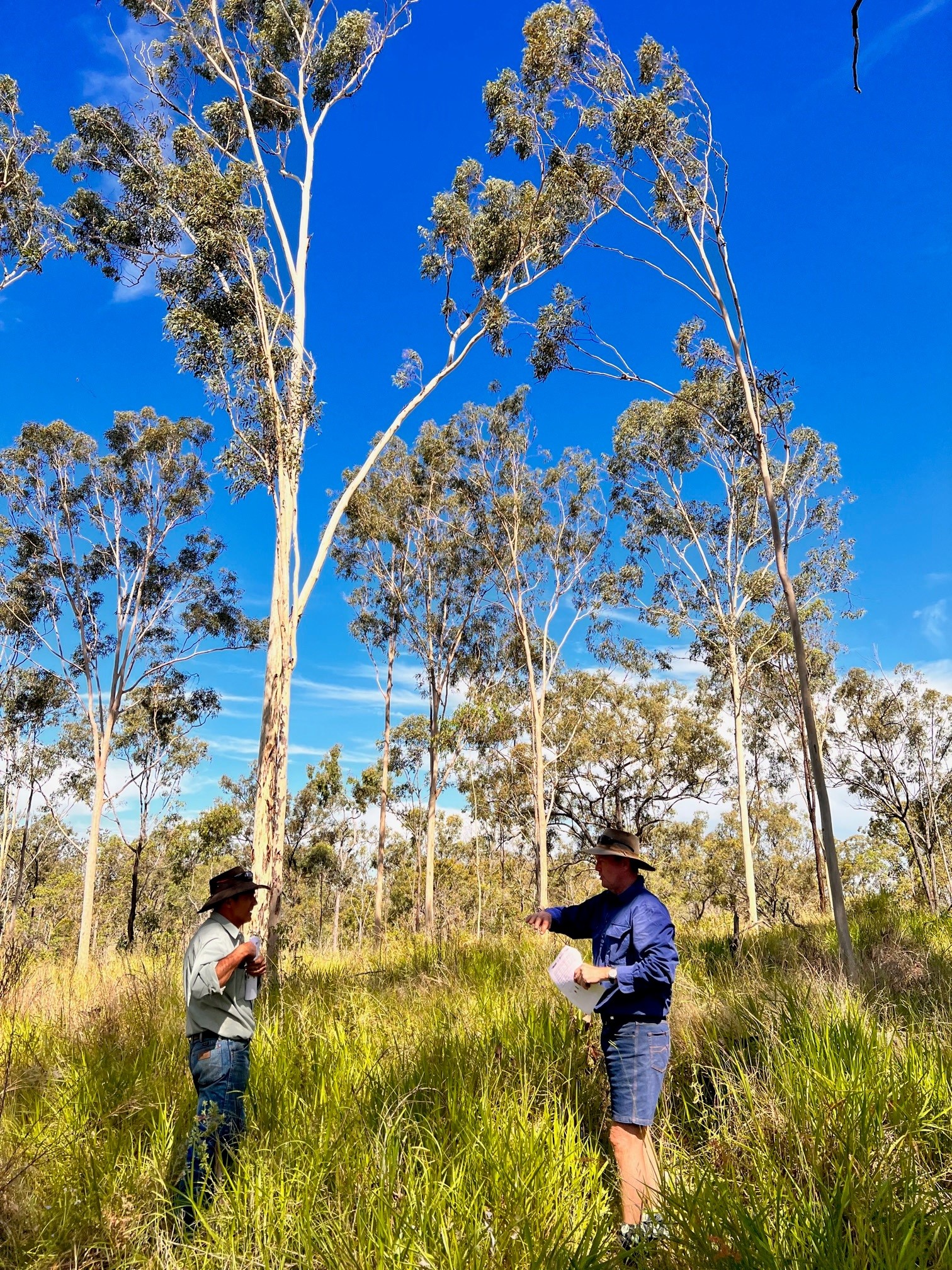
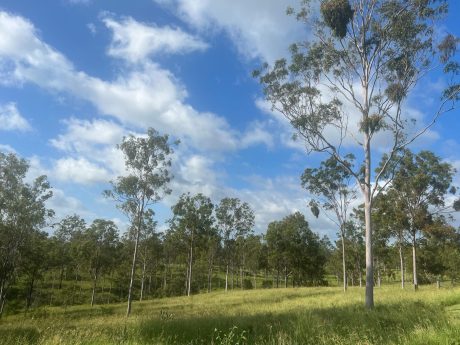
Spotted Gum private native forest in Wonbah, QLD

Photo: Nahuel Pachas

Mixed Hardwood species system in Sextonville, NSW

SPS with 12 alley planting configuration at Super Forest Plantation.  Photo: Nahuel Pachas

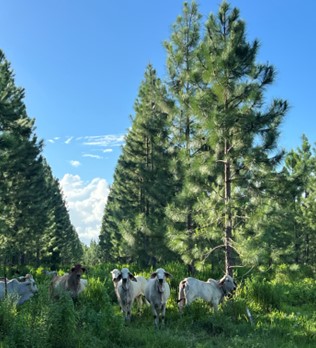
Caribbean Pine system at Cardwell, QLD

A silvopastoral system with commercial Caribbean pine in 10m alley configuration. Photo: Nahuel Pachas


Project geography

This project will provide data and advice to the beef and forestry industries across the 48 million hectares (ha) of sub-tropical and tropical Queensland and northern New South Wales suitable for the development of silvopastoral systems, and how to integrate commercial trees on farm without affecting livestock productivity.

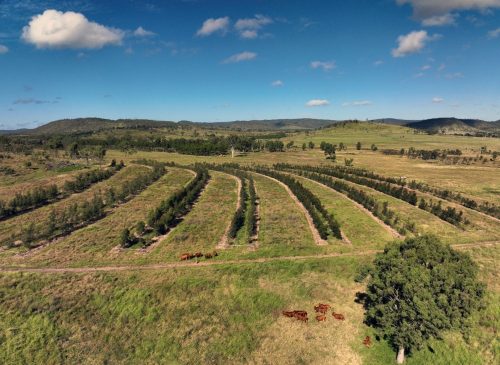
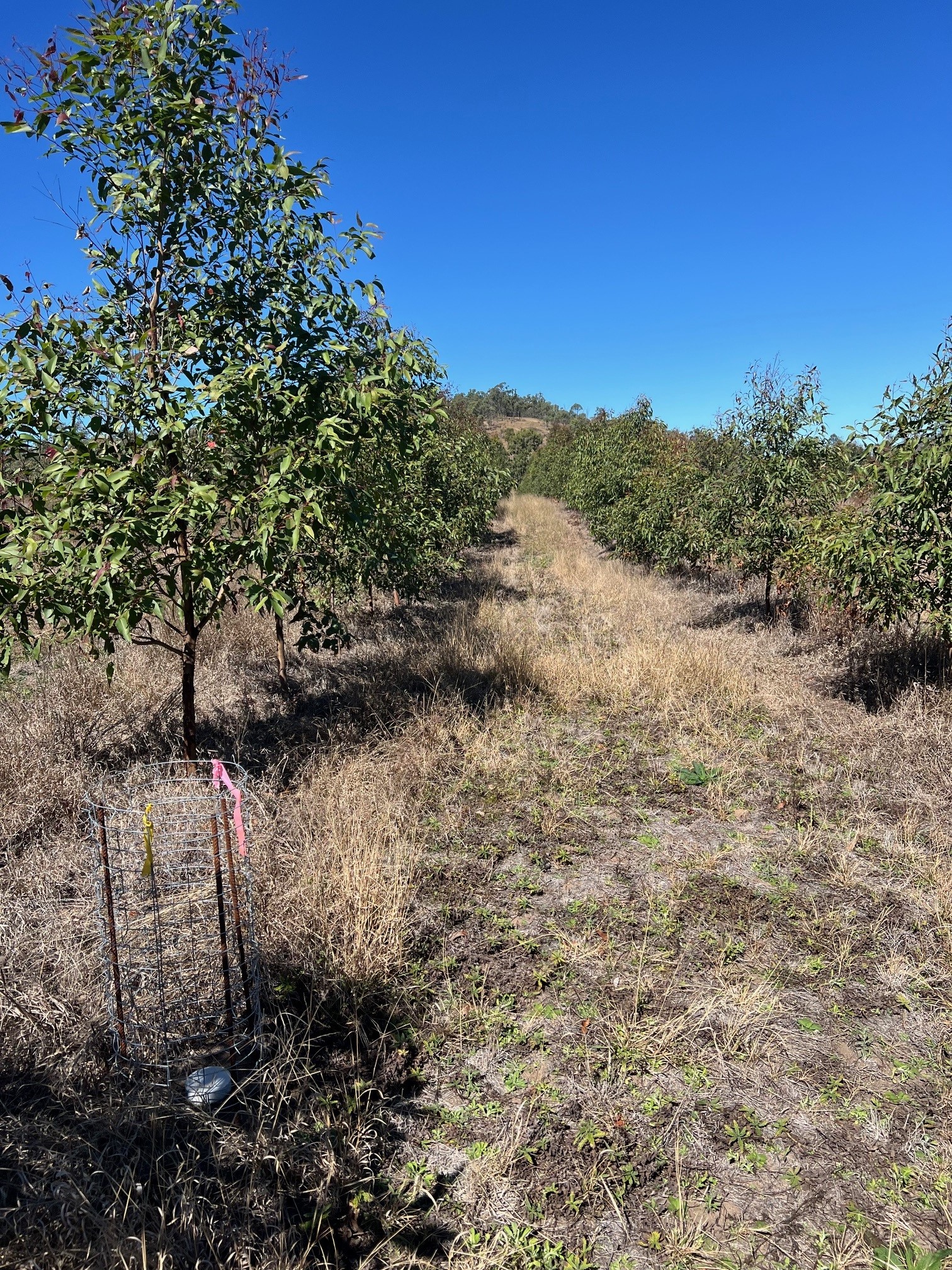
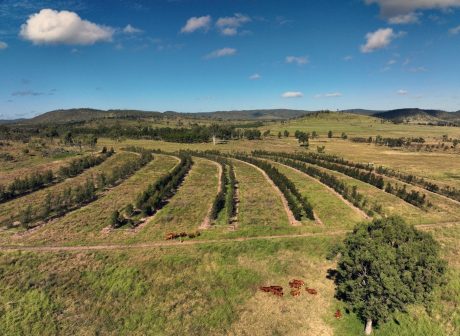
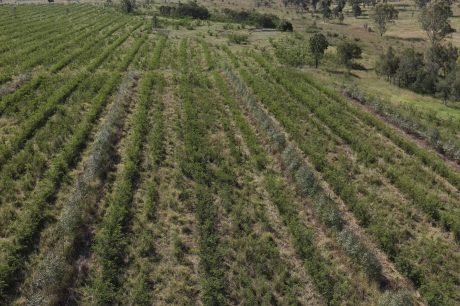
Currently a series of silvopastoral systems experiments have been established across 14 sites, covering a total of 900 ha. This consists of 818 ha of private native forest across seven sites and seven sites of hardwood plantations across 67 ha. The plantations cover a wide age range, including 29 ha (~12,000 seedlings) of newly established SPS, where trees are planted in double rows in between 15-20 metre pasture alleys.

CLICK HERE to view the location of SPS experiments throughout QLD and NSW.

Brian Pastures, Gayndah

Spotted gum in alley configuration with comparison open pasture paddock. Photo: Nahuel Pachas

Boreelum, Miriam Vale QLD

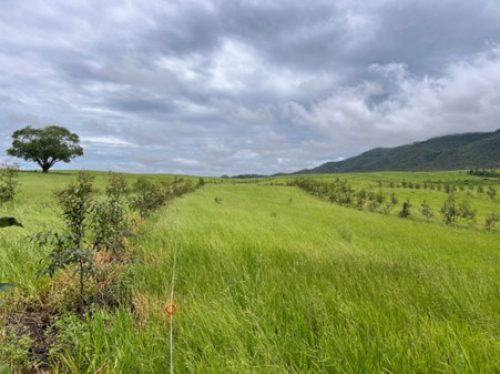
Spotted gum in alley configuration with improved pastures. Photo: Adam & Jacinta Coffey

Spotted gum planted in alley configuration, 2 years of age. Grazing managed with use of electric fences. Photo: Nahuel Pachas

Dunrobin- Super Forest Plantations, Sextonville NSW

Commercial timber plantation with mixed hardwood species (7 years of age) with 12m alleys. Photo: Nahuel Pachas

Stanwell Energy Corporation, Stanwell QLD

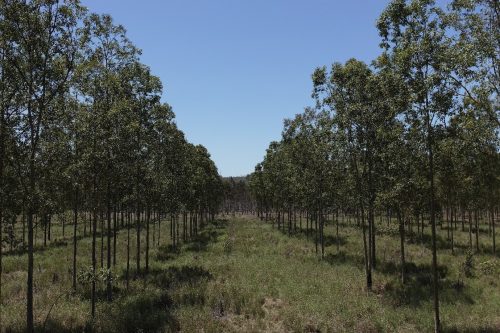
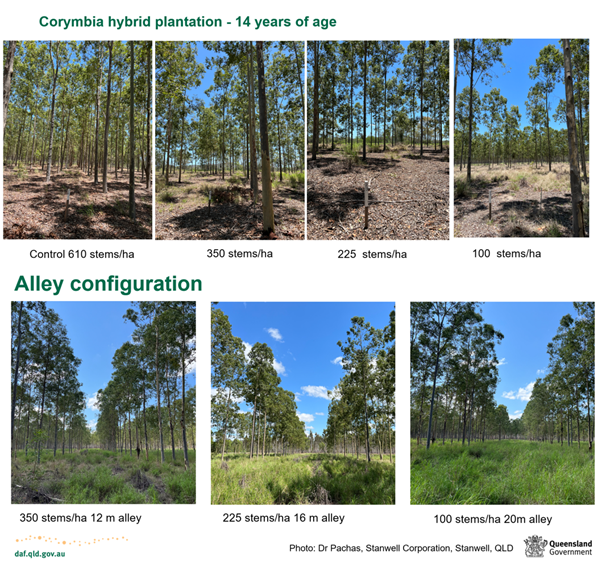
Commercial timber plantation (14 years of age) double tree rows with a 20 m alley. Photo: Nahuel Pachas


Project Objectives

  • Determine the potential for livestock producers to manage their private native forests and/or incorporate commercial trees on farms to sequester carbon and meet the CN30 goal, as well as help the Australian red meat industry improve the value of livestock sales.
  • Investigate appropriate options for SPS establishment in native forests and integrating commercial trees on farm.
  • Improve the existing carbon calculator tools by more accurately estimating carbon sequestered in trees.
  • Evaluate the financial and economic performance of SPS.
  • Assess SPS as potential alternatives for sequestering carbon and mitigating greenhouse gas emissions.
  • Determine the co-benefits SPS can deliver, such as improved animal welfare and increased livestock productivity, enhanced land use and income diversification, and improved on-farm biodiversity.

Financial and economic performance

Both silvopastoral systems in private native forest and commercial plantations are being evaluated for financial performance in the Steak ‘n Wood project. This evaluation is being conducted in conjunction with Dr Tyron Venn from The University of Queensland.

 
For more information about the Steak ‘n Wood project, please contact:

Senior Research Scientist and Project leader Dr Nahuel Pachas

nahuel.pachas@daf.qld.gov.au


Share this resource via

Email
Facebook
LinkedIn
Key details

Date published:

April 11, 2023

Date reviewed:

July 21, 2025

Type:

FutureBeef eBulletin – Subscribe
FutureBeef logo

Subscribe to the FutureBeef eBulletin

Fields marked * are required.

Please confirm your subscription.

Thank you for signing up to start receiving the FutureBeef eBulletin at the email address you provided, please follow the instructions in the confirmation email to subscribe.

Regions of interest

Choose as many as you like.

We value your privacy and will never sell your details.