Legumes as insurance against productivity losses from Pasture Dieback
Recognising untapped potential
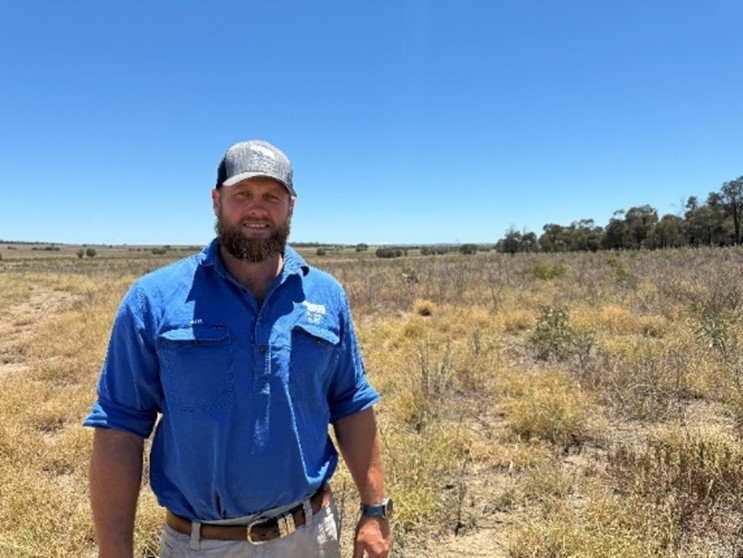
Across the Roma district, most buffel pastures were established 40–50 years ago following brigalow clearing.
Since then, there has been limited redevelopment, and a gradual but obvious decline in productivity has occurred due to nitrogen tie up and pasture run-down.
Realising the value of lost production from the pasture base, John has embarked on a strategic redevelopment program across their properties to return the run-down pastures to their full productive potential.
The ongoing pasture re-development program is centred on improving run-down buffel country with tropical grasses supported by a perennial tropical legume. The goal was clear: increase stock days per hectare by 30% while maintaining land condition.
Good insurance against pasture dieback
Pasture dieback became clearly visible in early 2024, following a good wet season at the end of 2023. In some paddocks, the Gayndah buffel collapsed rapidly. As grass competition declined, the desmanthus thrived, filling gaps left by the dying buffel.
“The buffel looked sick, but I’d never seen desmanthus like it. The volume was mind-blowing” said John.
Productivity improvement
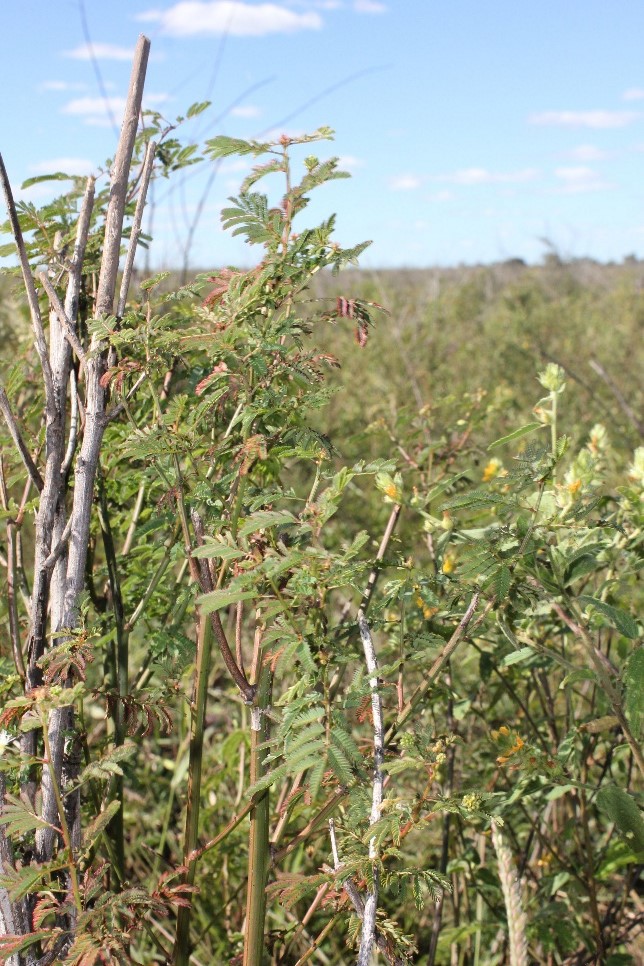
In paddocks where legumes were present, carrying capacity was maintained and stock days per hectare matched or exceeded the average.
“When the grasses get weaker, the legume gets stronger, and you can still run the same or more stock days per hectare” John observed.
Perennial pasture legumes are well known for their ability to increase carrying capacity and animal performance and assist in improving land condition. In this case, with the increasing spread of pasture dieback, a new benefit of pasture legumes has been identified and used to advantage.
Including perennial legumes in the pasture re-development program unknowingly safeguarded this business against the productivity loss caused by pasture dieback, highlighting legumes as a critical resilience tool in the grazing system.
Why legumes mattered when pasture dieback hit
What was done: Run-down buffel country was redeveloped and sown with a perennial tropical pasture legume (Progardes desmanthus).
What happened: When buffel grass collapsed due to pasture dieback, the desmanthus population rapidly expanded to maintain productivity.
The outcome: Stock days per hectare from this paddock were maintained or exceeded the average, whilst other paddocks without legumes experienced major productivity decline.
Legumes didn’t just lift productivity; they acted as insurance against productivity losses from pasture dieback.
Written by Ted Callanan and Vanessa Macdonald from Toowoomba DPI, as part of the Queensland Pasture Resilience Program which is a partnership between the Department of Primary Industries, Meat & Livestock Australia and the Australian Government through the MLA Donor Company.