eBulletin March 2026
In this edition of the FutureBeef eBulletin you’ll find:
- how to establish stylos and other legumes in northern Australia
- firsthand experience of producers tackling pasture dieback
- an agistment calculator
- how to use decision dates in grazing
- keeping pastures ‘rain ready’ with a soil first approach
- Calf Alive project update
- NT Brahman Selection Workshop
- Douglas Daly Research Farm field day
- increased risk of Praxelis in the Kimberley
- Qld Industry Recovery and Resilience Officers
- Environmental, Social and Governance (ESG) reporting fact sheet
- positions open
- Nuffield Scholarship 2027.
Happy reading!
Kind regards
Felicity and Jodie
on behalf of the FutureBeef team
P.S. Let us know what you think of the FutureBeef eBulletin via email or call us on 13 25 23. You can also connect with us on Facebook, X and LinkedIn, or check us out on YouTube.
Over-sowing stylos and other legumes in northern Australia – Part 2: Establishment
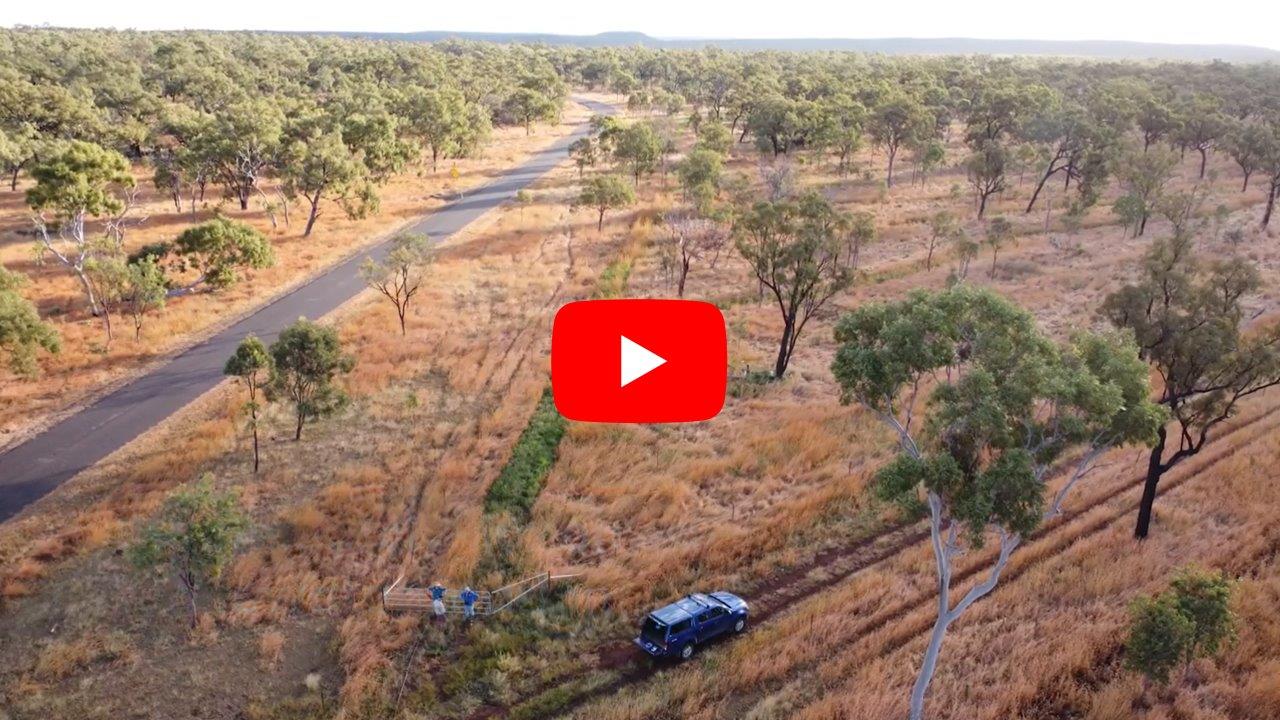 Feedbase scientists in Western Australia are working with their northern Queensland counterparts to further research into over-sowing legumes. In this second video, pasture scientists Kendrick Cox and Craig Lemin (DPI Queensland), together with pastoralist Kelvin Bethel from Georgetown and senior agronomist Stan Paynter (Selected Seeds) explain how to establish stylo and other legumes into native pastures.
Watch the video (6 minutes) >>
You’re not alone – one family’s pasture dieback journey
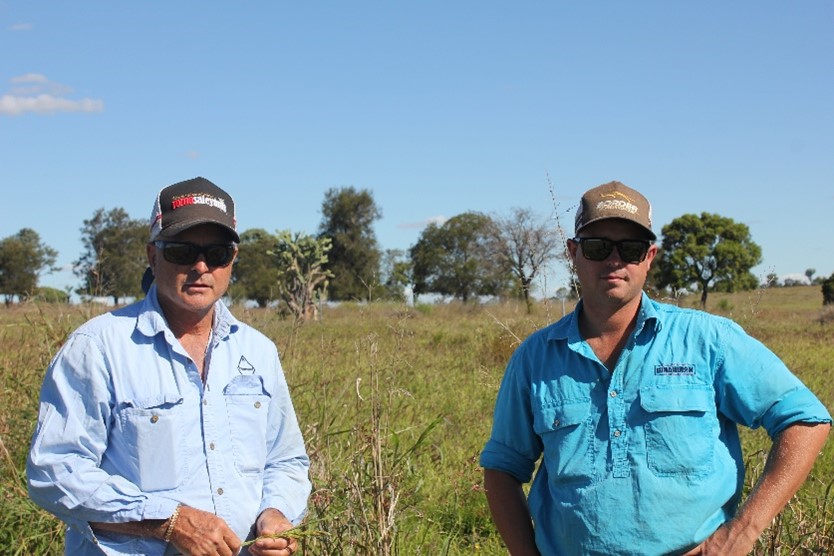 There are a few different ways to tackle pasture dieback, and it’s safe to say the Close family have tried most of them. Joined by Cyril and Cody Close, who share their firsthand experience with dieback on their Roma property, and Ted Callanan from DPI Queensland, the discussion explores the rapid impact of dieback and the practical treatments being used to restore affected paddocks.
Hear it all in our latest podcast episode >>
Tool of the month – Agistment calculator
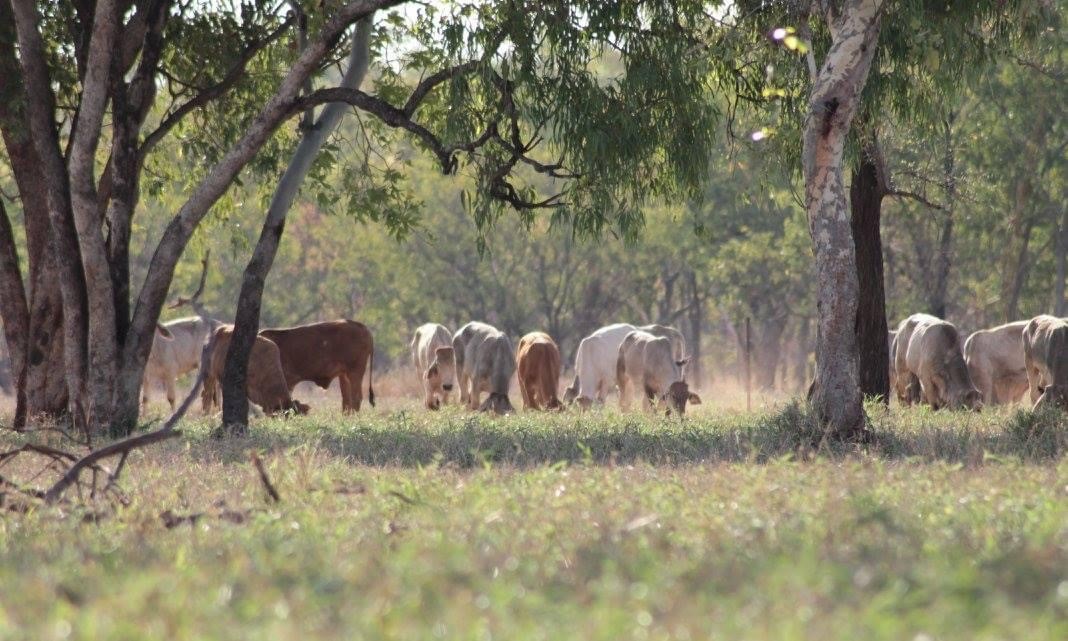 This agistment calculator was created to help estimate the cost and returns of sending stock away on agistment, either on a one-way trip or to return home. It was developed by Roger Sneath, Senior Extension Officer (DPI Queensland) with a beef producer during a workshop in Bollon. They were discussing whole-of-farm economics, and we thought that perhaps other people might find it useful as well.
Read more and download a copy of the calculator >>
How to use decision dates in grazing
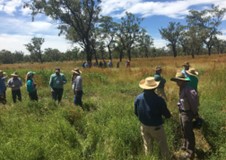
Imagine having a plan for when you will make objective stocking rate and grazing decisions at strategic dates in the year ahead?
You could forward plan stock movements, forecast forage shortfalls, buy any additional feeds in advance at a better price, and much more.
Set yourself up for success using decision dates >>
Keeping pastures ‘rain ready’ with a soil first approach
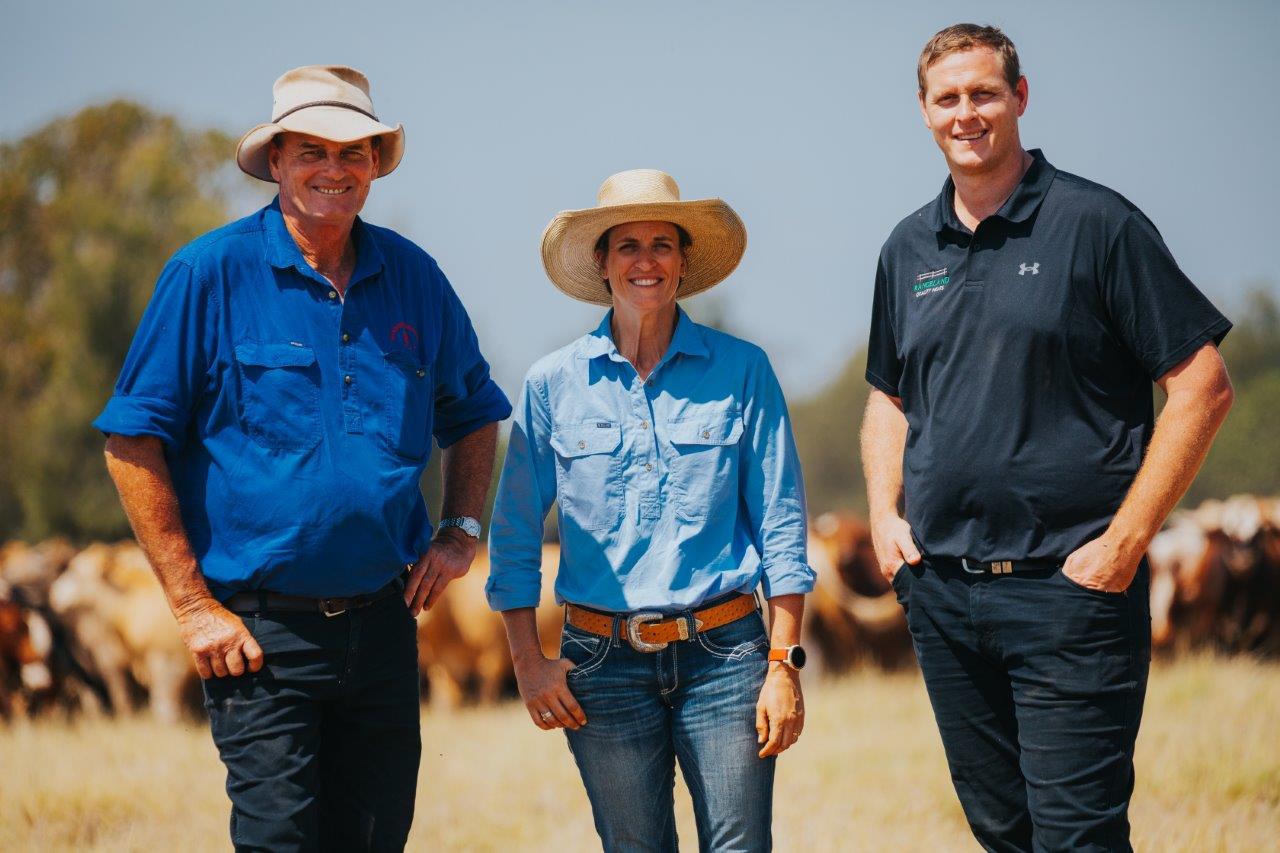 The Hughes family has been on a journey to restore the health of their grazing land for the past 16 years. Introducing rest through rotational grazing, measuring ground cover and implementing techniques to hydrate soils and cycle nutrients are just some of the tools they use to manage grazing.
Read what and how they’re doing it >>
Calf Alive project update
Supplementing breeders with small amounts of a high-protein feed for 6 weeks in late gestation has consistently shown to improve reconception rates by around 10% across multiple years.
NT Brahman Selection Workshop
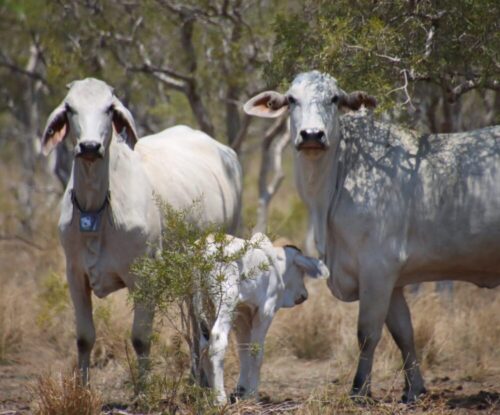
The NT branch of ABBA invites you to join their Brahman Selection Workshop on Monday 13 April at Katherine Research Station. Topics include in-depth aspects of breeding and selecting for herd improvement, productivity and longevity. Plus, interpreting and understanding EBVs.
Get the details and RSVP today >>
Douglas Daly Research Farm field day
The Douglas Daly Research Farm field day is on Tuesday 14 April. You’ll be able to get the latest on low-methane cattle and feedbase research, Repronomics, virtual fencing, crops for cattle and feeding cottonseed, buffalo fly management and cropping projects. Catch up with researchers, service providers and industry representatives.
Wet season increases risk of spreading Kimberley declared weed
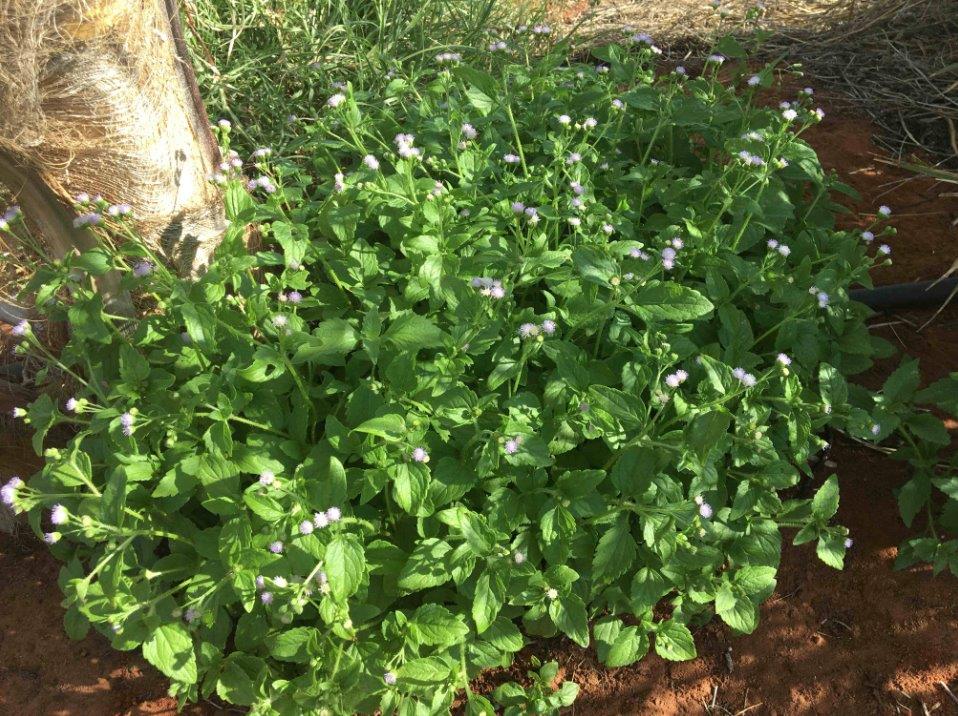 Kimberley residents are urged to be alert for the highly invasive weed Praxelis (Praxelis clematidea) now the wet season has set in. The declared weed, native to South America, is under an eradication program at 12 Mile, on the outskirts of Broome, while small infestations have also been detected on the northern edge of Kununurra. If not controlled, Praxelis could invade crops, grasslands and conservation areas, impacting agricultural production and the environment.
Here’s what to look for and more information >>
Qld IRROs available to help
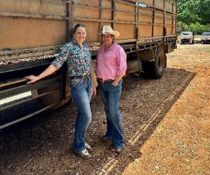 Recovery assistance is available to Queensland primary producers through the Industry Recovery and Resilience Officer (IRRO) program. This program provides specialised medium and long-term support.
Find out how IRROs can help >>
Emerging market access requirements – why cattle producers need to know about ESG
Environmental, Social and Governance reporting is emerging in beef supply chains around the world to manage corporate risks. DPI Queensland has worked with beef industry stakeholders to develop a fact sheet about the drivers of ESG reporting in beef supply chains in Queensland.
Sustainability reporting explained >>
Positions open
Do you have a passion for the extensive livestock systems of southwest, southeast or southern inland Queensland? Does contributing to the profitability, productivity and environmental sustainability of our industries pique your interest? Would you like to join a supportive team that offers professional development opportunities that will further your career in the future?
We invite you to apply for the Extension Officer (Extensive Livestock Systems) (P02), Roma >>
Throw your hat in the ring for the Extension Officer (Beef) (PO3), southeast or southern inland >>
Perhaps taking a leading role in influential projects sounds more suitable to your level of experience and expertise…
Bite the bullet and apply for Senior Extension Officer (Beef) (P04), Rockhampton >>
Nuffield scholarships open – apply now!
Have you got your application in? Nuffield Scholarships are open to people who:
- make a living from agriculture, either as a primary producer or working in the industry
- typically between 28-45 years of age, but exceptional candidates outside that age range will be considered
- seeking to develop capacity and experience through travel and exploration
- a citizen or permanent resident of Australia.
Here are the details and how to apply >>